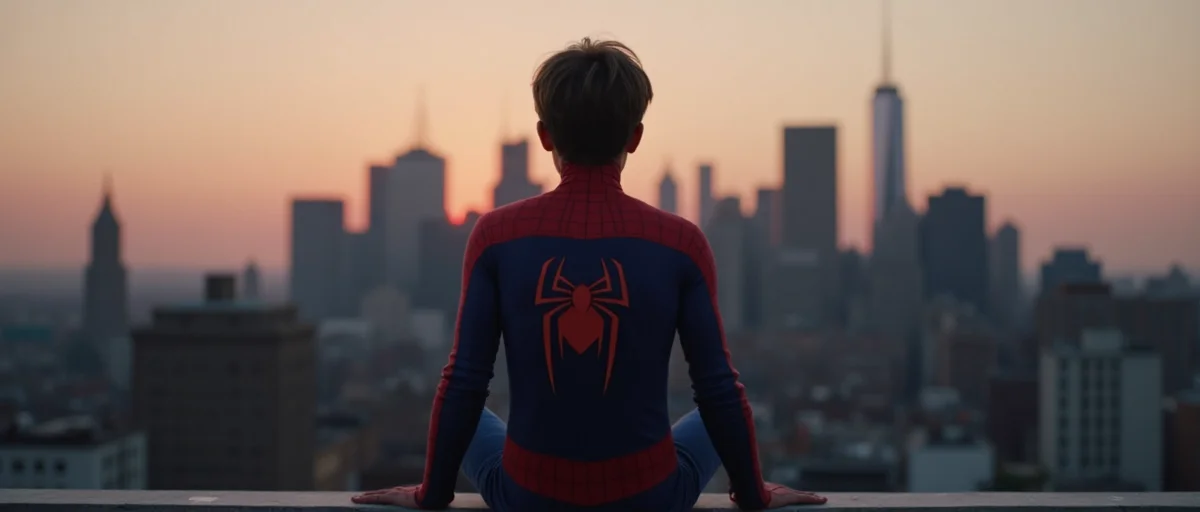
As Sam Raimi's Spider-Man trilogy leaves Netflix, fans are rediscovering why these superhero films, grounded in Peter Parker's humanity, still matter deeply.
Sam Raimi’s Spider-Man trilogy is leaving Netflix, and the timing couldn’t be more fitting. These are the films that turned Spider-Man into a pop-culture juggernaut. They are departing just as a new on-screen era begins with ‘Spider-Man: Brand New Day.’ For casual fans, the news sparks a familiar urge to rewatch before time runs out. For technology professionals, their disappearance is an object lesson in streaming economics, digital ownership, and why classic stories retain value long after their original release.
The Raimi trilogy helped define the modern superhero era. Its combination of grounded emotion and spectacle created a template still visible in today’s blockbusters. Now, as the films leave Netflix, they invite a re-evaluation of what the genre gained, and lost, in the years since. The departure also raises practical questions about access in a world where streaming libraries change by the week.
The box office numbers still impress. The trilogy earned a combined $2.5 billion worldwide during its original theatrical run, according to Box Office Mojo. ‘Spider-Man’ (2002) opened the franchise with $821.7 million globally. ‘Spider-Man 2’ (2004) followed with $788.6 million, while ‘Spider-Man 3’ (2007) closed with $890.9 million.
Those figures helped establish the superhero blockbuster as a reliable Hollywood engine. But the trilogy’s influence runs deeper than ticket sales. ‘Spider-Man 2’ still sits at 93% on Rotten Tomatoes. The film’s blend of personal stakes and set-piece action remains a benchmark for the genre.
Raimi’s films also changed how studios approached superhero casting. Tobey Maguire brought a vulnerability that made Peter Parker feel like an outsider, not just a wisecracking hero. The tone balanced comic-book energy with genuine pathos. That balance proved difficult for later installments to replicate.
In the years since, many superhero films have leaned into larger crossovers and escalating threats. That approach has produced massive hits, but it has also made smaller, character-driven stories harder to find. Raimi’s trilogy remains a reminder that bigger is not always better.
Raimi’s trilogy never loses sight of the person behind the mask. Peter Parker faces rent problems, relationship doubts, and the guilt of using his gifts carelessly. That emotional core is what makes the superheroics feel earned.
Stan Lee and Steve Ditko wrote in Amazing Fantasy #15: “With great power there must also come great responsibility.” Raimi treats these words as a dramatic engine, not a placard. Every major decision in the trilogy tests Peter’s understanding of that principle.
Villains in the trilogy reflect Peter’s own temptations:
Each conflict is personal. Each victory has a cost. For audiences, this makes the spectacle meaningful.
The trilogy also shows Peter’s ordinary life in concrete detail. He misses classes, loses jobs, and disappoints the people he loves. These struggles are not distractions from the action. They are the reason the action matters.
Modern superhero films often move so quickly that they skip these human anchors. When a hero is always preparing for the next inter-dimensional threat, the stakes can become abstract. Raimi’s Spider-Man keeps the focus on a young man learning to live with his choices. That remains as relevant in 2026 as it was in 2002.
The trilogy’s exit from Netflix is a symptom of streaming catalog churn. Licensed content moves between platforms as agreements expire. That churn has accelerated over the last five years, leaving fans uncertain where to find old favorites.
This creates a practical problem for viewers and a strategic one for platforms. Without ownership, access is temporary. Physical media or direct digital purchases remain the most reliable way to preserve access to classic films.
For technology professionals, the lesson is straightforward: treat catalogs as cultural infrastructure, not interchangeable inventory. A service that loses a beloved title without warning may lose long-term trust.
Streaming services have made classic films more accessible than ever, but also less permanent. Consumers once bought DVDs and knew their collection would remain. Today, a film can vanish overnight due to a licensing change.
The Raimi trilogy is a perfect example. It has moved among services over the years, and each move suddenly makes a once-available film harder to locate. This is a user-experience problem, not just a legal one.
Platforms can mitigate the damage by providing clear expiration dates, gentle reminders, and easy paths to purchase or rental. When those features are missing, users feel powerless. When they are present, a departure can become an opportunity to deepen engagement.
The timing of the departure highlights a larger pattern. Since Spider-Man: No Way Home (2021), audiences have shown rising interest in pre-MCU superhero films. That film brought Tobey Maguire’s Spider-Man back to the screen and made nostalgia explicit.
Meanwhile, superhero fatigue discourse has grown steadily from 2023 through 2026. Viewers are tired of sprawling continuities and high-stakes crossovers. Raimi’s trilogy, by contrast, offers contained, human-scale storytelling.
The genre is cyclical. Studios chase reboots, audiences tire of uniform spectacle, then nostalgia for older versions grows. Streaming platforms are now the arena where these cycles play out.
‘Spider-Man: Brand New Day’ continues the cycle by introducing a new take on the character. Its arrival, paired with the Raimi films’ departure, creates a moment of reflection. Audiences compare the old and new, and often the old wins on emotional terms.
This is not simply backward-looking sentiment. Nostalgia can be a powerful signal for what audiences want next. The success of No Way Home proved that older characters and storylines still resonate. Studios that ignore that signal risk losing the emotional connection that makes superhero stories meaningful.
The trilogy’s departure is not just a complaint about content libraries. It is a case study for product leaders.
Actionable takeaways:
Platforms that master these moves can turn churn from a threat into an engagement opportunity. A simple “Leaving Soon” prompt, paired with a rich recommendation, can create meaningful final viewing moments.
Content executives should also think about lifecycle management. Titles like the Raimi trilogy are cultural assets. Their value can rise when a new sequel or reboot arrives, creating a natural moment to feature them.
The best systems will use data and sentiment to anticipate those moments. When a film is about to leave, the platform can offer context, recommendations, or a direct way to own it. This changes the experience from passive loss to active choice.
For audiences, the broader takeaway is to embrace ownership where it matters. Digital storefronts often offer permanent purchases, and physical media remains a reliable backup. Renting from a streaming platform is not the same as owning.
Sam Raimi’s Spider-Man trilogy is leaving Netflix, but its relevance will not fade. The films’ focus on responsibility, sacrifice, and everyday struggle still resonates with audiences seeking substance. Their box office record and critical acclaim confirm that emotional truth is the real franchise asset.
For fans, the departure is a signal to buy or rent these films while they remain accessible. For industry professionals, it is a reminder that streaming access is fragile, nostalgia is powerful, and classic stories remain a valuable part of the digital landscape.
The next time a beloved title disappears from your queue, ask what it reveals about how content is valued. If the people behind the platform treat it as a commodity, they will lose something deeper than a licensing fee. They will lose trust, and in a market built on subscriptions, trust may be the hardest currency to replace.
The trilogy is relevant because it focuses on Peter Parker's humanity and personal struggles rather than relying only on spectacle. This character-driven approach offers a contrast to modern superhero films that often emphasize large-scale crossovers and escalating threats. Its influence can still be seen in today's blockbusters, and films like Spider-Man 2 remain benchmarks for balancing emotion with action.
Spider-Man (2002) earned $821.7 million globally, Spider-Man 2 (2004) earned $788.6 million, and Spider-Man 3 (2007) earned $890.9 million. Together, the trilogy grossed approximately $2.5 billion worldwide during its original theatrical run.
The Raimi trilogy is more grounded in Peter Parker's everyday life, relationships, and moral dilemmas, while many modern superhero films lean into interconnected universes and high-stakes crossover events. This difference means the trilogy feels more intimate and character-focused. It also serves as a reminder that bigger budgets and larger threats don't automatically make a better superhero story.
The departure illustrates how streaming libraries are constantly changing due to licensing agreements and rotating content deals. Even popular titles like the Raimi Spider-Man films are not guaranteed to stay on one platform forever. This makes digital ownership and physical media more valuable for fans who want permanent access to their favorite movies.
Fans may need to check other streaming services, digital storefronts, or physical media because availability varies by region and licensing. As the article notes, the films are leaving Netflix just as a new on-screen era begins, so platforms may shift over time. Renting or purchasing digitally from services like Amazon, Apple, or Vudu, or buying the Blu-ray, are reliable alternatives.