Noah Blau turns errands into cinema in his cult-hit series. Discover why mundane, low-stakes content is reshaping digital media and what creators can learn.
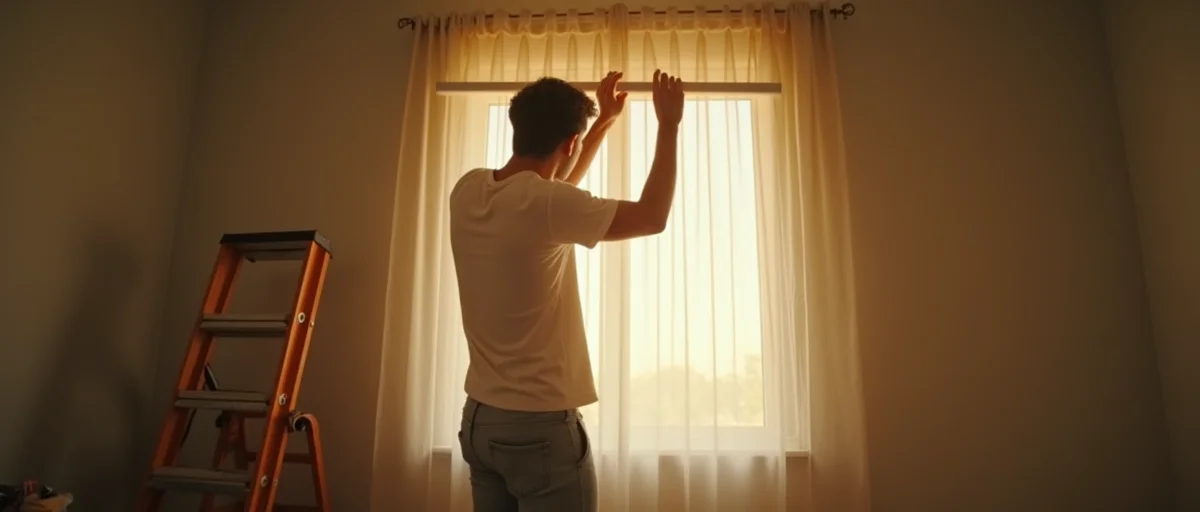
Noah Blau films errands like hanging a curtain, fighting a traffic ticket, or installing an air-conditioner—and turns them into absorbing, cinematic scenes. His cult-hit online series proves that the most ordinary tasks can command attention when framed with care. For viewers tired of high-drama feeds, this is a refreshing alternative.
For years, internet video chased adrenaline. Pranks, challenges, and outrage cycles dominated recommendations. But a quieter counter-movement has grown: audiences are seeking content that feels intentional, calm, and close to real life.
Noah Blau’s series fits squarely in this trend. In 2026, The New York Times highlighted his work with this summary: “Fighting a traffic ticket. Hanging a curtain. Installing an air-conditioner. With his cult-hit online series, Noah Blau has made the mundane fascinating.”
The show has developed a devoted following without relying on the usual viral machinery. No official viewership or subscriber counts were cited in the profile. Instead, the series is described as a “cult-hit.” That description matters. It signals a segment of viewers who return for consistency, craft, and emotional resonance—not for spectacle.
Why do viewers stop scrolling for a curtain rod? Partly because there is no doomsday. The emotional stakes are manageable. A missing screw is not a crisis; it is a setback. That distinction gives the viewer room to breathe.
This appetite is part of a broader cultural trend. Recent years have seen rising interest in:
These formats share a common grammar. They use close shots, extended takes, natural sound, and minimal narrative interruption. They celebrate competence, effort, and small victories.
Blau treats everyday tasks the way a documentary filmmaker treats a subject. He gives them time, attention, and structure. A curtain rod becomes a geometry problem. A traffic ticket becomes a small bureaucratic thriller. An air-conditioner installation becomes a lesson in persistence.
This approach is more than stylization. It shifts the viewer’s relationship to time and detail.
The series understands that narrative doesn’t require explosions. It can live in:
Each episode creates a complete arc. The stakes are modest, but the tension is real because the audience has been invited to care.
Another key is Blau’s refusal to overproduce. The series feels improvisational, even when it is clearly composed. That balance is difficult to achieve. Too much polish reads as advertising; too little reads as carelessness. Blau walks the line by staying close to the physical reality of each task.
This authenticity is part of a broader preference for “real” content, especially among younger viewers who have grown skeptical of overly edited lifestyle media.
In platform terms, Blau’s series is not a mass phenomenon. It is a niche success sustained by a loyal audience. For media professionals, this is a useful reminder: scale is not the only measure of success.
Cult content has distinct advantages:
Cult followings can also survive algorithm changes. A creator with one million passive viewers may see volatile numbers. A creator with ten thousand true fans has a stable base.
One reason Blau’s series succeeds is its universality. Almost everyone has faced a traffic ticket, hung a curtain, or wrestled with an air-conditioner. This shared experience lowers the barrier to entry. The viewer doesn’t need specialized knowledge to understand the tension. They bring their own memories to the screen.
That relatability also drives sharing. When someone asks, “Have you seen the guy who films errands?” the pitch is instantly understandable. The concept is clear, and the proof is in the work.
Technology and media professionals can draw several actionable lessons from Blau’s approach.
Many creators reverse-engineer content to satisfy algorithms. Blau instead optimizes for human attention. He holds shots long enough for the viewer to settle into the moment. That patience can translate into longer watch times, even if the topic is small.
Installing an air-conditioner or hanging a curtain are unglamorous constraints. But constraints often produce the most inventive work. By limiting himself to ordinary errands, Blau forces a creative rereading of familiar experiences. The same principle applies to product demos, onboarding videos, or developer documentation: a tight scope can yield clearer storytelling.
A series creates anticipation and habits. Blau’s format rewards returning viewers who know the rhythms and recognize recurring anxieties. For tech content teams, this suggests launching structured, recurring series around documentation, debugging, or code reviews—rather than one-off explainers.
The series keeps emotional costs low. There are no doxxing scandals, no political firestorms, no manufactured conflict. In an environment that constantly asks for emotional labor, low-drama content is a feature. Viewers can relax into a video the way they might into a familiar song.
Platforms may be starting to recognize this appetite. While a slow series will not generate the same short-term metrics as a viral clip, it can produce durable loyalty. For advertisers, this can mean high trust and strong brand safety.
Sponsors may find Blau’s series appealing because it is clearly not about hype. It aligns with products that solve everyday problems: tools, household supplies, software that reduces friction, or services that simplify logistics. The content itself models a calm, competent relationship with the physical world.
For platforms, a healthy ecosystem needs both adrenaline hits and steady companions. The algorithm’s preference for watch time can actually reward slower content if viewers stay until the end. Blau’s series proves that completion rate and retention are achievable even without fast cuts or dramatic reveals.
If you are a creator or media technologist exploring this space, start small.
The goal is not to copy Blau, but to learn from his empathy. He treats the audience as curious collaborators, not passive consumers. That perspective can transform even the driest technical subject.
Blau’s series sits at the intersection of documentary, performance, and practical instruction. It may inspire more creators to mine their own routines for material. It may also encourage platforms to rethink how they categorize “entertainment.”
The future likely includes:
As artificial intelligence and algorithmic feeds push increasingly personalized content, the demand for grounding, human-centered stories could grow. Errands are one of the few universal experiences left. Everyone fights a ticket, hangs a picture, or struggles with an appliance at some point.
Noah Blau films errands and turns them into reminders that attention is a form of care. For tech professionals, the lesson is clear: you don’t need a bigger story. You need a sharper gaze.
Noah Blau’s cult-hit series demonstrates a powerful principle: the mundane can be fascinating when someone pays close attention. By filming errands like fighting a traffic ticket, hanging a curtain, and installing an air-conditioner, Blau offers an alternative to digital noise. He shows that low-stakes content can earn deep engagement and lasting loyalty.
For creators and media professionals, the takeaway is practical. Focus on process, respect the viewer’s time, and treat ordinary tasks as worthy subjects. The available data does not cite specific viewership numbers, but the cultural signal is clear: audiences are hungry for authenticity, calm, and craft.
As the internet evolves, expect more artists to explore the cinematic potential of daily life. The next time you hang a curtain or fight a ticket, you might see it differently. That is exactly what Noah Blau intends.
Noah Blau's errands series is a cult-hit online show that turns ordinary tasks like hanging a curtain, fighting a traffic ticket, and installing an air-conditioner into cinematic scenes. Blau treats these everyday activities with the care of a documentary filmmaker, giving them time, structure, and emotional weight. The result makes the mundane feel absorbing and meaningful.
Low-stakes content offers a break from high-drama feeds because the emotional stakes are manageable—a missing screw is a setback, not a crisis. It also celebrates competence, effort, and small victories in a way that feels relatable and reassuring. This slower, intentional style of storytelling gives audiences room to breathe.
Blau uses close shots, extended takes, natural sound, and minimal narrative interruption to build a documentary-like feel. He also structures each task as a small story: a curtain rod becomes a geometry problem, a traffic ticket becomes a bureaucratic thriller. This approach shifts the viewer's relationship to everyday chores, making them feel significant.
Creators can learn that authenticity and craft often matter more than spectacle. Instead of chasing viral moments, they can focus on consistent, intentional storytelling around ordinary topics, which helps build a loyal niche audience. Emotional resonance, patience, and a calm but engaging presentation are key takeaways from Blau's success.
No official viewership or subscriber counts have been published, and the series is described as a cult-hit rather than a viral phenomenon. That means it has a devoted, returning audience that values consistency and craft rather than mass attention. Its influence comes from the depth of its niche appeal, not from huge metrics.