Discover how Avatar Aang: The Last Airbender almost featured a brutal death scene in its final cut. Explore what the deleted scene reveals about the franchise's creative process, streaming-era revivals, and the future of the Avatar universe on Paramount Plus.
The Avatar franchise has roared back to life with Aang: The Last Airbender, a 99-minute animated film now streaming exclusively on Paramount Plus. This marks the franchise’s first new animated installment in more than a decade, reuniting audiences with Aang and Team Avatar while bridging the narrative gap between Avatar: The Last Airbender and The Legend of Korra. Critics have praised the film’s action animation, but behind-the-scenes reports reveal something darker: a brutal death scene nearly made the final cut. Here’s a closer look at the deleted scene, the creative decisions behind it, and what its existence signals for the future of the Avatar universe.
When Aang: The Last Airbender debuted on Paramount Plus, fans finally got the continuation they had been waiting years to see. The film is the first new animated project in the Avatar universe in over a decade, arriving amid a 2020s trend toward nostalgia-driven franchise revivals. For a property that originally aired on Nickelodeon in the mid-2000s, a streaming-first release represents a significant shift in how legacy animated content reaches audiences.
The film’s 99-minute runtime is a deliberate choice. It is compact by modern animated feature standards, yet long enough to reintroduce beloved characters, advance the overarching narrative, and deliver the action set pieces that have become the franchise’s signature. Critics have repeatedly flagged the animation as one of the film’s strongest elements—the intricate bending choreography and fluid combat sequences reaffirm why the Avatar series remains an animation milestone. But behind the scenes, the creative team was also exploring ideas that might have pushed the film into darker territory, including a brutal death scene that never made it into the final cut.
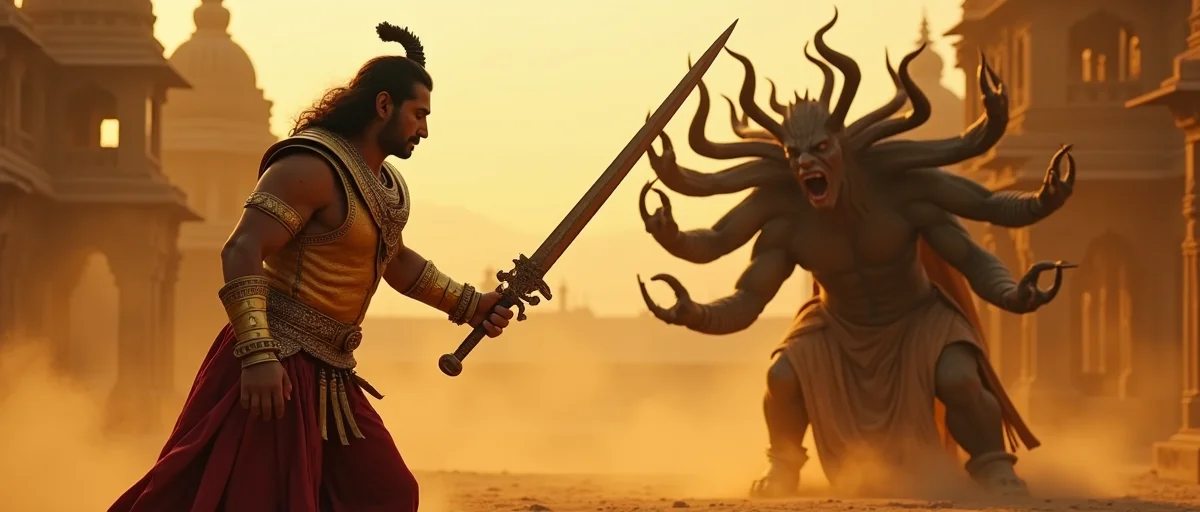
The most intriguing production detail to emerge about Aang: The Last Airbender involves a deleted scene featuring a brutal death. According to reporting from Polygon, the filmmakers crafted the scene during production but ultimately chose to exclude it before the film hit streaming.
Why does a single deleted scene matter so much? Because it reveals the creative team’s willingness to push boundaries. The Avatar franchise has never avoided serious themes—war, genocide, and political upheaval are woven into its fabric. But an explicitly brutal death would have been a substantial tonal departure from anything seen in either series.
Consider the implications:
The specifics of the scene—who dies, how, and under what circumstances—remain undisclosed. What is known is that its removal shaped the film’s final emotional arc. The film audiences see is a product of deliberate curation: the filmmakers weighed the impact of a brutal death against the franchise’s established tone, and the final cut reflects that decision.
Critics have consistently singled out the action animation in Aang: The Last Airbender as its standout feature. For technology professionals, the praise underscores two connected areas of innovation: artistic craft and delivery infrastructure.
Artistically, the Avatar universe is famous for grounding bending styles in real martial arts. Waterbending draws on tai chi; earthbending uses Hung Gar; firebending incorporates Northern Shaolin; airbending is inspired by Baguazhang. Translating these disciplines into fluid animation requires painstaking frame-by-frame work. The film continues this tradition, with choreography that would likely have been even more intense if the deleted death scene had been retained.
Delivery-wise, streaming a visually demanding 99-minute animated film at high quality places real pressure on the underlying platform. Paramount Plus must ensure consistent bitrates, minimal buffering, and reliable playback across countless device types. For professionals working in streaming technology, the success of visually ambitious releases like this one highlights how far adaptive bitrate streaming and content delivery networks have evolved. It also reinforces a broader trend: streaming-exclusive releases for legacy animated properties are rising and are becoming an increasingly vital part of platform strategy.
Deleted scenes are routine in filmmaking, but when they involve a brutal death in a family-friendly franchise, they transcend trivia. They open a window into the messy space between a filmmaker’s initial vision and the final release. The story of the Aang: The Last Airbender deleted scene is a case study in that process.
Three lessons stand out:
1. Exploration is not commitment. Just because production staff explored a darker narrative doesn’t mean they believed it belonged in the story. Treating deleted scenes as evidence of a different film misses the point—development is iterative, and not every idea survives contact with the edit.
2. Ratings and incentives matter. Retaining a brutal death scene would have influenced the film’s age rating, expanded its marketing complexity, and potentially narrowed its appeal. Studio decisions about tone are never purely artistic; they’re also commercial.
3. The story around the film is content. In the streaming economy, production gossip and deleted-scene revelations generate discussion that extends the life of a release. Deleted scenes function as promotional assets, sustaining interest long after production wraps.
The trend of using deleted scenes as promotional talking points has proven stable over time. Streaming platforms regularly feature bonus content, extended cuts, and behind-the-scenes looks to drive engagement. For the Avatar fan community, news of a darker possible version of the film provides rich material for theorycrafting: What would the film have looked like with that scene intact? What does it portend for future animated projects?
Aang: The Last Airbender fits neatly into a larger 2020s pattern of nostalgia-driven franchise revivals. Streaming platforms are incentivized to mine legacy franchises for content because the audience is pre-established and measurable. Data on which shows are rewatched, which characters resonate, and which stories fans crave is all available—and it directly informs what projects get greenlit.
For the Avatar franchise, the film is only the beginning. With Avatar Studios reportedly working on a slate of animated films, Aang: The Last Airbender serves as both a creative statement and a market test. If the film performs well on Paramount Plus, expect more animated projects from the universe—and possibly more experimental tonal choices, including stories with a darker edge.
Technology professionals can view this moment as a case study in the convergence of streaming infrastructure, IP management, and data-driven content strategy. The success of an animated legacy sequel depends not only on the quality of its animation and storytelling but also on the technical robustness of the platform that delivers it. The deleted scene, meanwhile, becomes part of the narrative layer that drives discovery and community discussion—a piece of storytelling about the storytelling process.
Aang: The Last Airbender delivered the franchise revival fans had awaited for more than a decade. Its 99-minute runtime, acclaimed action animation, and streaming-first release on Paramount Plus mark a new chapter for the Avatar universe. Behind the scenes, a brutal death scene nearly made the cut—a detail that tells us as much about the careful curation of the final film as it does about the franchise’s potential to explore darker territory.
Takeaways for readers:
The Four Nations have returned, and the conversation about their future is only beginning.
Aang: The Last Airbender is a 99-minute animated film that continues the story of Avatar Aang and Team Avatar, set between the original Avatar: The Last Airbender series and The Legend of Korra. It is the franchise's first new animated installment in over a decade and is available exclusively on Paramount Plus.
The film is streaming exclusively on Paramount Plus. As a streaming-first release, it marks a major shift from the franchise's original Nickelodeon broadcast roots, giving subscribers access to the new installment alongside the original series and The Legend of Korra.
Reports from Polygon indicate that the filmmakers created a brutal death scene during production but chose to remove it before the final cut. The exact details of the scene remain scarce, but its existence shows that the creative team explored darker territory while developing the film's action sequences.
The film bridges the narrative gap between Avatar: The Last Airbender and The Legend of Korra, reuniting audiences with Aang and Team Avatar during their adult years. This placement allows the movie to connect the original series' era to the later conflicts seen in Korra's story.
The deleted scene signals that the creative team is willing to push the franchise into more mature and action-heavy territory, especially in a streaming era with fewer broadcast restrictions. It also hints that future Avatar projects on Paramount Plus may explore darker themes while maintaining the franchise's signature bending choreography.