In April 2026, a server breach leaked the entire Avatar sequel online. Defying expectations, its exclusive July 25, 2026 debut on Paramount+ shattered global streaming records. This case study in IP resilience, cybersecurity, and the economics of streaming is a must-read for the technology sector.
In April 2026, a Hollywood worst-case scenario unfolded. A devastating server breach exposed the entirety of the highly anticipated sequel to Avatar: The Last Airbender, leaking the full film online months before its scheduled debut. For a traditional studio, this would be a catastrophic loss, nullifying the commercial value of a multi-million dollar investment. Instead, something unprecedented happened. When the film officially launched on Paramount+ on July 25, 2026, it defied the skeptics. It instantly became the number one movie on the platform across the United States and globally. This remarkable turn of events offers a critical case study for the technology sector. It forces a re-evaluation of content security architectures, the shifting economics of the streaming wars, and the resilience of powerful intellectual property.
The journey to this streaming milestone began with a controversial strategy shift. Initially, the film was scheduled for a blockbuster theatrical release in December 2025. The sudden cancellation of this run in favor of an exclusive Paramount+ debut sent shockwaves through the industry.
The economics of modern film distribution heavily favor direct-to-consumer models for specific IP. While a blockbuster theatrical release can gross billions, the studio retains roughly 50-60% of the box office revenue after exhibitor splits. Massive marketing costs further eat into margins.
Streaming provides distinct financial advantages:
By pulling the film from theaters, Paramount signaled that the long-term value of a loyal subscriber base was worth more than the short-term volatility of the box office.
The security failure that followed was a stark reminder of the fragility of digital supply chains.
The breach targeted the back end of the post-production pipeline. Considering the hundreds of VFX artists, editors, and sound engineers who require access to a digital master, the attack surface is enormous.
For technology teams, the leak served as a terrifying validation of worst-case risk assessments. It highlighted the need for:
Standard business logic dictates that a massive pre-release leak destroys a film’s commercial value. The Avatar sequel shattered this paradigm.
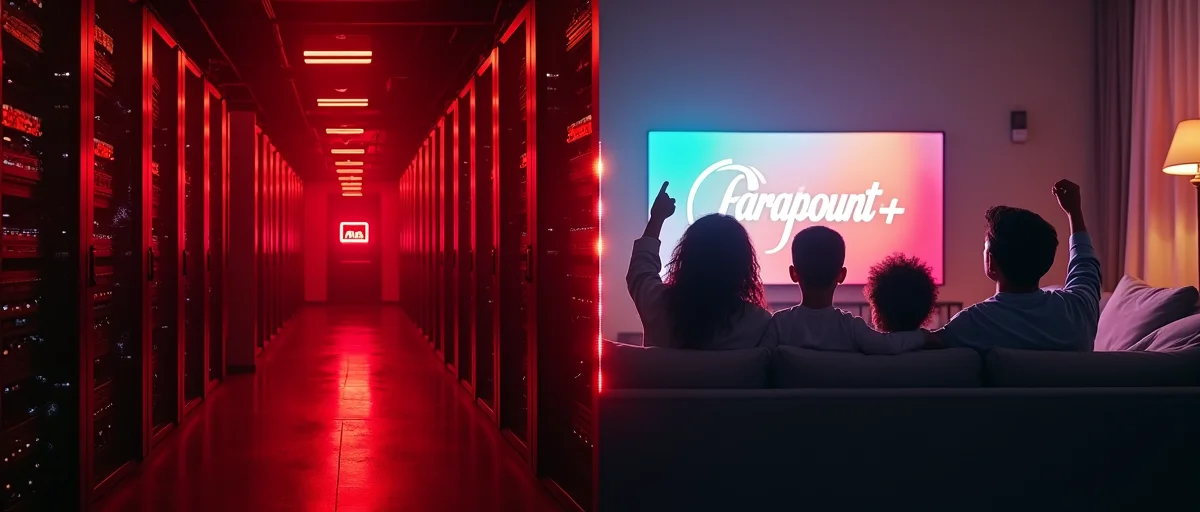
The answer lies in the stark contrast between the unauthorized leak and the official product.
The Leaked Experience:
The Paramount+ Experience:
The leak essentially created an immense wave of discovery and buzz. Social media propelled the leak into a massive marketing campaign. However, the barrier to entry for the high-quality experience was low enough that millions of users chose the legitimate pathway. The leak transformed from a security catastrophe into a powerful funnel for premium subscribers.
When the film hit the platform on July 25, 2026, the data validated the aggressive strategy.
This outcome proves a key market truth. When a platform offers superior quality and convenience, users overwhelmingly choose the legitimate product over a free but inferior alternative.
What can industry leaders take away from this saga?
The leak was an infrastructure failure of the highest magnitude. Technology executives must push for cyber risk to be treated as a core business risk, not just an IT expense. This includes investing in supply chain security audits, penetration testing, and robust incident response planning.
This case strongly suggests that for beloved franchises with immense fan equity, a leak can be survived, and potentially even leveraged to boost engagement. The strength of the IP creates a powerful drawing power that can withstand significant technical failures.
Direct-to-streaming releases for major IP are now a proven strategy. Studios will inevitably evaluate their theatrical slates against the certainty of subscriber growth. For mid-tier budgets and high-fan-engagement IP, streaming offers a viable and less risky financial path.
The most effective counter to piracy is not necessarily stronger encryption. It is a vastly superior user experience. Paramount+ provided exactly that: high-fidelity audio/video, instant access, and a social community. This is a core tenet of modern digital product management in the entertainment sector.
The journey of the Avatar sequel from a catastrophic server breach to a record-breaking global streaming hit is a landmark event for the entertainment technology industry. It demonstrates that while cybersecurity failures can be devastating, they are not always fatal. Success depends on strong intellectual property and robust platform delivery. For the technology sector, this story is a powerful reminder of the need for resilient infrastructure, a deep understanding of the streaming economy, and the enduring value of a world-class user experience. Paramount successfully turned a potential disaster into a strategic victory, proving that the right distribution model can overcome even the most dramatic technological failures. The era of the resilient streaming blockbuster is officially here.
The sequel was leaked via a server breach in April 2026, but Paramount+ proceeded with its exclusive debut on July 25, 2026. The film shattered streaming records, demonstrating that strong intellectual property, strategic marketing, and the controversy itself can drive massive viewership despite piracy.
Paramount prioritized subscriber acquisition and long-term recurring revenue over the short-term volatility of box office returns. Streaming offers direct subscription fees, valuable user data, and full control over distribution, making it a more predictable and profitable model for major IP in the streaming wars.
The breach underscores the need for robust encryption, strict access controls, and zero-trust architectures to protect high-value content. Studios should also prepare rapid response plans that can turn a leak into a marketing opportunity, as demonstrated by the film's success, but only when the IP is resilient enough.
In theaters, studios keep roughly 50-60% of box office revenue after exhibitor splits and face high marketing costs. Streaming eliminates these splits, providing direct subscription income and user data that fuels algorithm improvements and future content decisions, often resulting in greater long-term value for strong franchises.
The strategy works best for established franchises with loyal fanbases that can sustain hype even after a leak. Lesser-known or weaker IP may suffer more from piracy, so the approach is not universally replicable; it requires confident IP and a streaming platform ready to capitalize on the attention.