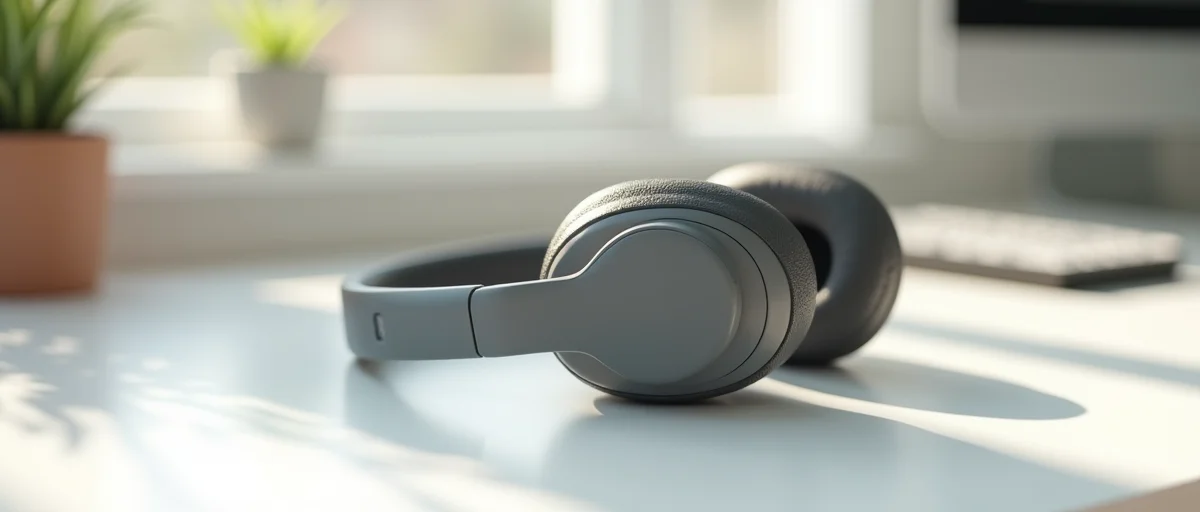
The Daisy One headphones offer exceptional comfort and tactile controls, but audio performance may disappoint. Read our review to decide if they fit your needs.
The Daisy One is the company’s first headphone model, and it enters the market with a clear focus on comfort and tactile interaction. The over-ear design promises hours of fatigue-free listening, and physical buttons offer a welcome departure from trendier touch controls. Yet this Daisy One review reveals a fundamental tradeoff. While the headphones excel in design and usability, their sound quality does not match the same level of ambition. For buyers who value ergonomics and straightforward controls, the Daisy One could be a pleasant surprise. For audiophiles, however, it may be a frustrating miss.
One of the first things you notice about the Daisy One is the premium look. The matte finish and clean lines give it a modern appearance. The earpads are plush and breathable, and the headband is generously padded. The headphones feel light on the head, which is a key factor for long listening sessions.
Comfort is clearly the top priority. During hours of wear, the clamp force remains gentle. There are no sharp edges or pressure points. Whether you are in back-to-back virtual meetings, reading documents, or simply listening to music, the Daisy One stays comfortable.
The adjustable headband offers solid flexibility. It fits a range of head sizes without feeling overly tight. The earcups swivel slightly, which improves the fit further. For anyone who spends all day in headphones, this is a significant advantage.
The build quality is not flawless, but it feels robust. The plastic surfaces have a soft-touch finish, and the hinges feel secure. While it is not a premium metal chassis, the Daisy One is durable enough for everyday use. The overall construction inspires confidence.
These features combine to make the Daisy One one of the more comfortable headphones in its class. Many buyers choose headphones based on comfort alone. The Daisy One clearly wins that battle.
The Daisy One’s physical controls are another standout. The headphones use dedicated buttons for play, pause, volume, and track skipping. The push-button design provides immediate tactile feedback. This is a meaningful advantage over touch-sensitive panels, which can require multiple swipes to register a command.
In recent product cycles, the trend has shifted back toward tactile controls. Users are embracing physical buttons for their reliability. A button press works even when your hands are sweaty or gloved. It also gives a satisfying click, so you know the command went through.
The buttons on the Daisy One are well-positioned on the earcup. You can find them by touch without searching. The volume rocker has good resistance, and the multi-function button allows call management and playback control. In practice, this makes the headphones simple to use.
The rising interest in tactile controls suggests that consumers want dependable interfaces. The Daisy One delivers on this front. The buttons are one of the product’s most compelling features, and they make daily interactions effortless.
After spending time with the Daisy One, the sonic limitations become clear. The sound signature is not dynamic enough to capture the energy of most music. Bass is present but lacks punch and definition. Mids are slightly recessed, and highs can sound dull.
The lack of detail is the most persistent issue. Complex tracks lose some of their separation. You may hear the overall melody but miss subtle instrumentation. For casual listening, this is acceptable. But for critical listening, it is a dealbreaker.
The headphones are not outright terrible. They produce a balanced-enough sound for podcasts and voice calls. Dialogue remains intelligible. In an office setting, the isolation is decent, though it does not cancel all background noise.
If you prioritize audio fidelity, the Daisy One will likely disappoint. There are alternatives with better sound in the same segment. However, the Daisy One may still appeal if you value comfort and controls more than audiophile-grade performance.
The Daisy One is not a universal recommendation. It suits specific lifestyles and listening habits. If you work from home and attend hours of video calls, the comfortable fit will be a blessing. The tactile buttons make muting and volume adjustments quick, so you never lose your place in a conversation.
The headphones also fit well into collaborative workspaces. You can easily adjust the volume without pulling out your phone. Physical buttons reduce complexity and friction. That simplicity is invaluable in a busy environment.
For travelers, the Daisy One can be a solid companion. The comfortable earcups are ideal for long flights. The controls work well even when you are wearing a scarf or gloves. Just keep expectations low regarding sound quality.
But the Daisy One is not for critical listeners. If you buy headphones primarily for their audio fidelity, look elsewhere. There are better-sounding options around the same price. The Daisy One should be chosen for ergonomics and usability, not acoustic performance.
The decision to include physical buttons aligns with a broader movement in consumer audio. Tactile interfaces are regaining popularity after years of touch-only controls. Many users find touch gestures imprecise and frustrating. The tactile controls trend has been rising in recent product cycles.
Sound designers and user-experience experts often point out that tactile feedback helps create a stronger connection to the device. A physical click provides immediate confirmation. It reduces the cognitive load needed to operate a product. The Daisy One is an example of this design philosophy taken seriously.
As more brands adopt tactile controls, consumers can expect a wider range of options. Future devices may combine physical buttons with smart features. The Daisy One could be an early step toward a more intuitive era in personal audio.
In this Daisy One review, we found a headphone that excels in comfort and tactile usability. The design is pleasant, the controls are intuitive, and the fit is excellent for extended wear. But the sound quality fails to impress.
The takeaway is straightforward: choose based on your priorities. If you value comfort and physical controls, the Daisy One offers a compelling package. If you need accurate sound reproduction, explore other options. The Daisy One is a comfortable, tactile accessory, not an audiophile tool.
The Daisy One is the first headphone model from the company, featuring an over-ear design. It prioritizes comfort with plush earpads and a padded headband, and it uses physical buttons for controls. However, its sound quality may not satisfy audiophiles.
The Daisy One is designed for extended wear, with plush breathable earpads, a generously padded headband, and a lightweight frame. The clamp force is gentle, so there are no harsh pressure points. Many users will find them comfortable for all-day use.
The Daisy One uses dedicated physical buttons for play, pause, volume, and track skipping. This is a deliberate departure from touch controls, making the headphones easy to operate without looking. The tactile buttons provide clear feedback and reduce accidental inputs.
Probably not. The Daisy One excels in comfort and usability, but its audio performance is described as disappointing when compared to its other features. If you prioritize precise, high-fidelity sound, you may want to consider other options in the same price range.
Physical buttons offer a more tactile and reliable experience than touch controls, which can be finicky or require precise swipes. With the Daisy One, you can easily pause, skip, or adjust volume by feel. This makes the headphones especially convenient for quick adjustments during meetings or commutes.