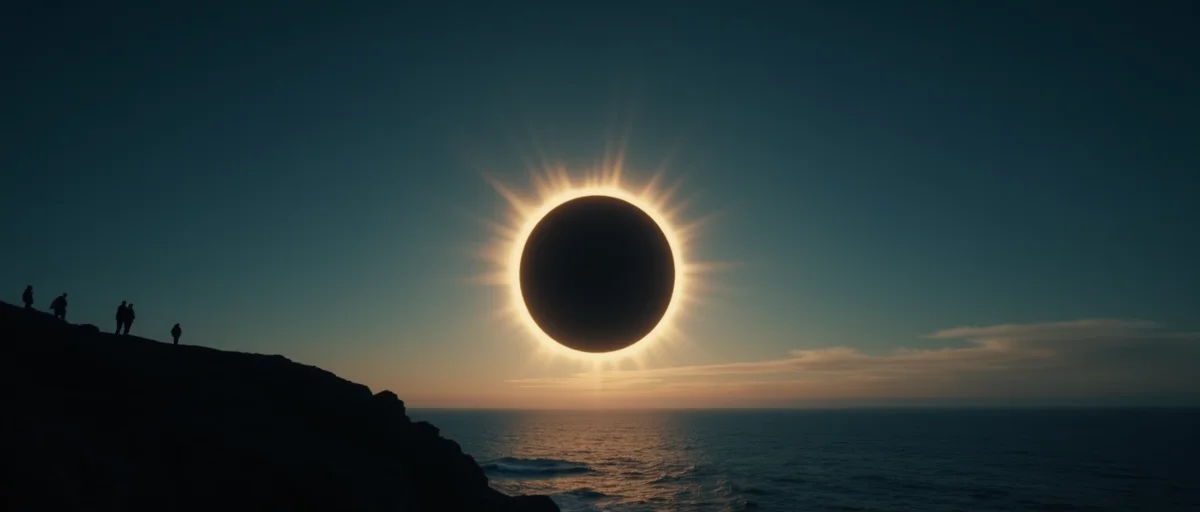
A total solar eclipse on August 12 and a partial lunar eclipse on August 28 will make August 2026 a landmark month for sky-watchers. Learn where to watch, how to stay safe, and the best digital tools for experiencing both celestial events.
August 2026 shapes up as a landmark month for sky-watchers. Two eclipses will unfold within just 16 days: a total solar eclipse on August 12 and a partial lunar eclipse on August 28. The total solar eclipse is the first visible from Europe since 1999, and the lunar eclipse follows two weeks later in the same eclipse season.
For technology professionals, these events offer a unique chance to combine science, data, and travel. Whether you are planning a bucket-list trip to the path of totality or prefer to watch high-definition livestreams from your workstation, here’s everything you need to know about the August 2026 eclipses.
A total solar eclipse happens when the Moon passes directly between the Sun and Earth, completely blocking the Sun’s face. NASA’s Space Place explains it succinctly: “A total solar eclipse happens when the Moon passes between the Sun and Earth, completely blocking the face of the Sun.”
The August 12 event will be the most-watched solar eclipse of the year. The path of totality crosses Greenland, Iceland, and northern Spain. Greatest eclipse occurs at approximately 17:46 UTC, with a maximum duration of totality of 2 minutes and 18 seconds.
For those outside the path, a partial solar eclipse will still be visible across a much broader region that includes Europe, northern Africa, and parts of Asia. That wide footprint means hundreds of millions of people can witness at least some phase of the event.
During those 2 minutes and 18 seconds, the daytime sky darkens dramatically. Temperatures drop noticeably, birds may stop singing, and the Sun’s corona becomes visible to the naked eye. For many eclipse chasers, totality is an unforgettable sensory experience.
For tech professionals, totality is also a precision data event. Astronomers and amateur observers will capture images across multiple wavelengths — from visible light to X-rays — and publish data streams in near real time. NASA and the European Space Agency typically coordinate extensive observations during such eclipses, making this a rich moment for anyone interested in scientific instrumentation and data pipelines.
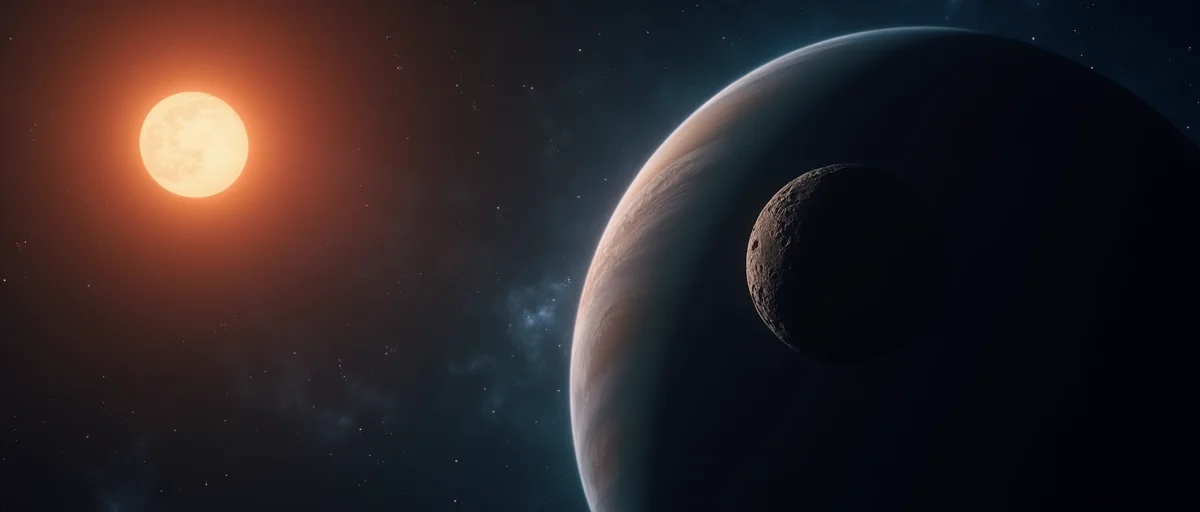
Two weeks later, the Moon will slide through Earth’s shadow for a partial lunar eclipse. This event occurs when the Sun, Earth, and Moon align imperfectly, so only part of the Moon enters the darkest part of Earth’s shadow, the umbra.
The August 28 lunar eclipse is perfectly safe to watch with the naked eye — no certified glasses or special equipment needed. That makes it an ideal event for newcomers, families, and for anyone who wants to introduce a colleague or friend to the joys of eclipse watching.
A partial lunar eclipse is an excellent training ground for astronomy technology. The event unfolds over several hours, giving you plenty of time to:
Unlike the brief urgency of a solar eclipse, the lunar eclipse rewards patience and careful experimentation. It is a low-pressure way to test your kit before the next big solar event.
The pairing is not a coincidence. Both eclipses belong to the same eclipse season — a roughly two-week window when the Moon’s orbit aligns with the Sun and Earth. Here is the mechanism:
This recurring rhythm is a beautiful example of orbital mechanics. For developers and engineers, it is also a reminder of the precision built into our solar system. The Moon’s tilted orbit means eclipses do not happen every month, but when they do, they often arrive in pairs.
Safety is the single most critical factor for viewing the August 12 solar eclipse. Any partial phase — even a sliver of the Sun — requires certified eclipse glasses that meet ISO 12312-2 safety standards. Regular sunglasses, neutral-density filters, or camera lenses without proper solar filters are not safe.
The market is responding to demand. Sales of eclipse-viewing safety products have risen 15% in the months leading up to the 2026 solar eclipse. If you plan to observe, buy early from reputable suppliers and inspect your glasses for scratches or damage before use.
For the lunar eclipse on August 28, no special equipment is needed. Your eyes, binoculars, or a modest telescope will deliver an excellent view.
If you are photographing the solar eclipse, protecting your camera sensor is just as important as protecting your eyes. Use a dedicated solar filter on the front of your lens, and never point an unfiltered camera at the Sun. For the lunar eclipse, no filter is required — your camera can capture the event safely without extra equipment.
Spain is set to be the most accessible and popular viewing location for the total solar eclipse. The path of totality passes directly over parts of northern Spain, offering good infrastructure, high-speed internet, and a well-developed tourism economy.
Eclipse tourism is surging. Interest in eclipse-related travel has grown 20% from the 2024 North American eclipse to the 2026 event. Hotels in northern Spain’s path of totality are already seeing strong demand, so early planning is essential.
For technology professionals, Spain offers an ideal base. You can combine the eclipse with remote work, or extend your trip to visit tech hubs in Madrid or Barcelona. With solid broadband in most viewing regions, staying connected before and after the big moment is entirely feasible.
Can’t make it to the path of totality? You still have plenty of options. Live streaming of eclipses has maintained stable engagement growth of around 10% across recent eclipse cycles. NASA, the European Space Agency, and TimeandDate.com routinely offer high-definition livestreams with multiple camera angles.
For a more hands-on experience, consider these tools:
For developers, eclipses are fantastic data sources. Here are a few ideas to try:
The data opportunities are as vast as the event itself.
Mark these dates and prepare early.
The August 2026 eclipse season delivers a rare double: a total solar eclipse and a partial lunar eclipse within two weeks. For technology professionals, these events blend science, data, and travel into one compelling package — whether you’re standing in the path of totality in Spain or watching via livestream from home.
The essentials are clear. Use certified protection for the solar eclipse. Enjoy the lunar eclipse without filters. Plan early, because eclipse tourism is surging, and prime viewing locations won’t stay available for long.
Mark your calendars for August 12 and August 28. The cosmos is putting on a show — and it’s one you won’t want to miss.
A total solar eclipse occurs when the Moon completely blocks the Sun's face from Earth, turning day into darkness along a narrow path. A partial lunar eclipse happens when the Earth moves between the Sun and Moon, but only part of the Moon passes through Earth's umbral shadow, causing a darker, reddish bite-like shadow on the lunar surface.
You must use certified eclipse glasses or a solar filter designed for direct viewing—ordinary sunglasses are not safe. If you don't have a filter, use an indirect viewing method like a pinhole projector, or watch a livestream from a trusted source like NASA or timeanddate.com.
The path of totality on August 12, 2026, crosses Greenland, Iceland, and northern Spain, with greatest eclipse occurring at approximately 17:46 UTC. Northern Spain is often recommended for the most reliable weather and the longest duration of totality (up to 2 minutes 18 seconds).
Popular options include NASA's Eclipse Explorer for interactive maps and timings, timeanddate.com for live streams and local eclipse calculators, and apps like Solar Eclipse Timer for audio-guided countdowns during totality. For the lunar eclipse on August 28, many astronomy apps offer real-time viewing guides and observation reminders.
After the August 12, 2026, total solar eclipse—the first visible from Europe since 1999—the next total solar eclipse viewable from Europe will occur on July 23, 2036, with parts of the United Kingdom and Scandinavia experiencing totality. So for most Europeans, this is a once-in-a-decade opportunity.