AboFlah, the Middle East's top YouTube star with 30M+ subscribers, is redefining success—from $1M charity streams to his bold choice to raise kids offline.
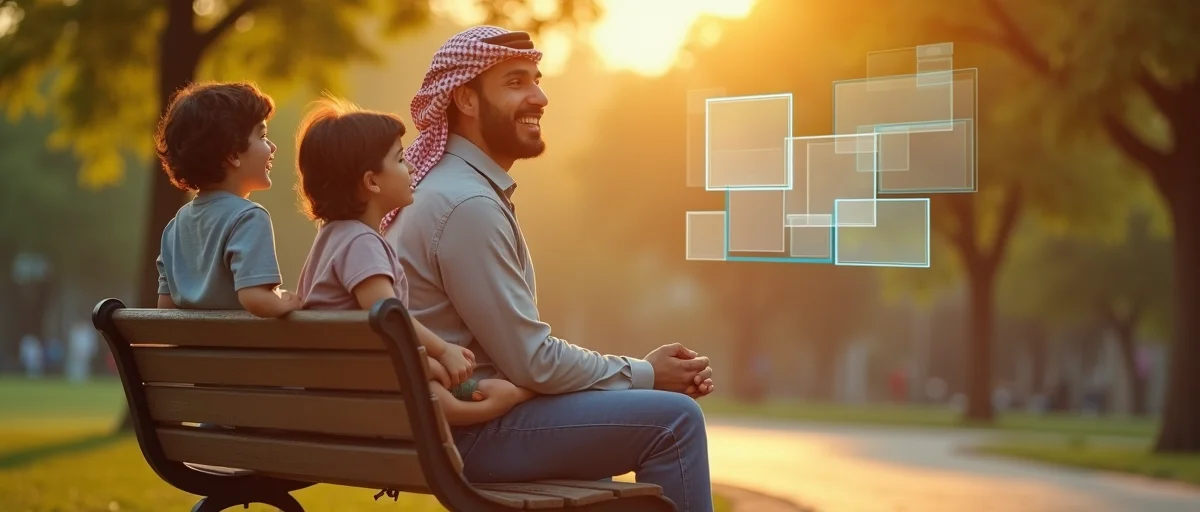
In an era when internet fame often becomes a 24/7 identity, one of the Middle East’s most influential YouTube stars is choosing a different path. AboFlah, the beloved streamer with more than 30 million subscribers, spent years building a digital empire that spans gaming, entertainment, and community engagement. But now he is making a radical shift: stepping away from the always-on streaming lifestyle to prioritize something he considers far more important—ensuring his children grow up offline, in the real world.
This unexpected turn from one of the platform’s biggest names raises a critical question for content creators and technology professionals alike: where do you draw the line between digital success and real-life fulfillment? AboFlah’s answer may surprise you.
AboFlah’s ascent to global stardom did not happen by accident. With a tireless work ethic and an intuitive understanding of audience engagement, he built one of the most loyal fanbases on YouTube—30 million subscribers and counting as of 2025. His content resonated because it felt authentic, immediate, and deeply human. In a region where streaming culture was still emerging, AboFlah became the blueprint for a new generation of Middle Eastern creators.
But that kind of success comes at a cost. The 24/7 streaming lifestyle—always live, always available, always performing—took a toll on his personal life. In a candid interview with Wired, AboFlah reflected on his evolution:
“I used to think streaming was everything. Now I want to be there for my kids.”
The sentiment captures a growing reckoning among top creators worldwide. As the pressure to produce content intensifies, many are beginning to ask whether the metrics of online success align with the goals of a meaningful life. For AboFlah, the answer became clear: they don’t have to.
Streaming isn’t just a job; it’s an environment. For hours at a time, creators are exposed to chat, reactions, and the relentless feedback loop of public opinion. The psychological load is significant, and it doesn’t end when the stream does. Notifications, messages, and community expectations follow creators into their private lives—if they let them.
AboFlah speaks openly about the dangers of immersion in internet culture. “The internet is a great tool, but it can also be a dangerous place,” he told Wired. “I want my kids to learn the real world first.”
His concerns are backed by a wider social trend. Across the last five years, interest in digital detox practices and screen-time limits for children has risen 35 percent. Parents in every industry—including those who work in tech—are grappling with how to let kids benefit from digital tools without being consumed by them. The tension is particularly acute for creator parents, who must model a relationship with screens that they themselves never had.
For technology professionals, AboFlah’s approach offers a rare perspective from inside the machine. He is not anti-internet; he is pro-reality. His effort to shield his children from the spotlight until they are old enough to understand it is a deliberate, considered choice—not a rejection of the medium that made him famous.
While stepping back from the always-on lifestyle, AboFlah has simultaneously deepened his engagement in one specific area: charitable livestreaming. His fundraising streams have become a major part of his output, raising an estimated $1 million or more for causes across the Middle East, according to Wired.
“Charity streaming gives me another purpose,” he explains. “It’s not just about entertainment anymore; it’s about making a difference.”
This pivot aligns with a broader movement in creator culture. Charity live streams among top YouTube creators have risen 25 percent in the last two years. From disaster relief to medical funding to educational initiatives, creators are using their reach to mobilize communities around real-world causes. For AboFlah, this sits at the intersection of his platform and his values.
The mechanics of charity streaming are also relevant to technologists. Live fundraising requires careful technical planning, including donation tracking, real-time audience engagement, and content moderation. AboFlah’s success in raising over $1 million demonstrates that streaming can move beyond entertainment to become a viable infrastructure for modern philanthropy.
AboFlah’s desire to raise his children offline is not a rejection of technology; it is a strategic parenting decision. In 2024, YouTube reached 2.5 billion monthly active users globally, according to Statista. The platform is a fixture of daily life for billions, and its influence on children is a growing concern among educators, psychologists, and parents.
By choosing to let his kids “learn the real world first,” AboFlah is pushing back against the assumption that digital-native status is inherently positive. For him, childhood should be grounded in physical experiences, unmediated relationships, and the kind of imagination that flourishes away from screens.
This is a significant stance coming from someone whose entire career depends on digital visibility. It signals a maturity in creator culture—a recognition that online success does not need to be hereditary. AboFlah’s children will not inherit his metrics of self-worth. Instead, they will have the opportunity to build their own identities beyond the algorithm.
AboFlah’s story is filled with lessons for anyone who works at the intersection of technology and culture. Here are the most important takeaways:
The growing trend of parent creators balancing online fame with family life has risen 40 percent in the last three years. AboFlah is both part of that movement and one of its most visible advocates.
What happens when one of the biggest YouTube stars tells the world he wants his kids to live offline? For starters, it normalizes the idea that the internet is not the totality of human experience. It also emboldens other creators to set their own limits. In the coming years, expect to see more public figures following AboFlah’s lead: scaling down streaming hours, prioritizing family, and using digital reach selectively.
For technology professionals, this evolution is an opportunity. Building products that support healthy digital habits—rather than those that simply maximize engagement—will be the next frontier. The demand for screen-time management tools, offline experiences, and family-focused technology is rising alongside creator awareness.
AboFlah’s own words offer the clearest guiding principle: “I used to think streaming was everything. Now I want to be there for my kids.” It’s a simple recalibration, but one with profound implications for an industry built on attention.
AboFlah’s journey from 24/7 streaming to family-first living is a masterclass in digital boundaries. He shows that online fame can be leveraged for good—through charity streams and positive influence—without sacrificing what matters most. For technology professionals, his approach offers a practical blueprint: build your digital presence, but don’t let it define your life. Set limits. Model healthy behavior. Remember that the most important connections are often the ones that happen offline.
AboFlah has made his choice. The question is: what will you log off for?
AboFlah is a Middle Eastern YouTube personality and streamer with over 30 million subscribers, known for gaming, entertainment, and community-focused content. He built a loyal fanbase through authentic, human engagement and has become a blueprint for creators in the region.
It is his deliberate decision to raise his children without constant exposure to internet culture and streaming, prioritizing real-world experiences and family presence over living life on camera. He wants to protect them from the pressures of being always-online and set clear boundaries between digital success and parenting.
He recognized the hidden costs of constant visibility—the nonstop feedback, notifications, and pressure—and concluded that online success did not have to come at the expense of personal fulfillment. As he put it, he used to think streaming was everything, but now he wants to be there for his kids.
Creators can schedule specific streaming windows, guard offline time as non-negotiable, turn off non-essential notifications, and separate work devices from personal life. They should also reassess their content schedules regularly to make sure their goals still align with their values and family commitments.
It signals a growing movement among top creators to question the always-on model and reconsider success metrics beyond views and subscribers. This could lead to more sustainable creator careers, healthier work-life boundaries, and a cultural shift toward valuing real-life fulfillment alongside digital influence.