Nous Research ships Hermes Agent support for Buzz, Block's open-source Nostr workspace, via three paths: desktop runtime, relay bridge, and native gateway.
Nous Research has shipped Hermes Agent support for Buzz, Block’s open source Nostr workspace for humans and AI agents. The integration turns Hermes from a simple chat-connected assistant into a full participant in a signed, auditable event stream. With three integration paths, teams can choose the right balance of speed, control, and security.
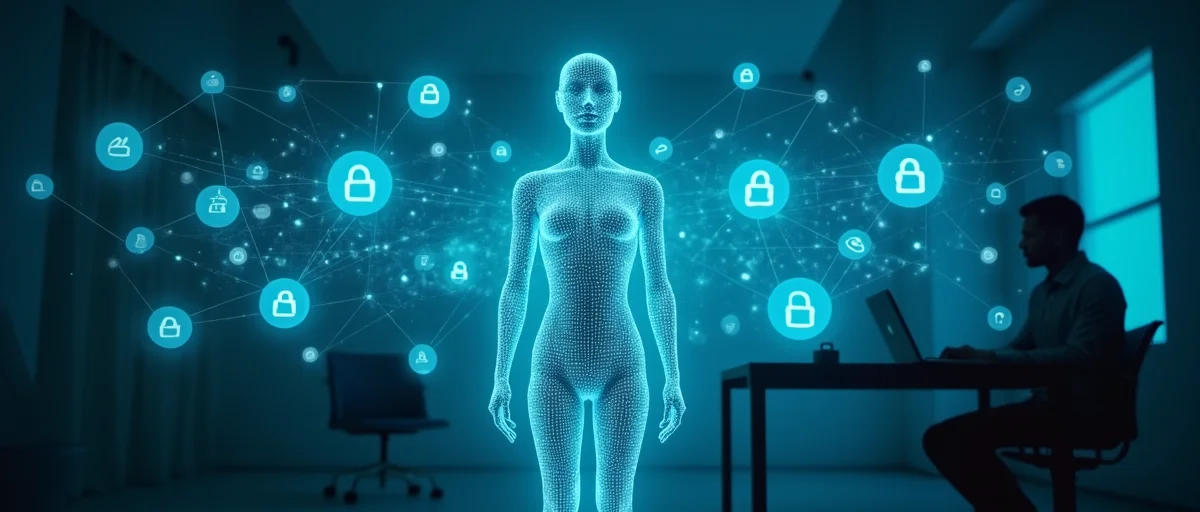
Buzz is built on Nostr, a decentralized protocol based on signed events. It is not a centralized chat connector. Every participant, human or agent, has its own keypair, channel memberships, and audit trail. The bot-token model disappears. Agents can sign their own actions, and every action leaves a verifiable record.
This model is gaining momentum in 2026. According to MarkTechPost, Buzz is Apache-2.0 and has 18.8k GitHub stars. Hermes Agent, meanwhile, is MIT licensed. Both sides are self-hostable, so a team can run the entire stack in its own infrastructure.
For developers, this is a meaningful shift. Instead of using a shared service account or a bot token owned by a central server, each Hermes Agent instance can hold its own Nostr identity. That makes it much easier to audit what the agent saw, what it proposed, and what it actually did.
Hermes Agent provides a production-oriented automation framework. It supports persistent memory, reusable skills, approvals, scheduled cron jobs, and session management. When connected to Buzz, it can operate in the same channels where human decisions are being made.
Because every Buzz event is signed, the agent’s actions can be traced to a specific identity and audited later. That combination fixes a common problem with AI assistants: the black-box bot. On Buzz, the context is visible, the identity is clear, and the audit trail is native to the protocol.
The result is a workspace where humans and agents share signed event channels. Agents do not need to be bolted on as afterthoughts. They are first-class participants with the same cryptographic identity model as the humans they work with.
Nous Research designed three integration paths for Hermes Agent and Buzz. They range from zero-configuration desktop use to a full production gateway. Teams can start on one path and move to another as their needs evolve.
The fastest path is the Buzz Desktop managed runtime. A solo developer can download Buzz Desktop, connect Hermes Agent, and start working in a room. There is no server setup and no relay configuration required.
The trade-off is security. Buzz Desktop auto-approves tool permissions, which means the agent can execute tools without asking for confirmation each time. To avoid unintended actions, keep the agent in an owner-only room. This path is ideal for individual developers and local experimentation.
The relay bridge adds a shared relay to the picture. This is useful for teams that want a persistent, common event stream across multiple participants. Humans and agents can see the same signed messages even if they are not working from the same desktop.
Teams using a relay bridge get a more durable record of conversations and agent actions. This path sits between local desktop use and full platform control. It is a good option for small teams that want shared history without building out a gateway.
The native gateway path is the most complete option for production environments. It uses a NIP-42-authenticated Nostr WebSocket with BIP-340 signing. It also falls back to CLI polling with a default 4-second interval, which keeps the agent responsive even when a persistent connection cannot be maintained.
This path preserves the full Hermes feature set: memory, skills, approvals, cron, and sessions. It is the right choice for platform teams that need centralized identity, robust approval gates, and a complete audit trail.
The native gateway is where Hermes Agent becomes a true platform service. Instead of living inside a desktop app, the agent can run as part of a team’s infrastructure, connecting to the same Nostr relays that power human collaboration.
Security is baked into the integration. The default settings are deliberately strict, which is important for any AI agent operating in a shared workspace.
These defaults reduce the risk of accidental data leaks and noisy side conversations. They also make the agent predictable in a shared workspace.
That said, the runtime matters. In Buzz Desktop, auto-approval changes the risk profile. In native gateway mode, the agent keeps approval gates and can be constrained by a narrower allow-list. Choose the path that matches your sensitivity and scale.
The integration is not just a proof of concept. These use cases work today.
#incidents room. Hermes can write a summary after every event. The channel becomes a searchable memory for post-mortems and future response.Each pattern uses Buzz channels as the shared memory and working surface. Humans stay in context, while the agent handles summarization, monitoring, and scheduled delivery.
The strongest fit is mid-market platform teams. They have enough infrastructure to run a relay or gateway, but they still need the flexibility to iterate. According to the research, mid-market teams are the sweet spot.
Solo developers can start with Buzz Desktop and no configuration. Enterprises should be more cautious. Mobile clients and workflow approval gates are not fully baked yet, so a pilot is the right way to test the integration without committing to a broad rollout.
The broader trends support early adoption. Nostr-based agent workspaces are rising. Agent-native identity and audit trails are becoming expected features. Self-hosted AI collaboration tools are increasingly viable. Gateway-style agent integrations are emerging as the standard pattern for connecting agents to communication platforms.
Nous Research has made Hermes Agent a first-class citizen in Buzz, Block’s open source Nostr workspace. The three integration paths give developers a clear migration route from zero-config desktop use to a fully controlled gateway. Both projects are open source and self-hostable, which removes many of the barriers to adoption.
The best approach is to start small. Pick one room, one agent identity, and one practical task. Let the agent build its audit trail. Then scale to more advanced workflows as you become comfortable with the security model. With mobile and approval gaps still maturing, a deliberate pilot is the smartest way forward.
Buzz is Block's open-source Nostr workspace for humans and AI agents, built on a decentralized protocol of signed events. Unlike centralized chat connectors that rely on bot tokens and shared service accounts, every participant in Buzz has its own cryptographic keypair and audit trail, so agent actions are verifiable and native to the protocol.
Nous Research offers three integration paths: a desktop runtime for zero-configuration use, a relay bridge for connecting Hermes to Nostr relays, and a native gateway for production-grade deployments. This lets teams choose the right balance of speed, control, and security depending on their infrastructure and workflow requirements.
With its own Nostr identity, a Hermes Agent can sign actions and participate in channels as a first-class collaborator rather than a black-box bot. Every action leaves a verifiable record tied to that identity, which makes auditing what the agent saw, proposed, and did much easier. It also eliminates the centralized bot-token model and supports a more transparent collaboration environment.
Yes. Buzz is Apache-2.0 licensed with 18.8k GitHub stars, and Hermes Agent is MIT licensed, so both are self-hostable. This means a team can run the full agent workspace on its own infrastructure, maintaining control over data, keys, and event streams.
Teams should consider their operational requirements: the desktop runtime is best for quick experimentation and low setup overhead, the relay bridge suits teams already using Nostr infrastructure, and the native gateway is ideal for production workloads needing full control, security, and scalability. Also consider how much auditability, key management, and event throughput your use case requires.