Multi-hour Xbox outage strikes July 2, 2025, blocking even disc games. Microsoft calls it unacceptable and promises resilience fixes. Here’s what happened.
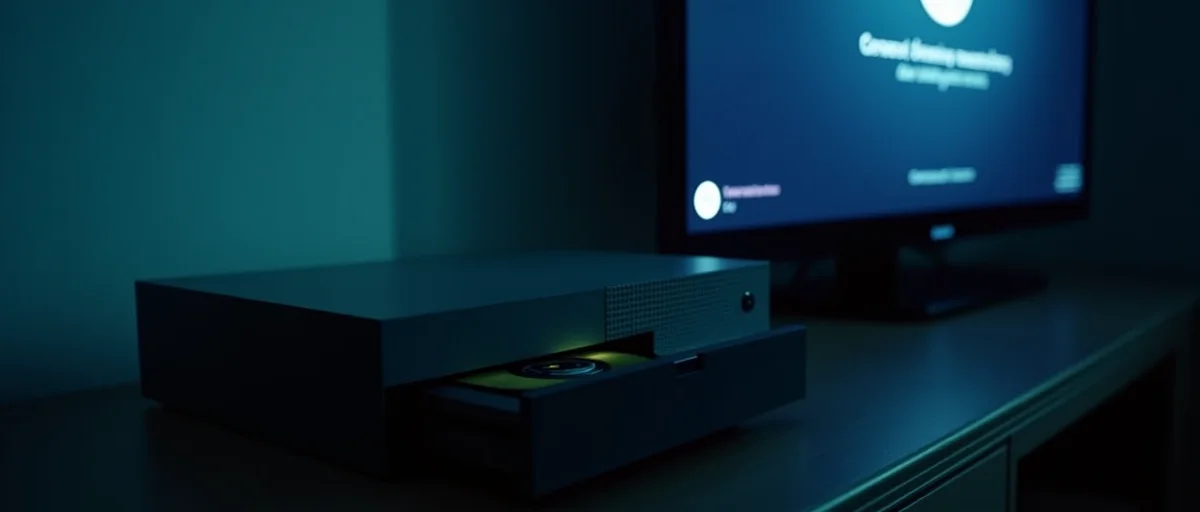
On 2 July 2025, millions of Xbox owners discovered a hard truth about modern gaming: even a physical disc is not a guarantee of access. A multi-hour Xbox outage prevented users from signing in, viewing their game library, and launching titles. Crucially, it also blocked players using disc copies of games. This Xbox outage disc games incident became a flashpoint in the debate over cloud dependency, DRM, and game ownership.
At the peak of the disruption, Downdetector logged more than 70,000 reports from affected users. BBC News described the outage as lasting roughly six hours before Xbox reported that services were restored. The scale was significant, but the most telling detail was Microsoft’s response: the company called it “completely unacceptable” that an online outage could stop people from playing their games, including those on physical discs.
Microsoft later confirmed that the root cause was in the service infrastructure that handles account authentication and game license verification. When a player launches a game, the console checks the account’s entitlement and license status. On Xbox, this check happens even for retail discs. If Microsoft’s service is unavailable, the console cannot verify the license, and the game may refuse to launch.
This design is not accidental. Online license verification protects publishers from piracy and enables features like Game Pass, Smart Delivery, and family sharing. But it also introduces a single point of failure. When the authentication backend fails, even a player with a physical disc in the drive can be locked out.
The company said it had already identified operational changes designed to prevent the same problem from recurring. It also confirmed that no player data or game progress was lost as a result of the outage. Those reassurances are helpful, but they do not erase the frustration felt by players who were offline for hours.
Disc-based games in the current console generation are rarely fully self-contained. Many require day-one patches, and some rely on cloud saves, multiplayer services, and licensing checks. A physical disc often serves as an installation key and a license token, not as a complete offline artifact.
During the 2 July outage, the license verification step failed for a broad set of users. Because authentication services were unavailable, the console could not confirm that the user had the right to play the game. This affected digital purchases, Game Pass titles, and disc games alike.
This is not a problem unique to Xbox. PlayStation and PC storefronts also use online checks to validate licenses. However, console platforms are typically marketed as turnkey devices, and the expectation is that a disc will work without a network connection. The outage broke that expectation.
The event has reignited concerns about digital rights management and physical ownership. Over the last 12 months, consumer unease around DRM and physical game ownership has been rising. The Xbox outage disc games incident provides concrete evidence that a physical collection is still vulnerable to cloud infrastructure failures.
When a game is purchased on disc, many players assume they own it. In practice, they may hold a license that depends on backend services. That distinction matters for collectors, preservationists, and anyone living in a region with unreliable internet.
Microsoft’s Xbox engineering leadership did not mince words.
“It is completely unacceptable that a service outage prevented players from playing their games, including those on disc. We are sorry for the disruption and have already identified changes to improve the resilience of our services.”
The statement, reported by BBC News on 3 July 2025, was striking for its directness. Platform owners often acknowledge outages with generic apologies. Here, Microsoft went further by acknowledging the specific design failure: disc games should never be affected by an online authentication outage.
Microsoft did not share technical details about the operational changes it has identified. Companies rarely do during the early stages of a post-incident review. Expect future updates to focus on redundancy, failover, and caching of license data so that users can continue playing through temporary service interruptions.
The practical reality is that modern consoles are online-first devices. Digital storefronts, social features, cloud saves, and regular system updates all rely on network connectivity. The disc drive is still useful, but it no longer represents complete independence from the internet.
For players, the message is clear: prepare for outages as you would for any other infrastructure failure. No platform is immune. The question is how quickly services recover and how much resilience is built into the system by default.
The 2 July outage is one more data point in a broader trend. Console gaming’s reliance on online services has been rising throughout the 2020s. More games require day-one downloads, online-only progression, and subscription tie-ins. Physical discs remain available, but they are increasingly symbols of ownership rather than complete packages.
This incident may accelerate calls for clearer DRM labeling and stronger consumer protections. If a product is sold as a physical game, buyers should know exactly what online requirements are needed after purchase. The current situation often hides those requirements inside lengthy license agreements.
For technology professionals, the outage is also a case study in service resilience. When you build an always-on system, you must design for the moment when the main service cannot confirm who a user is or what they own.
The Xbox outage disc games event on 2 July 2025 was a wake-up call. A six-hour disruption, more than 70,000 user reports, and a public apology from Microsoft all point to a system too dependent on a single online layer. The good news: no player data was lost, and Microsoft says it has already identified changes to improve service resilience.
For players, the actionable takeaways are straightforward: configure offline options, keep your firmware and patches updated, and understand the true nature of your game library. For the industry, the expectation should be higher. Physical media should not be a point of failure in an online-only world. Microsoft’s blunt admission—“unacceptable”—sets a new benchmark for accountability.
If you own an Xbox, now is a good time to review your system settings and license setup. The next outage may not be avoidable, but with the right preparations, you will not be left in the dark.
A multi-hour Xbox outage prevented users from signing in, viewing their game library, and launching games, including disc-based titles. Downdetector logged more than 70,000 reports, and the disruption lasted roughly six hours before services were restored.
Xbox consoles verify game licenses online even when you use a physical disc. If Microsoft's authentication service is unavailable, the console cannot confirm your entitlement, so the game may refuse to launch even with the disc in the drive.
No. Microsoft confirmed that no player data or game progress was lost as a result of the outage. The company also promised operational changes to help prevent similar authentication failures in the future.
Set your Xbox as your home console, which allows offline play for digital games you own and for disc games after they are installed. Keep in mind that some features, cloud saves, and online-only titles still require an internet connection even with the home console setting enabled.
It highlights that physical discs often act as installation keys and license tokens rather than fully offline artifacts. Even with a disc, Xbox can block gameplay when its license verification servers are unreachable, which raises broader questions about DRM and true ownership.