South Korea's KOSPI swung from an 8.8% crash to a record rebound, driven by AI chip sentiment. Investors face concentration risk and global uncertainty.
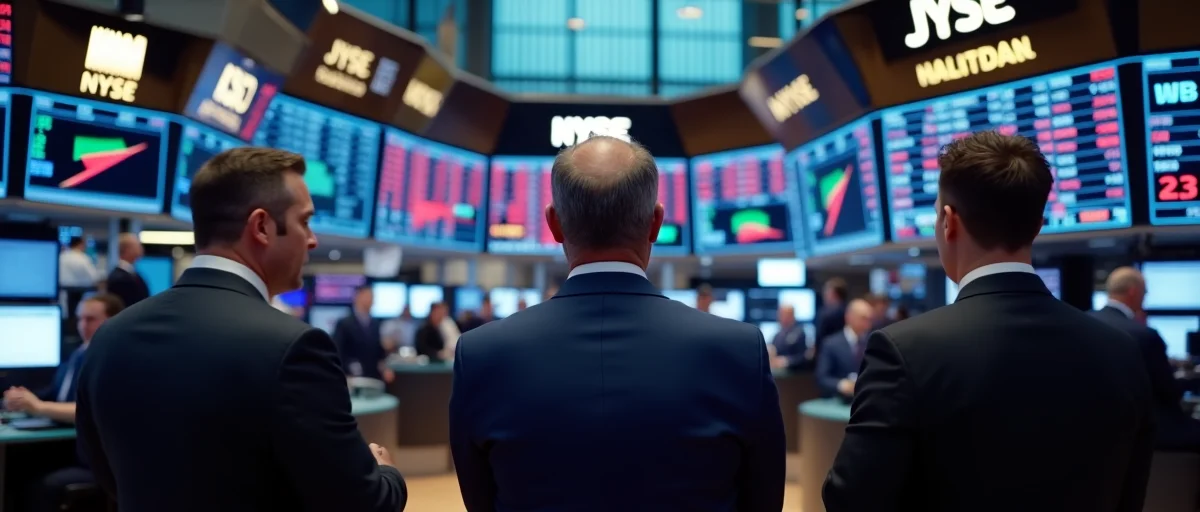
South Korea’s stock market never does things by halves. In a single month, the KOSPI has experienced a dizzying meltdown, a first circuit breaker since 2020, and then a record single-session rebound. It’s exactly the “bipolar” behavior investors associate with an exuberant yet fragile market. For technology professionals tracking the AI semiconductor trade, Korea’s index is now a high-voltage dashboard for global chip sentiment.
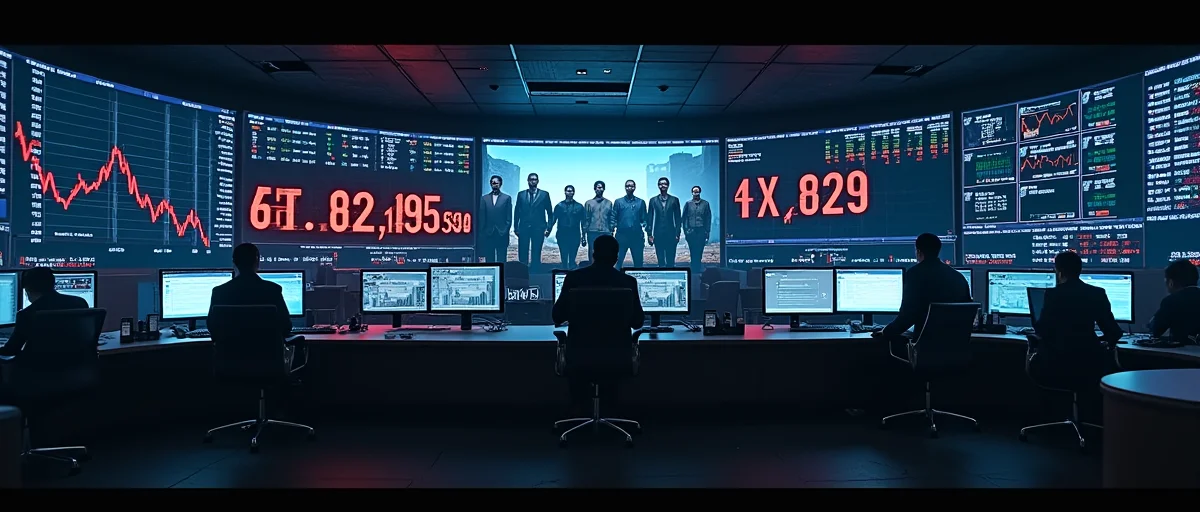
The selloff began with a convergence of global macro shocks. Investors worried about slowing growth, hot inflation, and a tech-sector de-risking wave. On the ground in Seoul, the KOSPI lost 8.8% in a single day—one of the steepest drops in recent memory. The Korea Exchange expanded its circuit breakers to halt the slide, a step not taken since 2020.
But the trigger was external, not a sudden collapse in corporate Korea. “Forced deleveraging” hit leveraged positions hard, especially in high-flying semiconductor names. The market’s high-beta nature meant that when global investors rotated out of AI-exposed stocks, Korean equities suffered disproportionately. As one market strategist told CNBC, “The Korean market is a high-beta play on the global AI and semiconductor trade. When sentiment shifts, Seoul feels it more than most.”
Importantly, corporate fundamentals did not deteriorate overnight. Earnings at major exporters remained solid. The issue was positioning—too many investors were crowded into the same trade.
The rebound was as explosive as the crash. The KOSPI reversed sharply on the following Friday, capping a month of wild swings with a record single-session reversal. The catalyst was a combination of factors:
“The sharp reversal shows how much of this move is about positioning and flows, not a sudden deterioration in Korean fundamentals,” one analyst quoted by CNBC noted.
The speed caught many off guard. Markets that drop on leverage often snap back when leverage recedes. But this whiplash also signals that the index is extremely sensitive to sentiment shifts, leaving little room for complacency.
Behind the KOSPI’s volatility lies a structural issue: extreme concentration. Samsung Electronics and SK Hynix together make up more than 20% of the index. Over the past year, this concentration has increased by almost 20% as AI memory-chip demand boomed.
This gives the index a binary character:
For technology professionals, this is the critical takeaway: South Korea is effectively a leveraged proxy for AI chip expectations. When global investors think about high-bandwidth memory, data-center GPUs, or custom AI accelerators, they are simultaneously placing a bet on Seoul’s largest stocks. This concentration is a risk factor that cannot be diversified away by simply owning the index.
For those watching AI infrastructure from a technology and product perspective, the KOSPI is more than a financial index. It is a real-time barometer of the health of the memory-chip supply chain, a core building block for data centers and AI models.
When the KOSPI crashed, it reflected worries that AI memory demand was peaking. When it rebounded, it signaled that the order books at SK Hynix and Samsung remained strong, particularly for HBM products designed for advanced accelerators.
This close relationship creates an opportunity for technologists: tracking Korean chip exporters can offer leading indicators for AI deployment, capacity planning, and supply chain trends. But it also means that broad market commentary about “South Korean stocks” often simplifies what is fundamentally a semiconductor story.
The key question is sustainability. After the record rebound, can the KOSPI hold its gains? Several factors will determine the answer:
Market data suggests KOSPI volatility tied to AI chip sentiment has surged 50% during the recent meltdown-rebound cycle. Meanwhile, domestic retail investor participation is up 15% over the past 12 months, adding liquidity but also contributing to momentum-driven swings.
“The semiconductor cycle remains intact, but expect continued volatility until there is more clarity on global growth and interest rates,” an investment strategist commented.
For technology professionals and investors, the lessons from this episode are actionable:
The KOSPI’s “bipolar” label isn’t fading. As long as chip stocks dominate the index and global investors use Korea to trade AI expectations, extreme volatility will remain the norm.
South Korea’s stock market offers a fascinating, but dangerous, window into the global AI semiconductor trade. The meltdown triggered by external forces, and the record rebound that followed, highlight how much of the market is driven by positioning and sentiment. For investors, the key is to respect the concentration risk and to treat the KOSPI as a high-beta bet on technology, not as a diversified Asian index. Watch the chip cycle, watch global rates, and keep your position sizes in check.
The KOSPI is South Korea's main stock market index, tracking all common stocks listed on the Korea Exchange. It matters globally because it is heavily weighted toward semiconductor giants like Samsung Electronics and SK Hynix, making it a key barometer for AI chip sentiment and the broader technology supply chain.
The KOSPI has a high-beta profile because it is dominated by cyclical tech and semiconductor stocks that are sensitive to global growth and AI investment trends. When global investors shift capital into or out of AI-exposed equities, South Korean stocks tend to move more sharply than the broader U.S. or European markets.
The crash was triggered by a convergence of global macro shocks, including slowing growth, hot inflation, and a tech-sector de-risking wave. Forced deleveraging hit leveraged positions from global investors who had crowded into semiconductor names, amplifying the selloff even though corporate fundamentals remained solid.
A circuit breaker is a regulatory mechanism that temporarily halts trading when an index falls by a predetermined percentage, designed to prevent panic selling and give investors time to assess information. In the KOSPI case, the Korea Exchange expanded its circuit breakers to halt the slide, a step not taken since 2020.
Yes, concentration risk is a genuine concern because the KOSPI's performance is heavily influenced by a few large semiconductor companies like Samsung Electronics and SK Hynix. If AI memory-chip demand weakens or the global tech cycle turns, these stocks can drive outsized losses across the whole index, so diversification is important for investors with heavy Korea exposure.