Sony Pictures surprised audiences by releasing the Jumanji: Open World trailer at San Diego Comic-Con. The sequel to The Next Level promises a thrilling blend of gaming and reality, with an open-world video game spilling into the real world. This fusion of interactive and cinematic storytelling offers a glimpse into the future of immersive entertainment.
The line between our reality and the digital universe is becoming increasingly porous. Nowhere is this more evident than in the newly released trailer for Jumanji: Open World. Dropped unexpectedly at San Diego Comic-Con, the trailer offers a breathtaking vision of a world where an open-ended video game merges with physical streets, buildings, and everyday life. Directed by Jake Kasdan, the film is the fourth installment in the modern Jumanji series and the direct sequel to 2019’s The Next Level. For technology professionals and movie enthusiasts alike, it signals a creative leap in how films can represent interactive media, while serving as a testament to the franchise’s enduring ability to evolve.
Sony Pictures’ decision to drop the trailer during SDCC was a strategic masterstroke. In an era where leaks often hijack planned releases, the studio maintained total secrecy until the moment of reveal. The audience—a mix of film buffs, tech enthusiasts, and gamers—reacted with genuine excitement. Within hours, the trailer dominated social media feeds, sparking discussions about the visual effects, the premise, and what it means for the future of film.
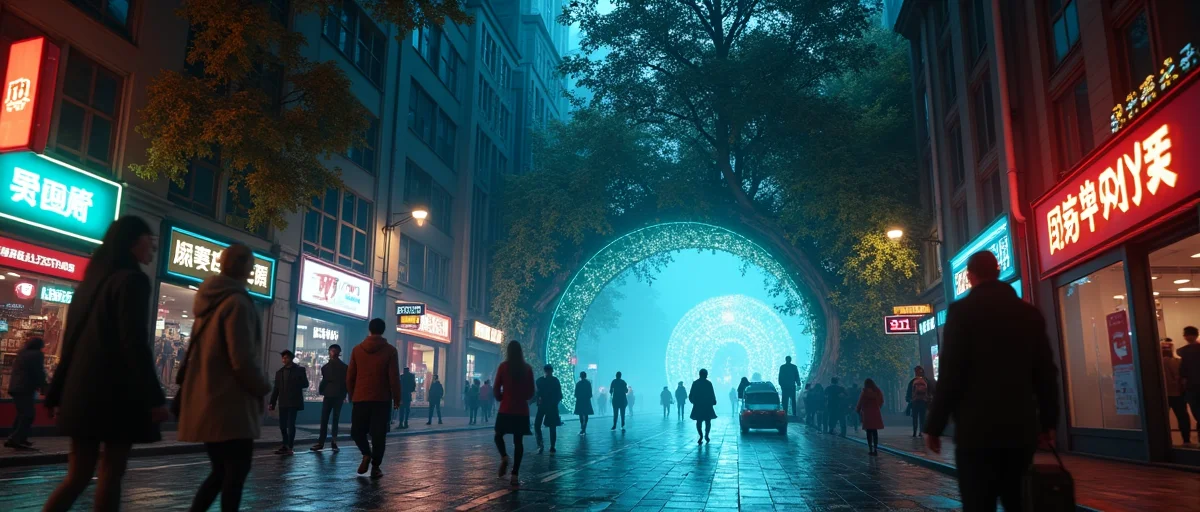
What did we see? The returning cast—Dwayne Johnson, Kevin Hart, Karen Gillan, and Jack Black—are back in their signature avatars. They find themselves in a game world that is no longer confined to a jungle or a mountain. Instead, it bleeds into an urban landscape. A library transforms into a vine-choked ruin; a subway tunnel becomes a goblin-filled dungeon. The open-world concept is literal: the game doesn’t just adapt to where the characters go—it reshapes reality around them.
This timing is a case study in targeted marketing. By aligning the launch with a fan-focused convention, Sony generated organic buzz that felt earned rather than forced. The trailer’s content—a mix of familiar Jumanji chaos and next-generation visual storytelling—resonated particularly well with the tech-savvy audience in attendance.
The Jumanji franchise has always mirrored the evolution of gaming itself. It began with Chris Van Allsburg’s 1981 picture book, a whimsical tale of a board game that brings jungle dangers into a quiet home. The 1995 film starring Robin Williams turned that into a beloved classic. Then came Zathura (2005), a space-based spinoff, and an animated TV series that ran for three seasons but is now largely forgotten.
The franchise was revived in 2017 with Jumanji: Welcome to the Jungle, which brilliantly updated the game to a 1990s video game cartridge. That film and its sequel, The Next Level, collectively revived the IP by leaning into video game logic: avatars, extra lives, and character stats. Now, Open World takes the next logical leap. Open-world games—vast, player-driven experiences like The Legend of Zelda: Breath of the Wild or Grand Theft Auto V—define modern AAA gaming. By adopting this title, the filmmakers signal that the adventure will be less linear, more unpredictable, and fully immersive.
This progression demonstrates a deep understanding of the gaming audience. Each iteration has chosen a game type that was culturally dominant at the time, ensuring the franchise never feels dated. For industry observers, it’s a fascinating example of how IP can stay fresh by embracing new formats.
The term “open world” is more than a marketing label. It implies a design philosophy built on player agency, emergent gameplay, and massive scale. Jumanji: Open World aims to capture that spirit on screen. The trailer hints at multiple biomes—a frozen tundra, a volcanic crater, a neon-drenched arcade level—that characters can move between freely. There are side quests, collectibles, and even cheat codes that twist reality.
For game developers and software engineers, this raises intriguing questions. How does a game world spontaneously generate content? Can a city’s infrastructure be algorithmically turned into levels? The film seems to explore these concepts, making it relevant beyond pure entertainment. The narrative structure likely mirrors open-world design: instead of a single path, the characters must figure out how to tackle problems in multiple ways. Failure is not fatal; they can respawn or try a different approach. This flexibility is a hallmark of the genre and sets up creative set pieces.
Moreover, the film embraces the language of games. We see health bars, quest markers, and inventory systems overlaid onto the real world. This visual vocabulary, familiar to any gamer, becomes part of the aesthetic. For digital artists and UI designers, the integration of these elements into live-action footage presents exciting challenges and techniques.
Creating a film that convincingly merges a game world with reality requires extraordinary technical sophistication. The visual effects team likely employed a combination of practical sets, stunts, and advanced CGI. However, the most intriguing possibility is the use of virtual production techniques similar to those pioneered in The Mandalorian. By using massive LED walls that display real-time rendered environments, actors can react to dynamic, game-like backgrounds with accurate lighting and perspective.
This approach aligns perfectly with the film’s subject. The game world can change instantly—from a sandy desert to a city street—by altering the digital backdrop. The cinematography also appears to borrow from games: sweeping crane shots mimic a camera following an avatar, and first-person perspectives put the audience directly into the action.
Sound design plays a crucial role. The trailer features classic game audio cues: the chime of a level-up, the jingle of collected points, and an orchestral score that swells with adventure. These auditory signals trigger a Pavlovian response in gamers, deepening the connection between the film and the interactive medium it celebrates. For audio engineers and composers, this hybrid soundscape represents a rich area of exploration.
The Jumanji franchise has always been a barometer for how Hollywood interprets gaming culture. From board game to video game to open world, each step reflects the dominant gaming trend of its era. Open World continues this pattern, but it also points toward a future where passive and active entertainment blend even further.
We are likely to see more films that adopt game-like structures—interactive episodes, alternate reality games, or experiences that extend into mobile apps. Studios are already experimenting, but Jumanji’s mainstream appeal could accelerate acceptance. For technology companies, this creates opportunities to develop tools for dynamic storytelling, real-time asset creation, and cross-platform integration.
The film also sets a precedent for how IP can span media. A Jumanji open-world video game, co-developed with a major publisher, seems a natural fit. Such a game could directly tie into the film’s narrative, offering a unique expansion. This kind of synergy—where movie and game feed each other—could become a standard for major franchises.
The Jumanji: Open World trailer did exactly what a great trailer should: it sparked excitement, ignited conversation, and gave us a glimpse of something transformative. For technology professionals, it’s more than a three-minute preview—it’s a window into the future of storytelling, where game logic and reality coexist seamlessly. The film’s release is still months away, but the discussions it has already generated about visual effects, narrative design, and the blurring of media boundaries are worth following.
As we anticipate the next adventure with the Jumanji crew, one thing is clear: the collision between our world and the game world is more thrilling—and more technologically sophisticated—than ever before. This is a film to watch, not just for entertainment, but for the cultural and technical trends it represents.
Jumanji: Open World is the fourth installment in the modern Jumanji franchise and a direct sequel to 2019's The Next Level. The film follows the returning cast as an open-world video game spills into the real world, blending digital environments with urban reality.
In Jumanji: Open World, the game world is no longer confined to a jungle or mountain but reshapes real-world locations like libraries and subway tunnels into game-like ruins and dungeons. This literal open-world concept reflects the non-linear, adaptive nature of modern video games.
The core cast from previous films returns, including Dwayne Johnson, Kevin Hart, Karen Gillan, and Jack Black, reprising their in-game avatars. They are once again transported into the game, which now extends into the real world around them.
The trailer was a surprise debut at San Diego Comic-Con in July 2026, generating immediate buzz across social media. A specific theatrical release date for the film has not yet been announced.
The Jumanji franchise has evolved alongside gaming: from a board game to a console adventure, and now to an open-world experience that merges with reality. This trailer showcases a fusion of interactive and cinematic storytelling, signaling a creative leap for the series.