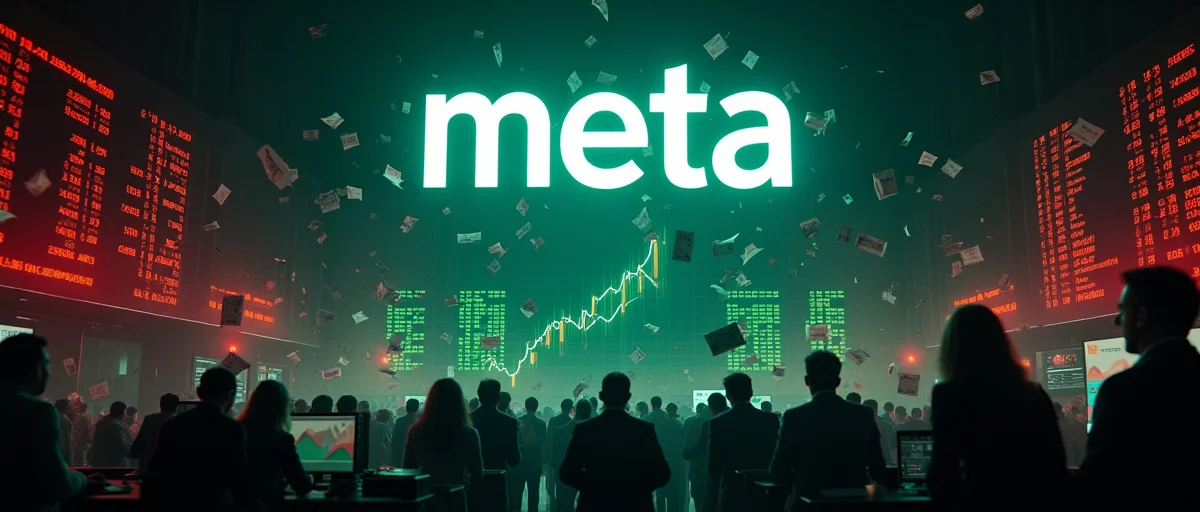
Despite Meta's latest earnings report triggering a sharp sell-off, the underlying long-term thesis remains unchanged. We analyze why this reaction is overblown and outline a strategic plan for technology investors looking beyond the noise.
Meta Platforms reported its latest quarterly earnings and forward guidance, and the market responded with an immediate sell-off. But before you revise your investment thesis, consider this: the reaction appears to be a classic overreaction. Nothing in the report fundamentally changes the company’s long-term trajectory. Here’s our analysis and plan.
Earnings season often brings volatility, and Meta is no exception. The market latched onto specific misses or cautious guidance elements, sending shares lower. This is a pattern we’ve seen before—with Meta and across tech. The reasons cited usually include slowing ad growth, heavy spending on AI and Reality Labs, or competitive pressure from TikTok. These are real challenges, but they are not new. They have been part of the narrative for quarters.
But a closer look reveals that the core business is still generating massive cash flows and user engagement remains robust.
“Nothing we saw today changes our long-term thesis on the stock,” noted a recent CNBC analysis. We agree. The foundational drivers of Meta’s value are still firmly in place.
Meta owns three of the world’s most popular social platforms: Facebook, Instagram, and WhatsApp. Its ability to deliver targeted ads at scale is unmatched. Even with privacy changes and competition, advertisers continue to rely on Meta for reach and return on investment. The integration of AI into ad delivery is already improving ROI for businesses, which should sustain revenue growth.
Meta is pouring billions into artificial intelligence, from content recommendation engines to AI-powered ad tools and advanced language models. These investments are not just defensive—they are creating new products and efficiencies. For long-term investors, this is a moat, not a liability.
The metaverse division is still losing money, but it represents a strategic bet on the next computing platform. Early investments in virtual reality, augmented reality, and digital identity could pay off handsomely over the next decade. Patience is key.
Over the past few years, Meta’s stock has seen dramatic swings—up 100% after one recovery, down 50% during a downturn. Each time, the perceived crisis proved to be a buying opportunity for those who understood the business.
This pattern suggests that short-term fear often ignores long-term fundamentals. The current sell-off may be another repeat.
For technology professionals and enthusiasts who hold Meta shares or are considering an entry point, here is a disciplined approach:
If you already own Meta, do not sell in a panic. The thesis is unchanged. Instead, use the volatility to review your rationale and ensure it still aligns with facts—which it likely does.
If you have cash on hand, now may be an opportune time to average into a position. By buying as the market overreacts, you lower your average cost and increase potential long-term returns.
Ignore daily price moves. Track what matters:
Earnings headlines are designed to attract attention. They rarely capture the full story. Stick to your investment process and avoid reacting to sensationalist takes.
Market overreactions are a feature of public markets, not a bug. Meta’s recent earnings and guidance have triggered a sell-off that appears out of proportion to the actual risk. The company’s core advertising business is still a cash machine, its AI investments are promising, and its long-term bets on the metaverse are still in early innings. For investors with a multi-year horizon, this volatility is simply noise. Our plan: stay the course, focus on fundamentals, and view the pullback as an opportunity. The long-term thesis remains solid, and nothing in this quarter changes that.
The market often overreacts to short-term news like earnings guidance and spending increases. Despite the sell-off, Meta’s core business remains strong with massive cash flows and user engagement. The drop reflects sentiment, not a fundamental shift in the company’s value.
Meta dominates digital advertising with platforms like Facebook, Instagram, and WhatsApp, and its AI-driven ad tools are improving ROI for businesses. Additionally, the company’s heavy investment in AI technology and metaverse development aims to create new growth avenues. These factors, combined with robust user engagement, support the long-term thesis.
Meta is using AI for content recommendation, ad delivery, and developing large language models. These AI investments are expected to enhance user experience and advertiser returns, potentially driving revenue growth. The company is also exploring AI-powered features across its platforms to maintain competitiveness.
While high spending can pressure short-term margins, Meta views these investments as essential for long-term growth. The company has a history of making bold bets that pay off, and strong cash flows from advertising provide a cushion. Investors should focus on whether these investments eventually lead to new revenue sources rather than reacting to quarterly spending levels.
Long-term investors should consider using the dip to add to their positions if they believe in the core thesis. It's important to focus on Meta's user engagement, ad revenue strength, and future AI catalysts rather than short-term price movements. Diversifying within the tech sector can also help manage volatility.