A new study reveals that the Chicxulub impact generated a superheated dust cloud that charbroiled dinosaurs and ignited global wildfires, explaining the sudden mass extinction 66 million years ago. The research builds on the Alvarez hypothesis and demonstrates the power of modern computer simulations to model planetary-scale catastrophes.
Sixty-six million years ago, the age of dinosaurs ended not with a whimper, but with a sizzle. A new study published in the Journal of Geophysical Research: Biogeosciences proposes that the Chicxulub impact generated a vast dust cloud that superheated the atmosphere, effectively charbroiling organisms and igniting wildfires across the globe. For technology professionals, this research showcases how advanced simulation and data analysis are rewriting the history of life on Earth—and sharpening our tools for planetary defense.
The Chicxulub impact was already known to be catastrophic. An asteroid between 11 and 81 kilometers in diameter struck the Yucatán peninsula with an energy release over a billion times greater than the atomic bombs dropped on Hiroshima and Nagasaki combined (source: Ars Technica, 2026). The immediate effects—massive earthquakes, tsunamis, and a global winter from dust and sulfur aerosols—were well-documented. However, the new study adds a critical missing piece: a short-lived but intense heat pulse that roasted the planet’s surface.
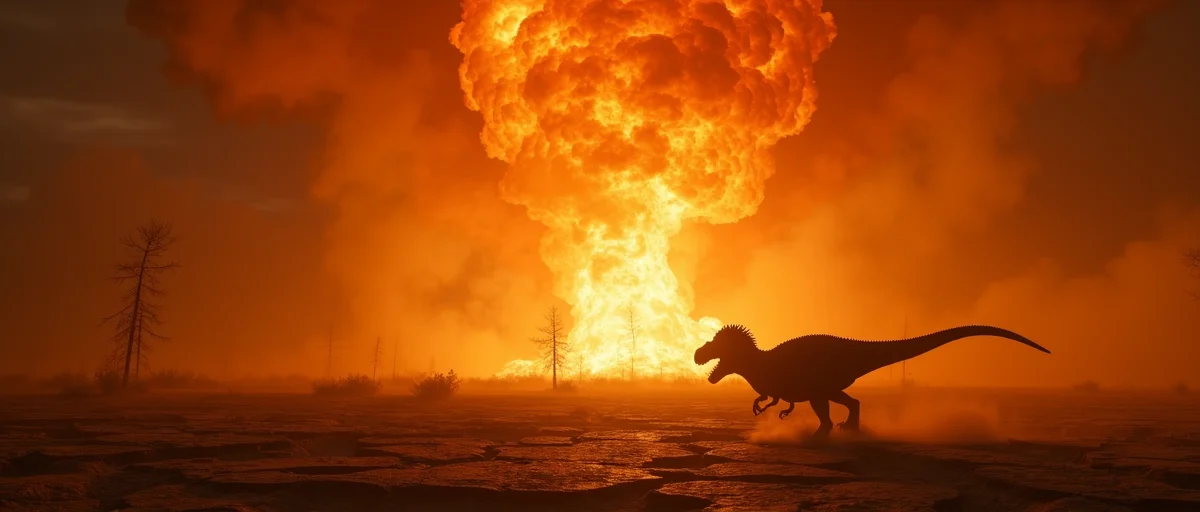
When the impactor hit, it ejected billions of tons of rock and dust into the atmosphere. According to the study, this dust cloud did not simply block sunlight. Instead, it absorbed and re-radiated heat, creating a “thermal blanket” that raised air temperatures to over 300°C (572°F) near the surface. Organisms unable to find shelter were incinerated. The heat also ignited vast wildfires, which further changed the climate and destroyed habitats. This charbroiling effect may explain why many fossils show signs of sudden death in place, without evidence of longer-term starvation or cold.
The Chicxulub crater itself, buried under the Yucatán Peninsula, is over 180 kilometers in diameter and 66 million years old. Drilling projects like those by the International Ocean Discovery Program have recovered cores that reveal shocked quartz, impact melt rocks, and a layer of soot consistent with global wildfires. The new study used these samples to constrain dust particle size and composition, feeding them into climate models. The results showed that ejecta particles smaller than 50 micrometers could remain aloft for days, trapping heat and driving surface temperatures to lethal levels.
The new research builds on the classic Alvarez hypothesis. In 1980, Luis Alvarez and his team discovered a thin layer of iridium—an element rare on Earth but common in asteroids—at the K-Pg boundary worldwide. This provided the first strong evidence that an impact caused the mass extinction. The current study strengthens that theory by explaining how the impact could kill so quickly and so thoroughly. Three-quarters of all plant and animal species were eliminated during the K-Pg extinction event (source: Journal of Geophysical Research: Biogeosciences via Ars Technica, 2026), and the charbroiling mechanism accounts for the observed survival patterns: small, burrowing, and aquatic creatures fared better than large land animals.
Over the past decade, studies focusing on the specific mechanisms of the K-Pg extinction have been rising. Researchers are moving beyond simple impact winter scenarios to examine shorter-term thermal pulses, acid rain, and ozone depletion. This study represents a significant step, providing a cohesive narrative that aligns with geological evidence and extinction selectivity.
For the technology audience, this study is more than a history lesson. It showcases the power of modern computing to model complex systems. Simulating the Chicxulub aftermath required high-resolution climate models, advanced particle physics, and terabytes of data. The same techniques are now used to assess risks from future asteroid impacts.
Currently, projects like NASA’s DART mission and the upcoming NEO Surveyor telescope aim to detect and characterize near-Earth objects. Understanding exactly what an impact does—whether it causes a firestorm, a tsunami, or a nuclear winter—is critical for planning mitigation strategies. This study refines our models, allowing engineers to better predict the consequences of an impact and design deflection systems. For instance, if a future asteroid is large enough to inject dust into the upper atmosphere, the resulting heat pulse could be catastrophic even without a direct hit.
Moreover, the research emphasizes the importance of global cooperation in planetary defense. Extinction-level events are rare, but smaller impacts are common. By studying the worst-case scenario from 66 million years ago, we can prepare for regional catastrophes. Technology professionals can contribute by developing better sensors, communication networks, and automated response systems. The study also highlights the need for open data and collaborative modeling platforms like Asteroid Threat Assessment Project (ATAP).
The new Chicxulub study paints a vivid picture of Earth’s most lethal hour. The dinosaurs weren’t just wiped out by a single blow—they were cooked by the planet’s own atmosphere. This work tightens our understanding of mass extinctions and sharpens our tools for planetary defense. For those in tech, it’s a powerful reminder that data and simulation can unlock mysteries of the past and help secure our future. As we continue to track asteroids and refine our models, we honor the dinosaurs’ legacy by ensuring that humanity doesn’t meet the same charbroiled fate.
This article draws on research published in the Journal of Geophysical Research: Biogeosciences as reported by Ars Technica in 2026.
The charbroiling mechanism refers to the superheated dust cloud generated by the asteroid impact. The cloud absorbed and re-radiated heat, creating a thermal blanket that raised surface temperatures to over 300°C (572°F), incinerating organisms and igniting global wildfires.
The Alvarez hypothesis originally proposed that dust from the impact blocked sunlight, causing global cooling and ecosystem collapse. The new study adds a critical short-lived heat pulse that charbroiled organisms before the cooling, providing a more complete explanation for the sudden extinction and fossil evidence.
Evidence includes fossil records showing sudden death in place, soot layers consistent with global wildfires from the K-Pg boundary, and computer simulations that model the thermal effects of the dust cloud. Drilling cores from the Chicxulub crater also reveal impact melt rocks and shocked quartz.
This study demonstrates the power of modern simulations to model asteroid impact effects in detail. Understanding the full range of catastrophic mechanisms helps planetary defense experts better assess risks and develop mitigation strategies for potential future impacts.
Yes, a sufficiently large asteroid impact could generate a superheated dust cloud and charbroiling effect. However, the probability is low, and ongoing planetary defense efforts aim to detect and deflect such objects before they pose a threat.