After a successful intact splashdown on Flight 13, SpaceX is ready to attempt a tower catch of the Starship ship on its next mission. With new heat shield data, Starlink deployment, and engine restart, the company moves closer to orbital operations.
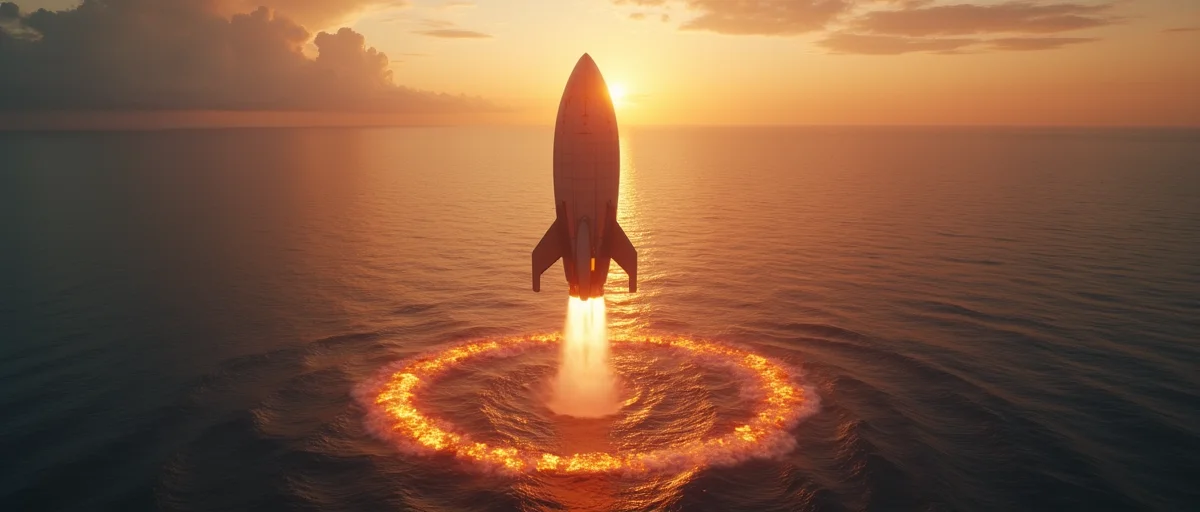
SpaceX’s Starship program crossed a critical threshold on July 24, 2026, with the first intact splashdown of its upper stage in the Indian Ocean. Flight 13 demonstrated that the upgraded heat shield can survive the blistering temperatures of orbital reentry — a prerequisite for reusability. Coming just weeks after the previous test, this flight also delivered two other firsts: deployment of live Starlink satellites and an in-space restart of a Raptor engine. Together, these achievements set the stage for an even more daring attempt: catching the returning Starship with the launch tower. Elon Musk confirmed that the company will try exactly that on the next flight, provided the post-mission review finds no hidden issues.
Flight 13 was the second test of the Starship Version 3 design. The vehicle stands 408 feet (124 meters) tall and is the most powerful rocket ever built. Modifications from earlier versions include improved heat shield attachments, upgraded avionics, and enhanced Raptor engines. The mission launched from SpaceX’s Starbase facility in Texas and sent the ship into a high-speed reentry over the Indian Ocean. While the Super Heavy V3 booster failed to relight its engines for a controlled splashdown, the ship performed nearly flawlessly.
The heat shield’s performance was the standout success. The ship carries over 18,000 ceramic tiles that must endure plasma temperatures reaching 2,600°F (1,430°C) during atmospheric reentry. According to SpaceX and Ars Technica, this flight subjected the shield to higher dynamic pressure than any previous Starship reentry, making it an even more rigorous test.
Dan Huot, SpaceX’s webcast commentator, emphasized:
“This is the first time we’ve put an intact Starship in the water. This is a dream scenario for the team that’s trying to get this heat shield data.”
Post-flight inspections showed that nearly all tiles remained attached, and the underlying structure appeared intact. This marks a dramatic improvement over earlier flights, which ended in fireballs due to heat shield erosion.
With over 18,000 tiles and dozens of protective panels, the Starship thermal protection system is one of the most complex ever built. The successful splashdown validates the design and manufacturing processes. Engineers can now focus on optimizing tile thickness and attachment for mass reduction.
Previous Starship flights suffered catastrophic reentry failures caused by heat shield degradation. Flight 13’s outcome proves that new materials and bonding techniques have solved those issues. This data is critical for certifying Starship for crewed missions under NASA’s Artemis program.
Flight 13 also served as an operational rehearsal for payload deployment and engine relight — both necessary for orbital missions.
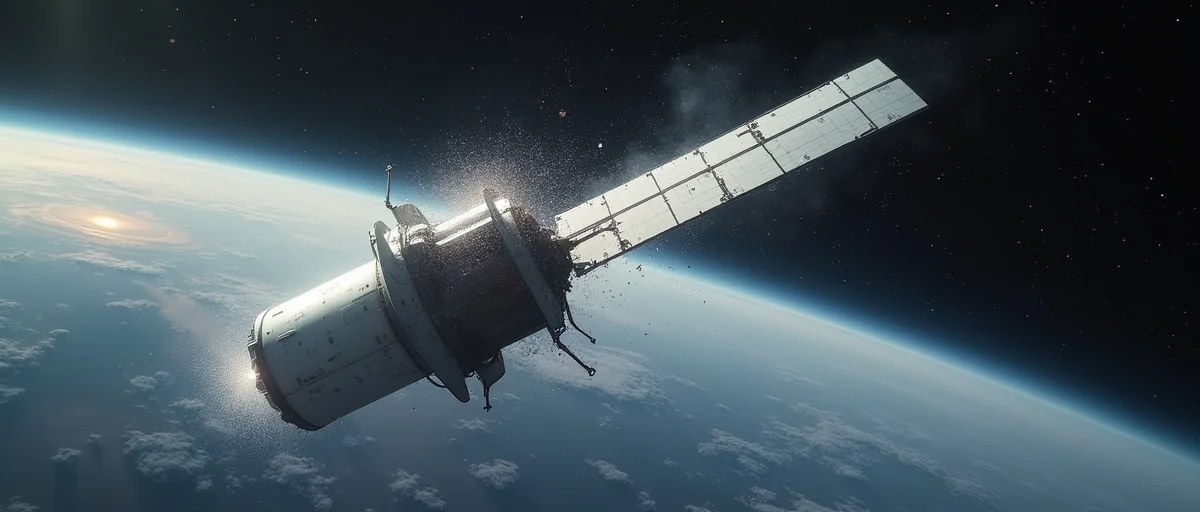
The ship deployed 20 Starlink V3 satellites, which represent the next generation of SpaceX’s broadband constellation. After release, the satellites established communication with ground stations and transmitted telemetry before the ship’s reentry. Though the satellites were not intended to survive, the deployment mechanism and interfaces worked correctly. SpaceX confirmed that all 20 satellites successfully communicated with the ground, providing valuable data for future operational missions.
While coasting in space, the ship performed a 14-second restart of a Raptor vacuum engine. This in-space relight is essential for orbital insertion, raising the orbit, and performing trans-lunar injection. This is the first time Starship has demonstrated such a capability, moving the vehicle closer to multi-burn missions.
The Super Heavy V3 booster did not achieve its planned controlled splashdown. The engines failed to relight for the landing sequence, causing the booster to impact the water without deceleration. Despite this, SpaceX engineers reported improvements in ascent performance and data collection. The root cause appears related to ignition conditions during the landing burn. Solutions may include changes to propellant management or engine startup sequence. The trend, while concerning for immediate operations, shows progress; each flight provides data that inches closer to a successful recovery.
Elon Musk posted on X after the flight:
“Unless we discover problems after mission data review, SpaceX will attempt to catch the ship with the tower on next flight.”
Catching the 165-foot-tall Starship with the launch tower’s mechanical arms would be a world first. SpaceX already catches Super Heavy boosters this way, but extending the technique to the upper stage adds complexity due to its shape and entry orientation. If successful, it would enable rapid turnaround and reduce launch costs dramatically.
Jared Isaacman, who has partnered with SpaceX for future Starship flights, shared his excitement:
“Excited for what will be learned from this mission. When Starship comes online, its capabilities will be game-changing, not least of which will be ensuring we never give up the Moon again!”
Starship is a cornerstone of NASA’s Artemis plan to return astronauts to the Moon. Its ability to carry large payloads and eventually refuel in orbit makes it ideal for extended lunar missions. The data from Flight 13 will inform the design of the human landing system variant.
Looking further ahead, SpaceX envisions Starship as the vehicle to colonize Mars. In-space engine restart and heat shield durability are both essential for Mars entry and landing. Flight 13 brought that vision one step closer to reality.
Starship Flight 13 achieved more in a single mission than any previous test, combining a controlled splashdown with payload deployment and engine restart. The only major shortfall was the booster’s inability to land, but that does not overshadow the ship’s historic performance. With a tower catch attempt planned for the next flight, SpaceX is accelerating toward operational use. The aerospace community is watching closely — and the data from Flight 13 will guide the next steps in humanity’s journey beyond Earth.
It proves that the redesigned heat shield can survive the extreme heat and pressure of orbital reentry, which is essential for reusability. Previous Starship flights ended in destruction, so this success validates the vehicle's design and moves the program closer to operational missions.
A tower catch uses the launch tower's mechanical arms to grab the returning Starship as it hovers near the ground, eliminating the need for heavy landing legs. This approach, already used for the Super Heavy booster, speeds up refurbishment and turnaround time for future flights.
Flight 13 subjected the heat shield to higher dynamic pressure than any previous Starship reentry, yet nearly all of the 18,000 tiles remained attached and the underlying structure was intact. This is a dramatic improvement over earlier flights that suffered from tile loss and structural failure during reentry.
SpaceX also deployed live Starlink V3 satellites for the first time and successfully restarted a Raptor engine in space. These capabilities are critical for future missions involving satellite deployment and orbital maneuvering.
SpaceX plans to attempt a tower catch of the Starship ship on its next flight, pending a successful post-mission review. This would be another major step toward full and rapid reusability of the entire Starship system.