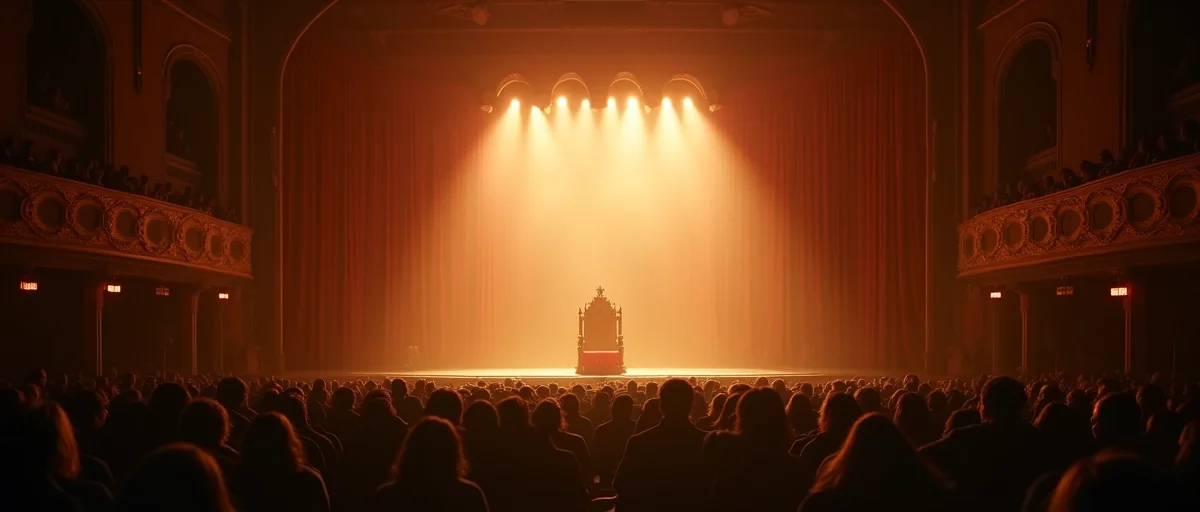
The Royal Shakespeare Company reveals the cast for Game of Thrones: The Mad King, a stage adaptation of A Song of Ice and Fire set to open early next week.
The Royal Shakespeare Company has finally lifted the veil on its most ambitious fantasy production yet. The cast for “George R. R. Martin’s Game of Thrones: The Mad King” is officially revealed. Fans of the epic saga have been anticipating this moment since rumors of the project first surfaced. The production opens next week, making this announcement part of the immediate run-up to the premiere. This stage adaptation draws directly from the beloved A Song of Ice and Fire novels. It is not a copy of the HBO series but a fresh theatrical interpretation. For theater lovers and fantasy fans alike, this is a significant cultural event.
The Royal Shakespeare Company is one of the world’s most respected theater institutions. Its decision to stage a Game of Thrones story marks a landmark moment. This collaboration joins high culture with contemporary fantasy. It could reshape how both audiences and critics view genre material.
The production is based on George R. R. Martin’s source novels rather than the television adaptation. That distinction carries considerable weight. The books contain layers of political intrigue and psychological depth that the show could not fully capture. A stage production, with its emphasis on language and performance, can explore these elements in compelling ways.
This represents a significant expansion of the Game of Thrones franchise. Westeros is no longer confined to television screens. It now occupies a space traditionally reserved for Shakespeare and classical drama. The move signals the franchise’s lasting cultural relevance and artistic ambition.
For the RSC, the production is equally consequential. By embracing fantasy, the company demonstrates its contemporary relevance. It also opens the door for new audiences who may never have attended classical theater. The mutual benefits of this partnership are clear.
The play centers on Aerys II Targaryen, the infamous “Mad King.” His reign and downfall are foundational to the history of Westeros. The events of A Song of Ice and Fire flow directly from his actions. Yet his character has rarely been explored in depth.
Aerys II was the last Targaryen monarch to sit the Iron Throne. His escalating madness triggered Robert’s Rebellion. His death at the hands of Jaime Lannister ended his dynasty. These events set the stage for everything fans have come to love.
Focusing on Aerys II is a smart narrative decision. He is a character of immense consequence but limited direct presence in the series. Theater excels at portraying psychological complexity. A talented stage actor can bring the Mad King’s descent to life in vivid detail.
This approach also enriches the broader story. Understanding Aerys II deepens our understanding of the Targaryen legacy. It provides context for Daenerys’s choices and the realm’s political fractures. Longtime fans will appreciate the additional texture.
The RSC production is part of a broader cultural pattern. Stage adaptations of major fantasy franchises have risen in recent years. Theaters are increasingly drawn to genre material with established fan bases.
This trend makes business sense. Fantasy properties bring built-in audiences to venues. They also challenge outdated assumptions about what constitutes “serious” theater. Productions like this one are expanding the boundaries of the art form.
Fantasy also allows for extraordinary theatrical spectacle. Designers can create immersive worlds using modern lighting, projection, and set design. These technical elements combine with live performance to create memorable experiences. Audiences increasingly expect such ambition.
The success of this production could encourage other theater companies to embrace fantasy. That would be a welcome development for genre fans. It would also provide more work for actors, designers, and technicians. The ripple effects could be meaningful.
This play marks the latest step in the Game of Thrones brand’s evolution beyond television. The original series concluded years ago, but the franchise continues to grow. Prequels, spinoffs, and related media keep the world alive.
The stage production offers a distinctly high-culture extension. Aligning with the Royal Shakespeare Company adds prestige to the franchise. It signals that Game of Thrones is more than just a popular show. It is a lasting contribution to storytelling.
This expansion strategy is common in modern entertainment. Intellectual properties are now treated as ecosystems across media. Each new format reaches different audiences. The stage play appeals to theater enthusiasts who might not watch television series.
It also creates new revenue streams. Live theater commands premium ticket prices. Limited runs build scarcity and urgency. The RSC partnership gives the franchise access to a culturally engaged, affluent demographic.
Technology professionals may find this announcement more relevant than expected. Live theater has embraced cutting-edge technology. Projection mapping, advanced sound systems, and automated staging are now standard. These tools enable the immersive environments fantasy stories demand.
The convergence of technology and performance raises exciting possibilities. Interactive elements could allow audience participation. Augmented reality might enhance the theatrical experience. These innovations are actively being explored across the industry.
Gaming professionals should also pay attention. The Game of Thrones franchise has expanded into video games multiple times. Now it is expanding into live theater. The shared DNA between game design and theatrical production is growing.
Modern theater increasingly relies on real-time rendering and spatial audio. These technologies originate in game development. The skills of game developers are increasingly valuable in live performance. This crossover represents new opportunities for technologists and creatives alike.
With the cast announced, attention now turns to opening night. The production team faces a formidable challenge. Adapting George R. R. Martin’s sprawling world for the stage requires careful creative decisions. Every element must serve the story.
The casting announcement itself is a cause for excitement. The RSC’s ensemble approach emphasizes theatrical craft and character depth. Audiences can expect a distinctive portrayal of familiar figures. This will not be a simple recreation of the television series.
This production also offers something television cannot. Live theater creates a unique shared experience. The presence of performers and fellow audience members adds energy. That communal aspect is impossible to replicate through a screen.
For fans unable to attend, the production’s impact will still resonate. Its reception will influence future fantasy theater opportunities. The cultural conversation around the show will extend beyond the theater itself.
The RSC production sits at the intersection of major entertainment trends. Streaming has transformed how audiences consume narrative content. Interactive media has demonstrated the power of player agency. Live events offer physical presence and immediacy.
These formats are increasingly interconnected. A franchise can now exist across television, games, books, and stage simultaneously. Each platform enriches the others. This convergence is redefining entertainment strategy.
For industry observers, “The Mad King” is a fascinating case study. It demonstrates how to respect source material while adapting for a new medium. It shows that tradition and innovation can coexist effectively. The creative choices made here may inform future projects.
The production’s success could inspire similar partnerships. Studios might see the value of theatrical licensing. Theater companies might recognize fantasy as a legitimate artistic path. This cycle of inspiration could expand what stories are told on stage.
The cast reveal for “George R. R. Martin’s Game of Thrones: The Mad King” is a milestone moment. The Royal Shakespeare Company is bringing Westeros to the stage. The production explores the Mad King Aerys II Targaryen in new depth. It arrives amid a rising wave of fantasy stage adaptations.
Opening next week, the production carries high expectations. Its success will demonstrate the viability of high-fantasy theater. It may set a precedent for future adaptations across the industry. The Game of Thrones franchise continues to evolve in unexpected and exciting ways.
For fans, this is a rare chance to experience a beloved world live. For technology and gaming professionals, it is a reminder that storytelling spans all mediums. The entertainment landscape is more interconnected than ever. The Mad King will be on stage soon, and the realm is watching.
It is a stage production by the Royal Shakespeare Company based on George R.R. Martin's A Song of Ice and Fire novels, not a replica of the HBO series. The play focuses on Aerys II Targaryen, the 'Mad King,' and his impact on the history of Westeros. It is set to open early next week.
The production draws directly from Martin's source novels, allowing it to explore political intrigue and psychological depth through language and performance. It is described as a fresh theatrical interpretation rather than a copy of the television adaptation. This approach lets the RSC emphasize elements the show could not fully capture.
According to the article, the production opens early next week, with the announcement timed to the immediate run-up to the premiere. It is being staged by the Royal Shakespeare Company, though the specific venue is not mentioned in the article. Fans should check the RSC's official channels for exact dates and booking details.
Aerys II Targaryen, known as the Mad King, was the last Targaryen ruler on the Iron Throne. His erratic and cruel reign led to Robert's Rebellion, and his death marked the end of the Targaryen dynasty. His actions set the entire story of A Song of Ice and Fire in motion, making him foundational to the saga's history.
The collaboration between the RSC and Game of Thrones represents a significant crossover between high culture and contemporary fantasy. It could reshape audience and critic perceptions of genre material and open classical theater to new audiences. For fans, it signals that the franchise is expanding beyond television into prestigious artistic spaces.