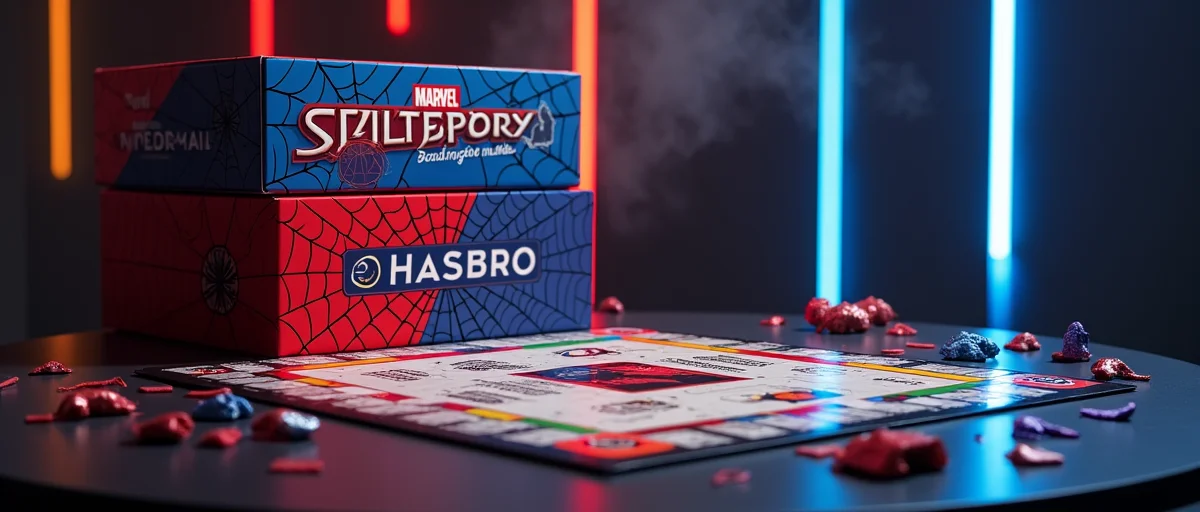
Hasbro is re-releasing beloved board games with Spider-Man-themed designs and gameplay, capitalizing on the upcoming film 'Spider-Man: Brand New Day.' This strategic move taps into a booming board game market and the enduring power of licensed merchandise, creating new opportunities for fans and collectors alike.
Hasbro is betting big on Marvel’s favorite wall-crawler. The toy giant is re-releasing several of its most iconic board games with Spider-Man-themed graphics and gameplay, aiming to capitalize on the massive anticipation for Spider-Man: Brand New Day. This bold move pairs a $13.8 billion board game industry with the enduring appeal of a superhero who has dominated pop culture for decades.
For technology professionals and entertainment enthusiasts, this is more than a nostalgic cash-in. It is a case study in how data-driven licensing, cross-industry partnerships, and fan psychology converge to create products that resonate across generations. Let’s explore what Hasbro’s Spider-Man board games mean for the market, the movie, and the future of play.
The upcoming Spider-Man: Brand New Day is generating serious buzz. Industry projections suggest the film could challenge Avengers: Endgame for the largest North American opening in history. That level of excitement creates a massive window for merchandising, and Hasbro is positioning itself directly in that spotlight.
Movie tie-ins are nothing new, but timing is everything. By aligning product releases with the film’s promotional cycle, Hasbro ensures its Spider-Man board games hit shelves when consumer enthusiasm is peaking. Social media chatter, trailer drops, and fan theories all amplify the demand for related products — and Hasbro is leveraging that momentum with a wave of themed classics.
For brands, this represents a clear lesson: synchronize product launches with cultural moments to maximize visibility and sales. The Spider-Man board games are not just toys; they are part of a larger ecosystem driven by film releases, streaming, and fan communities.
While specific titles vary, the concept is straightforward. Hasbro is taking its most successful board games — think Monopoly, Sorry!, and Trouble — and giving them a Spider-Man makeover. But this is not just a new coat of paint. The gameplay is being adapted to reflect Spider-Man’s world, with missions, villains, and powers woven into the mechanics.
These editions are designed to appeal to both family audiences and serious collectors. For families, the familiar mechanics make it easy to jump in. For collectors, the detailed artwork, exclusive packaging, and gameplay variants offer something special to display or play with friends.
The strategy is smart: rather than creating entirely new games with uncertain market acceptance, Hasbro is modifying proven hits with a superhero twist. This reduces risk while maximizing attention during the movie hype cycle.
The decision to release Spider-Man-themed board games is backed by robust market data. The global board games market was valued at approximately $13.8 billion in 2023, according to Grand View Research. And it’s growing — analysts project a 9.3% compound annual growth rate from 2024 to 2030. This is not a shrinking niche; it’s a thriving industry fueled by both analog nostalgia and a post-pandemic appetite for in-person entertainment.
Licensed merchandise is equally impressive. Licensing International reported that global licensed merchandise sales reached $322.1 billion in 2023, up 4.1% from the previous year. Board games are a significant slice of that pie, especially when they feature characters with passionate fan bases. Spider-Man, one of the most recognizable superheroes on the planet, is a natural fit.
Consider Monopoly’s legacy. Hasbro notes that approximately 275 million copies of Monopoly have been sold worldwide. That enduring popularity shows why the company is willing to reimagine its classics with fresh themes. A Spider-Man edition instantly inherits that built-in audience while attracting new players who might not otherwise pick up a classic board game.
The board game market’s steady climb is driven by several factors: a desire for screen-free social interaction, the rise of tabletop gaming as a hobby, and the collectible nature of special editions. When you add a beloved character like Spider-Man, you also tap into the emotional connection fans have with the franchise.
Licensed board games offer a win-win. Studios increase their merchandising revenue without diluting their core product. Toymakers gain access to a ready-made fan base, reducing customer acquisition costs. Consumers get a fresh take on a familiar experience. It’s a circular economy that benefits every stakeholder.
Why are consumers drawn to a Spider-Man version of a game they already own? The answer lies in the psychology of fandom. People don’t just watch movies; they want to step into those worlds. Board games provide an interactive, tactile way to experience a story or universe with friends and family.
For families, these games offer a reason to gather around a table. Parents who grew up with Spider-Man can share that joy with their children, while kids get to play with a modern superhero they already love. This intergenerational appeal is powerful — it turns a simple game night into a shared memory.
For collectors, the appeal is different. Licenses editions often feature exclusive artwork, unique components, or limited runs. They become display pieces, conversation starters, and investments. Hasbro knows this well; limited-edition Monopoly sets have sold out quickly in the past.
These details turn a standard board game into a branded experience. And for tech-minded consumers, the integration of digital components hints at the future of hybrid tabletop gaming.
Hasbro’s move is part of a larger trend. Movie studios and toy companies are collaborating more closely than ever to ensure merchandise is ready when tentpole films hit theaters. This partnership extends beyond traditional action figures into every corner of consumer products, including board games.
The logic is simple: a blockbuster movie creates a temporary spike in consumer interest. Brands that can move quickly and offer high-quality licensed products capture that demand. Studios benefit from toys that extend the film’s lifespan beyond the cinema, keeping the brand alive in living rooms long after the credits roll.
For tech professionals, this signals a shift in how entertainment and consumer goods intersect. Data analytics, audience targeting, and supply chain coordination are now critical to launching successful movie tie-ins. Hasbro isn’t just printing Spider-Man on a box; it is studying fan behavior, market trends, and retail dynamics to optimize every release.
The announcement of these Spider-Man board games will likely dominate social feeds. Unboxing videos, gameplay streams, and collector hauls generate massive organic reach. Hasbro and Marvel can amplify this with influencer partnerships and targeted ads, creating a digital ecosystem around a physical product.
This is not just about selling games; it’s about building a narrative. Every time a fan shares a photo of their Spider-Man Monopoly board, they’re promoting the movie and the product simultaneously. That kind of synergy is invaluable.
Looking ahead, the partnership between Hasbro and Marvel is likely to deepen. The board game market is growing, licensed merchandise is climbing, and movie tie-in products are becoming more sophisticated. Expect more crossovers, limited editions, and interactive experiences that merge physical play with digital storytelling.
Trends suggest this is just the beginning. The 9.3% CAGR for board games points to sustained growth. As studios plan multiple superhero releases each year, toy companies will have a steady pipeline of themes to explore. Spider-Man is just the start — imagine branded editions for other Marvel heroes, DC characters, or even original streaming series.
For technology professionals, the intersection of IP licensing, consumer behavior, and product innovation offers fertile ground for new business models. Whether you work in gaming, e-commerce, or digital media, understanding this ecosystem can provide valuable insights into how cultural moments translate into commercial opportunities.
Hasbro’s Spider-Man board games are a strategic response to a perfect storm: a growing board game market, a $322.1 billion licensed merchandise industry, and a movie that could break box-office records. By transforming beloved classics with Spider-Man-themed graphics and gameplay, Hasbro is simultaneously honoring its heritage and building for the future.
The key takeaways? Licensed board games offer reliable revenue streams, movie tie-ins maintain cultural relevance, and classic games provide a stable foundation for creative reinvention. For consumers, these games offer a fresh way to connect with favorite characters. For professionals, they’re a case study in data-driven licensing, cross-platform marketing, and the enduring power of play. Watch for these titles on shelves — and watch how they redefine what a board game can be.
Hasbro is re-releasing classic board games like Monopoly, Sorry!, and Trouble with Spider-Man-themed designs and gameplay. These are iconic games that get a superhero makeover to tie in with the upcoming movie.
The games feature Spider-Man graphics and adapted mechanics, including Spidey missions, villains, and powers woven into the gameplay. While the core rules remain familiar, the new elements add a superhero twist that reflects Spider-Man's world.
The release is timed to coincide with the hype for 'Spider-Man: Brand New Day.' By aligning with the film's promotional cycle, Hasbro can ride the wave of fan excitement and the $13.8 billion board game market to maximize visibility and sales.
No, these games are designed for both casual players and Spider-Man fans. The superhero elements are added to enhance the experience, but the underlying rules are accessible to anyone who enjoys classic board games.
Hasbro's strategy shows that pairing beloved intellectual property with classic tabletop games can attract new audiences and boost sales. Expect more IP-driven board games that leverage movie releases and nostalgia to create fresh opportunities for fans and collectors.