
The debut Clayface trailer at San Diego Comic-Con signals a bold move into body horror for the DCU, with James Watkins directing and Alan Tudyk voicing Matt Hagen. This origin story promises to redefine superhero genre boundaries and showcase cutting-edge visual effects.
The first trailer for James Watkins’ Clayface debuted at San Diego Comic-Con, immediately igniting discussions among fans and professionals alike. As part of the DCU’s “Gods and Monsters” arc, the footage leans heavily into body horror—a genre usually reserved for horror films rather than superhero blockbusters. For technology professionals and enthusiasts, this represents a compelling case study in modern visual effects, prosthetics, and narrative integration. The film, originally a passion project for Mike Flanagan, now falls under Watkins’ direction, and promises to explore the tragic origin of Matt Hagen—the most iconic incarnation of the shapeshifting villain. This bold move signals a mature direction for the DCU, potentially redefining audience expectations for superhero cinema.
Debuting to a packed crowd at SDCC, the Clayface trailer set a tone unlike any previous DCU project. Instead of focusing on spectacle and action, the footage prioritized disturbing psychological and physical transformations. This approach aligns with the broader “Gods and Monsters” phase, which aims to explore the darker, more complex corners of the DC universe. The choice of Matt Hagen as the central character—a man who gains the ability to reshape his appearance at the cost of his sanity—is a perfect vehicle for such mature themes.
Alan Tudyk returns to voice the character after first portraying Clayface in Creature Commandos. His involvement provides continuity within the DCU, but the transition from animated to live-action (or hybrid) presents unique creative and technical opportunities. Tudyk’s performance will likely serve as the emotional anchor, even as the character undergoes grotesque metamorphoses.
The Clayface trailer taps into a growing appetite for body horror within the superhero genre. According to industry analysts, this trend began gaining traction in 2025 and is expected to accelerate through 2026. Audiences are increasingly drawn to stories that confront physical and psychological transformation in raw, unfiltered ways. Films like The Substance and Crimes of the Future have tested these waters, but Clayface marks a mainstream integration of the aesthetic.
From a technical perspective, effective body horror requires a seamless blend of CGI, practical prosthetics, and motion capture. For a character like Clayface, whose entire body is malleable, the visual effects team must innovate to make the transformations appear both shocking and believable. This likely involves advanced fluid dynamics simulation and real-time rendering engines to achieve the necessary plasticity and weight of the clay-like material. Such tools are increasingly common in horror and sci-fi, but their application in a superhero context pushes boundaries.
The decision to focus on Matt Hagen is a narrative masterstroke. In DC lore, Hagen was a struggling actor who discovers a mysterious protoplasmic substance that grants him shapeshifting abilities. Initially using this power for personal gain, he soon descends into madness as his identity fractures—a classic tragedy of addiction and obsession. The trailer reportedly captures this descent, with disturbing scenes of Hagen losing control of his form and his mind.
Tudyk’s performance is crucial. His vocal work in Creature Commandos established a distinct characterization, and bringing that into the film ensures continuity. However, the shift to a live-action context requires a different approach. The actor likely worked closely with movement coaches and performed in a motion capture suit to translate his performance into the digital realm. This hybrid process is standard for characters requiring full CG representation while preserving the actor’s emotional subtleties.
The project’s journey from Mike Flanagan to James Watkins is itself a story. Flanagan, known for his critically acclaimed horror series such as The Haunting of Hill House and Midnight Mass, was originally attached to write and direct. His vision would have emphasized character psychology and slow-burn horror. However, due to scheduling conflicts, Flanagan stepped away, and Watkins—director of The Woman in Black and Eden Lake—took over.
Watkins brings a different sensibility. His films often rely on suspense and grounded terror, which could translate into a Clayface that feels more immediate and visceral. While Flanagan’s version might have been more introspective, Watkins is likely to emphasize practical effects and drawn-out tension. The change highlights the flexibility of DCU’s creative process, where projects evolve according to the talents involved.
Clayface is a cornerstone of the first chapter of the DCU, aptly titled “Gods and Monsters.” This phase introduces a spectrum of characters ranging from the divine (Superman) to the grotesque (Swamp Thing, Clayface). By including a film that leans so heavily into body horror, the DCU signals its willingness to expand beyond conventional superhero storytelling and embrace genre diversity.
For technology professionals, this is an exciting development. The integration of cutting-edge VFX, sound design, and animatronics promises to set new standards for creature effects. The DCU’s commitment to a cohesive universe means that the technology developed for Clayface could be repurposed for other characters, creating a library of tools for future productions.
Creating a convincing Clayface requires a multi-pronged VFX strategy. Based on industry trends, the production likely utilizes:
This combination of old-school technique and modern digital artistry ensures the body horror feels authentic and visceral, rather than cartoonish.
Early responses suggest the trailer achieved its goal: sparking curiosity and conversation. Social media platforms lit up with discussions about the film’s tone and visual fidelity. Many praised the DCU for taking risks, while some expressed concern about the intensity of the horror elements. For industry professionals, the trailer is a showcase of what is possible when directors are willing to push boundaries and invest in high-quality effects.
The Clayface trailer has ignited interest not only in the character but also in the trajectory of the DCU. By diving headfirst into body horror, the film promises to be a unique and memorable entry in the superhero genre. For technology professionals, it offers a masterclass in the convergence of practical and digital effects. As the release date approaches, Clayface stands as a testament to the DCU’s ambition to tell diverse, daring stories. Whether you approach it as a fan of comics, horror, or visual effects, this is a project that demands attention.
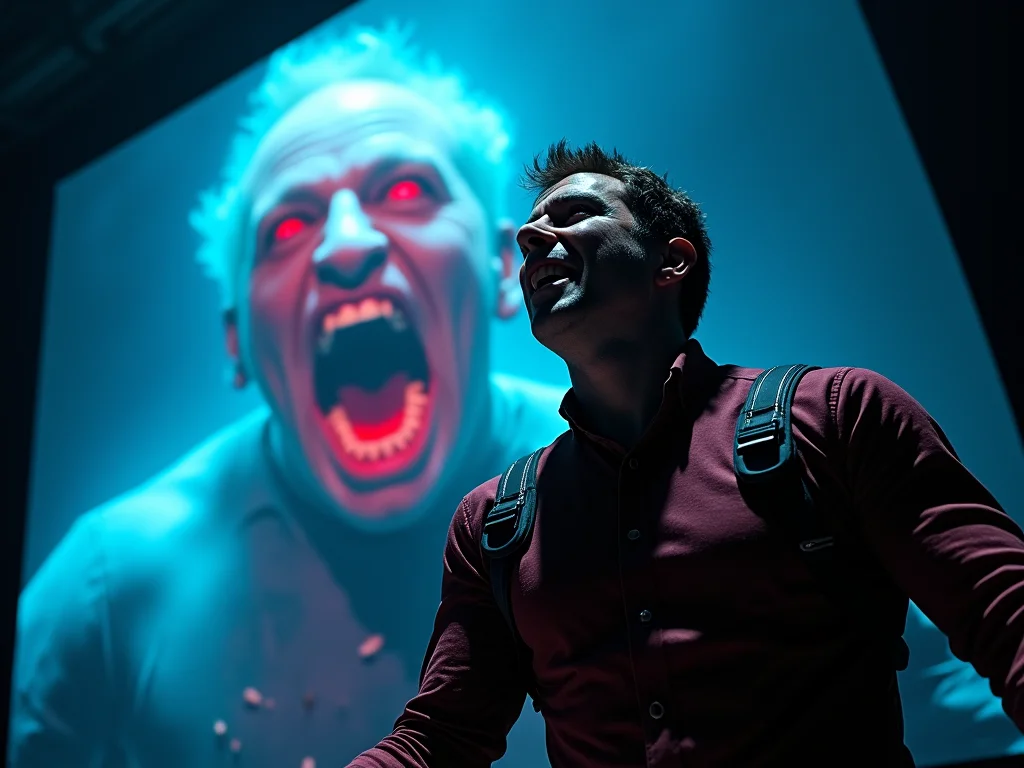



The Clayface film focuses on the tragic origin of Matt Hagen, a shapeshifting villain who gains his abilities at the cost of his sanity. Unlike typical DCU blockbusters, the trailer emphasizes disturbing psychological and physical transformations, leaning heavily into body horror to create a mature, horror-infused superhero story.
The film is directed by James Watkins, known for horror films, and comes from a passion project originally developed by Mike Flanagan. Alan Tudyk provides the voice of Clayface, reprising his role from the animated series Creature Commandos to ensure continuity within the DCU.
The 'Gods and Monsters' arc aims to explore darker, more complex corners of the DC universe. The Clayface trailer aligns with this by prioritizing psychological horror and grotesque transformations over spectacle, signaling a mature and experimental direction for the franchise.
Industry analysts indicate that audiences are increasingly drawn to stories that confront physical and psychological transformation in raw, unfiltered ways. This trend began gaining traction in 2025 and is expected to accelerate through 2026, with films like The Substance and Crimes of the Future paving the way.
Bringing Clayface to life requires cutting-edge visual effects and prosthetics to depict fluid, grotesque transformations in a believable manner. The article highlights the integration of practical effects with digital CGI to achieve the body horror aesthetic, presenting a compelling case study for modern visual effects.