Discover how the Ydata ChatGPT Configurator, an open-source tool built in Rust, simplifies ChatGPT and Codex API configuration. It offers one-click setup, cross-platform support, white-label rebranding, and enterprise customization, drastically lowering technical barriers for developers and businesses.
The rise of large language models (LLMs) has unlocked unprecedented capabilities for developers and businesses. However, configuring APIs for services like ChatGPT and Codex often presents a steep learning curve. Enter the Ydata ChatGPT Configurator, an open-source tool designed to streamline this process. This innovative solution offers one-click setup, cross-platform support, and enterprise-level customization, making it accessible for both individual developers and large organizations.
Integrating ChatGPT or Codex into applications requires navigating API keys, model selection, language settings, and error recovery. For many developers, especially those new to LLMs, this can be a confusing and time-consuming process. Configuration errors lead to wasted hours, increased costs, and delayed deployments. The Ydata ChatGPT Configurator directly addresses these pain points by providing a unified, user-friendly interface that automates the most complex steps.
Sponsored by Ydata, the ydata-chatgpt-configurator is an open-source project that redefines how developers interact with AI model APIs. It serves as a configuration assistant for both ChatGPT and Codex, enabling users to:
By abstracting away the underlying complexity, the configurator lets developers focus on building applications rather than wrestling with configuration files.
One of the standout features is the ability to apply Chinese language settings with a single click. This capability is crucial for developers targeting Chinese-speaking markets or working with localized datasets. The safe recovery option also ensures that if something goes wrong, users can quickly revert to a stable configuration without data loss.
The tool supports both Windows and macOS, covering the vast majority of desktop development environments. This universality means teams with mixed operating systems can adopt the same configuration workflow, simplifying collaboration and reducing onboarding friction.
For agencies and enterprises that resell AI solutions, the white-label rebranding feature is a game-changer. The configurator can be fully customized with a company’s logo and branding, allowing businesses to present a polished, proprietary tool to their clients. This capability significantly enhances brand value and client trust.
Being open-source, the project invites continuous improvement from the developer community. Users can audit the code for security, suggest features, or contribute directly. This transparency builds trust and ensures the tool evolves alongside the fast-paced AI ecosystem.
Under the hood, the Ydata ChatGPT Configurator is built with Rust, a language praised for its performance, safety, and concurrency. Rust’s memory safety guarantees make it an excellent choice for handling sensitive API keys and network communications.
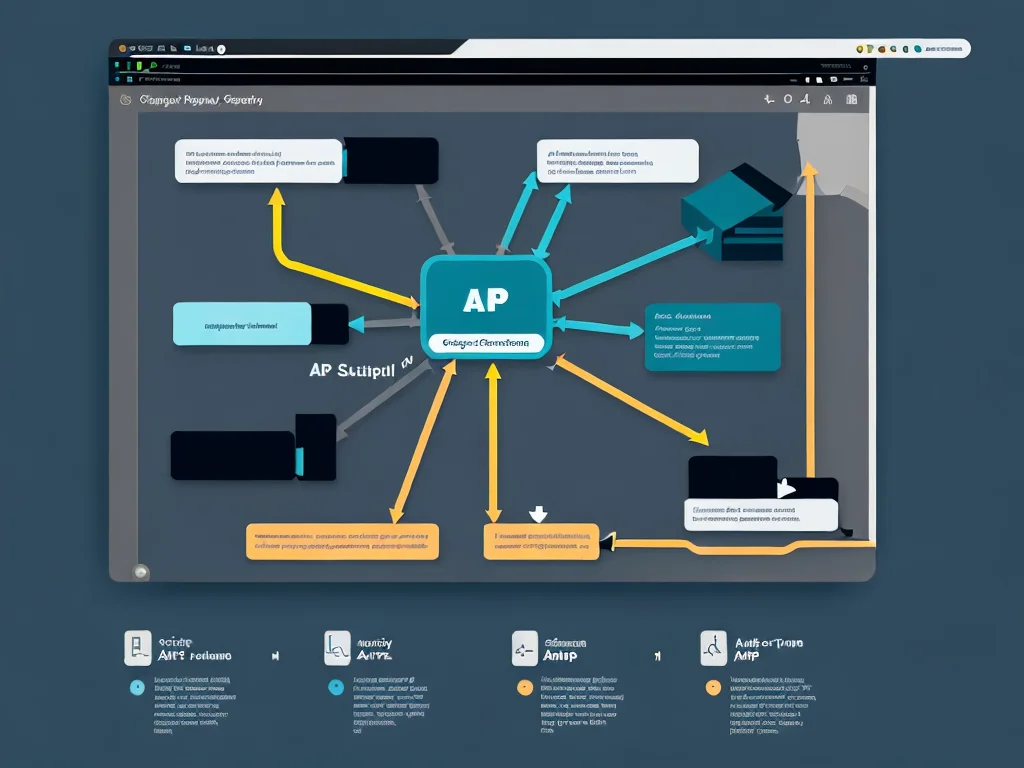
The core of the architecture is the API Relay mechanism. This relay acts as an intermediary between the user’s application and the ChatGPT/Codex endpoints, intelligently managing requests, retries, and error handling. The relay can also cache configurations, reducing latency and API call costs. By leveraging Rust’s speed, the tool delivers near-instantaneous configuration changes, even in complex enterprise environments.
Imagine you’re prototyping a chatbot that uses ChatGPT to answer customer queries. Instead of manually setting environment variables, loading models, and handling locale settings, you launch the configurator. You paste your API key, select gpt-3.5-turbo, enable Chinese support, and hit apply. The relay starts immediately, and you’re ready to test in minutes, not hours.
A consulting firm wants to deploy a Codex-based code assistant for multiple clients. Using the white-label rebranding, they customize the configurator with their own logo and deploy it to each client environment. The one-click recovery feature allows non-technical support staff to reset configurations without developer intervention, reducing support tickets and downtime.
A company expanding into China needs all its AI integrations to work seamlessly with Chinese language models. The configurator’s one-click internationalization instantly sets the correct locale, character encoding, and prompt templates. This eliminates the manual trial and error that often plagues localization efforts.
Adopting the Ydata ChatGPT Configurator is straightforward:
git clone https://github.com/yan9651688/ydata-chatgpt-configurator.cargo build --release.The project’s documentation provides detailed instructions, including examples for integrating the relay into existing Node.js, Python, or Rust applications. Because the tool is open-source, the community frequently contributes tutorials and plug-ins, expanding its utility.
As AI models continue to proliferate, the need for simplified configuration tools will only grow. The Ydata ChatGPT Configurator is poised to become a standard component of many development stacks. Plans for future releases include support for additional models (e.g., LLaMA, Claude), a graphical user interface for non-developers, and enhanced analytics dashboards. The Rust foundation ensures that the tool remains performant and secure as features expand.
Developers and enterprises are encouraged to contribute to the project, whether by reporting issues, suggesting features, or writing extensions. The vibrant open-source community around Ydata’s tools means that contributions are quickly reviewed and integrated.
The Ydata ChatGPT Configurator represents a significant leap forward in making large language model APIs accessible to everyone. By combining a user-friendly interface with robust features like one-click internationalization, cross-platform support, and white-label branding, it removes the traditional barriers to AI adoption. Its Rust-based architecture guarantees speed and reliability, while the open-source license fosters trust and innovation.
Actionable takeaways:
The era of frictionless AI integration is here—start with the Ydata ChatGPT Configurator.
The Ydata ChatGPT Configurator is an open-source tool built in Rust that simplifies the configuration of ChatGPT and Codex APIs. It provides a unified interface for managing API keys, model selection, language settings, and error recovery, making integration easier for both individual developers and large organizations.
The tool includes a dedicated button that automatically applies Chinese language settings to your configuration with a single click. This is especially useful for developers building applications for Chinese-speaking markets or working with localized datasets, and it comes with a safe recovery option to revert if needed.
Yes, it is an open-source project sponsored by Ydata and available at no cost. Developers can freely access, modify, and distribute the source code, and contribute to its development on platforms like GitHub.
Yes, the configurator offers an Agent white-label rebranding feature that allows consultancies, resellers, and enterprises to replace the default branding with their own. This makes it suitable for customized deployment to clients or internal teams.
The tool currently supports Windows and macOS, ensuring cross-platform compatibility for a wide range of developers. This allows you to use the same configuration assistant regardless of your operating system.