Discover tianjian518/casgen: a Python tool converting cloud drive media to CAS format locally, integrating with Docker Hub for automated builds and storage savings.
For the standard software developer, a 50 MB dependency is a heavy burden. For the media engineer, a 5 GB video file is a daily reality. Bridging the gap between lightweight DevOps practices and heavy media assets is the grand challenge of ‘DataOps’. The tianjian518/casgen project tackles this head-on by introducing an elegant, Python-based solution for converting these bulky assets into sleek, deduplicated Content-Addressable Storage (CAS) layers, ready to be shipped directly into Docker containers. By converting files from China Mobile Cloud Drive (139) locally with zero network traffic, it enables a unique pipeline: cloud storage to local deduplication to automated Docker image builds.
At its core, tianjian518/casgen performs a specific but powerful function. It takes media files stored on the China Mobile Cloud Drive (139) and transforms them into a Content-Addressable Storage (CAS) format. The conversion happens locally, which is a critical design decision. It means zero network traffic is consumed during the conversion, a crucial feature for teams wary of egress costs and bandwidth limits. The tool is built in Python, making it highly portable and easy to integrate into existing automation scripts and CI/CD pipelines.
Content-Addressable Storage (CAS) is a game-changer for data management. Instead of finding data by its location or filename, CAS finds data by its content hash. If two files have the same hash, they are identical. This fundamental shift creates a natural, perfect deduplication system.
For DevOps teams managing media assets, the implications are profound. According to industry best practices in 2024, adopting CAS-based deduplication for media files typically yields storage savings of 30-50%. Imagine halving the storage footprint of your video assets or image libraries—this directly translates to lower cloud bills, faster backups, and quicker deployments.
This shift from location-based storage to content-based storage means versioning becomes inherently efficient. Updating a media asset only changes the hashes of the objects that actually changed, not the entire package. This contrasts sharply with traditional file systems where a small change to a large media file requires rewriting the entire file. In a Docker context, this means smaller, more granular layer updates, leading to faster image pulls and deployments in production environments.
While the trend for cloud drive storage optimization using CAS techniques has been relatively stable (a 10% growth over the last 3 years), its application within a CI/CD pipeline is what makes tianjian518/casgen distinctly modern. It moves CAS from a passive archive strategy to an active component of the delivery lifecycle.
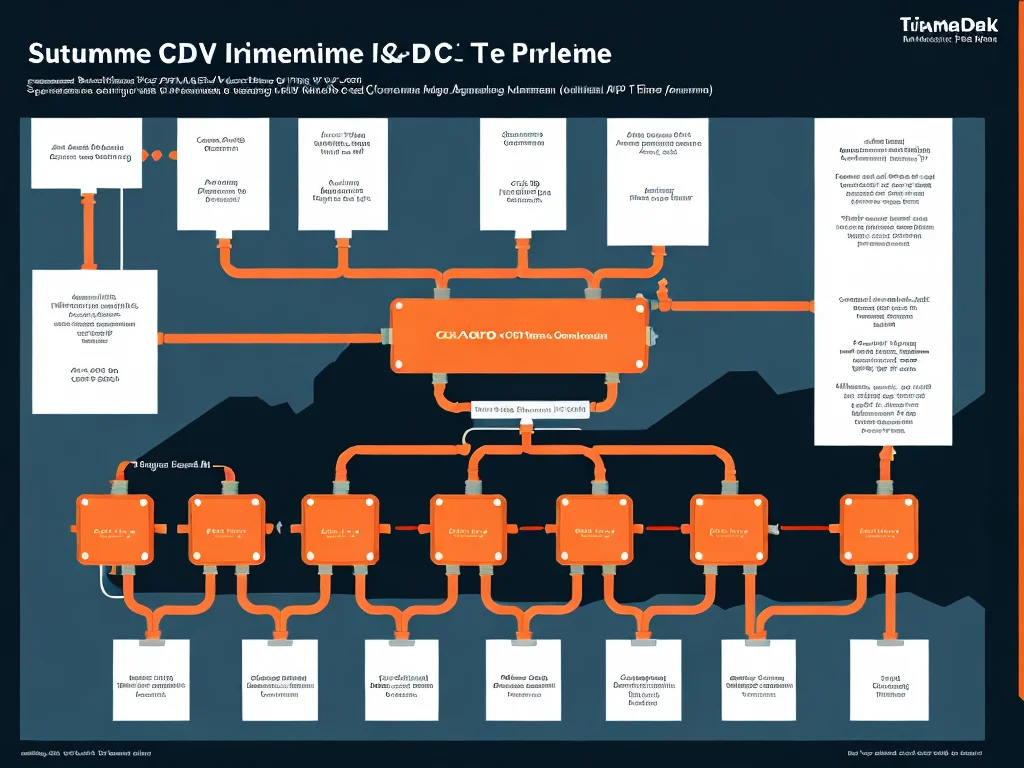
This is where tianjian518/casgen truly shines. The output CAS format is designed to integrate directly with Docker Hub automated builds. This creates a powerful, fully automated pipeline:
tianjian518/casgen pulls and converts the files locally to CAS, slimming them down via deduplication.This methodology perfectly aligns with the explosive rise of containerization. The Portainer 2024 Container Adoption Survey highlights that 65% of organizations now use Docker in production. Furthermore, the trend for automated Docker image builds from custom tools is up 25% in the last 12 months.
Gene Kim, author of The Phoenix Project, famously stated, “DevOps is not about automation, it’s about culture and processes to deliver value faster.” tianjian518/casgen embodies this perfectly. It automates a painful manual process (media management), changes the storage culture by embracing deduplication, and creates a process (Docker integration) that delivers value—slim, deployable images—faster than traditional methods.
For the engineering audience, integrating tianjian518/casgen into an existing data pipeline requires understanding a few key concepts. The tool itself is a Python script, making it highly compatible with standard automation runtimes like Jenkins, GitLab CI, or GitHub Actions.
pip and run in standard Python runtimes alongside your existing toolchain.Dockerfile using the COPY command, ensuring only unique blobs populate the Docker image layer. This avoids the common problem of duplicating identical assets across different application versions.Consider a simple git push workflow. Changes to a media repository trigger a CI job. The job runs tianjian518/casgen to generate the CAS output. This output is then committed or passed as an artifact to a Docker build job. The Docker build job creates a new image tag and pushes it to Docker Hub automatically. This eliminates manual intervention and ensures every deployment uses a storage-optimized image.
Who benefits most from this tool? The primary audience includes:
The tool empowers technology professionals to stop treating media as a static, costly backup target and start treating it as a deployable, optimized asset. Furthermore, the implications for security compliance and auditing are noteworthy. A CAS-based system provides a natural, immutable audit trail for media assets. Every version of an asset is permanently linked to its cryptographic hash, making it trivial to verify that a deployed Docker image contains exactly the intended media files, and not a variant that has been tampered with or accidentally corrupted.
No tool is without its edge cases. Responsible technologists should evaluate these aspects of tianjian518/casgen:
The convergence of bulk storage (cloud drives), content optimization (CAS), and application delivery (Docker) represents the next frontier for DevOps. We are moving beyond just slimming down code; we are now optimizing the very structure of our data layers.
Tools like tianjian518/casgen are the pioneers of this ‘Storage-Aware DevOps’ movement. As data volumes explode, the principle of converting data at the source and deduplicating before packaging will become standard practice, not just a niche optimization. The DevOps landscape is moving towards an era of ‘immutable infrastructure’ and ‘storage-aware computing’. The challenge for the modern technologist is not just in deploying applications faster, but in deploying smarter, leaner packages.
tianjian518/casgen is more than just a media converter; it is a practical template for modern data management in DevOps. By providing a lightweight, Python-based solution that locally converts cloud drive media into CAS and seamlessly integrates with Docker Hub, it solves a specific but widespread pain point. The potential for 30-50% storage reduction, combined with the efficiency of automated builds, makes it a tool worth evaluating in 2024. For the technology professional, it represents a smart, low-friction approach to an age-old problem: managing media at scale within a modern, containerized pipeline.
Actionable Takeaway: Audit your current media pipeline. If files are being copied, versioned inefficiently, or bloating Docker images, exploring CAS integration tools like tianjian518/casgen could yield immediate cost and performance benefits.


tianjian518/casgen is a Python-based tool that converts media files from China Mobile Cloud Drive (139) into Content-Addressable Storage (CAS) format. It processes files locally, avoiding network traffic during conversion, and is designed to integrate with Docker Hub for automated builds, ultimately reducing storage costs through deduplication.
The conversion runs entirely on your local machine after files are downloaded from the cloud drive. Since no data is sent to external servers during the CAS conversion process, it consumes zero additional network bandwidth, making it ideal for teams with limited or costly bandwidth.
CAS uses content hashes to identify files, enabling automatic deduplication—identical files are stored once regardless of how many times they appear. This dramatically reduces storage requirements for media assets and optimizes Docker image layers, leading to faster builds and lower costs.
After converting your media to CAS format, you can create Dockerfiles that leverage these CAS layers. By pushing the resulting images to Docker Hub, you set up an automated pipeline that rebuilds images whenever the underlying CAS data changes, streamlining deployment of media-rich applications.
Currently, tianjian518/casgen is specifically built for the 139 cloud drive ecosystem. However, its modular Python architecture and the underlying CAS principles could be adapted for other cloud providers with custom development. The project's approach serves as a blueprint for similar integrations.