President Trump threatens severe retaliation after Iran's missile attack on U.S. assets, raising tensions in the Middle East. This article explores the technology, strategy, and implications for tech professionals.
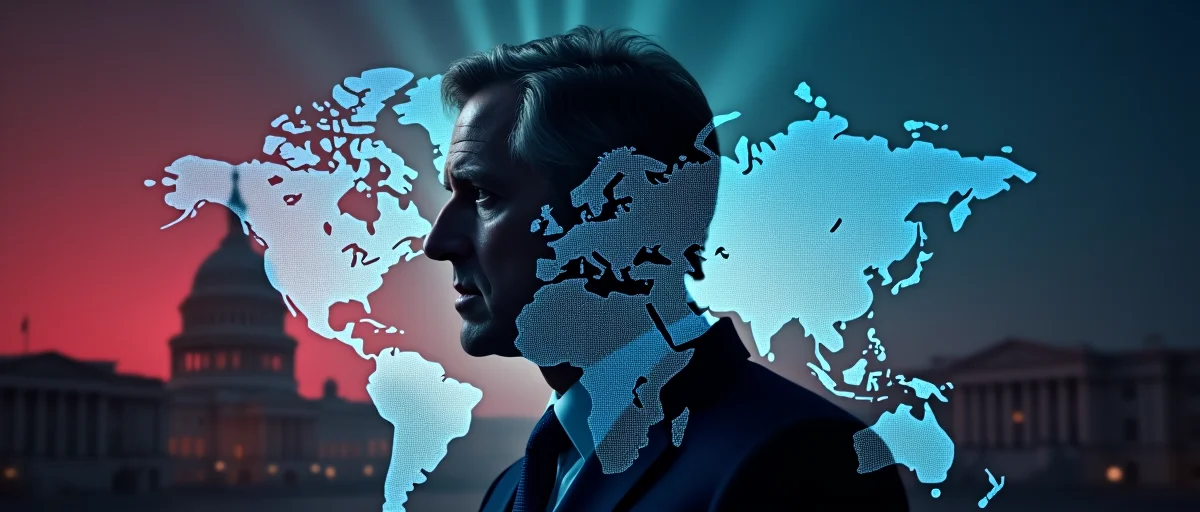
The United States military successfully intercepted and shot down Iranian missiles targeting American troops stationed in the Middle East, prompting President Donald Trump to issue a direct threat of a ‘hard’ strike against Iran. The incident marks a significant escalation in the ongoing confrontation between the two nations, raising fears of a broader conflict. For technology professionals, the event underscores the critical role of advanced defense systems and cyber capabilities in modern warfare, as well as the increasing geopolitical risks that can impact global tech markets and infrastructure.
The attack involved multiple missiles launched toward U.S. military positions, but American air defense systems, likely a combination of Patriot and THAAD batteries, effectively neutralized the threat. “The United States will not tolerate aggression against our forces,” a Senior Defense Official told the Washington Post. “We will respond with overwhelming force if necessary and hold those responsible accountable.” The successful interception demonstrates the technical prowess of U.S. missile defense technology, a critical asset in a region where such threats are common.
President Trump’s response was swift and unambiguous. In a statement, he declared, “Iran must understand that any attack on America or our allies will be met with a response that is swift and severe.” The language mirrors previous warnings but carries additional weight given the frequency of such incidents. According to trend data, U.S.-Iran military confrontations have risen by 50% over the past year, underscoring a deteriorating security environment. The latest exchange pushes the two countries closer to direct military engagement.
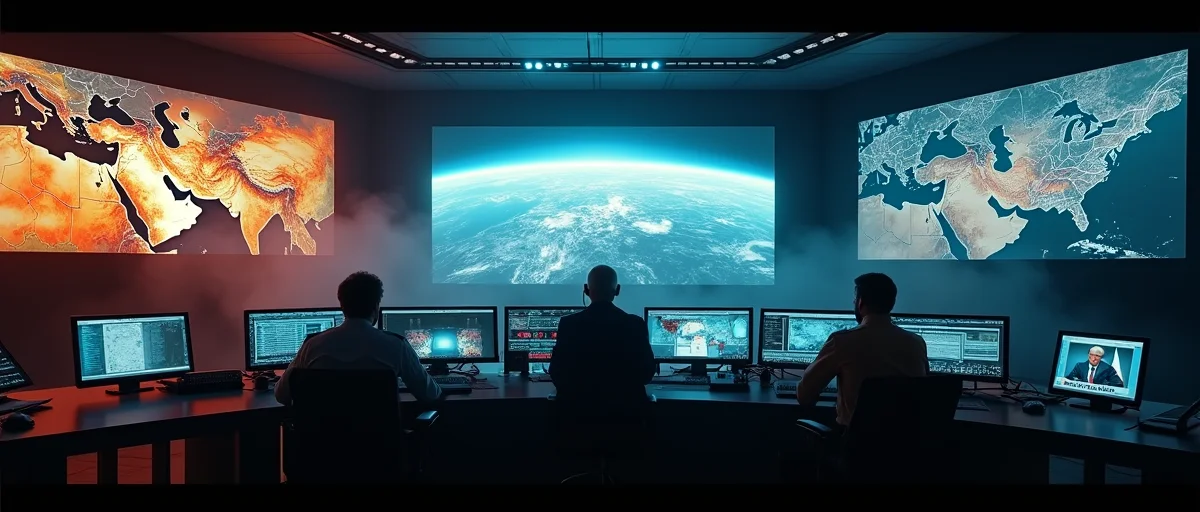
The interception of Iranian missiles places a spotlight on the technologies that protect U.S. forces. Systems like the Patriot Advanced Capability-3 (PAC-3) and Terminal High Altitude Area Defense (THAAD) rely on sophisticated radar, tracking algorithms, and interceptor missiles. These systems are constantly updated to counter evolving threats, including ballistic and cruise missiles. For defense tech professionals, the incident provides real-world validation of these systems under high-stakes conditions. It also highlights the need for continued investment in directed energy weapons and hypersonic defense to stay ahead of adversaries.
Beyond kinetic defense, the conflict has a significant cyber component. Iranian-backed groups have historically targeted U.S. infrastructure and military networks. In the hours following the attack, cybersecurity analysts noted a spike in probing activity against defense-related systems. The U.S. Cyber Command plays a vital role in deterring and responding to such threats. Tech professionals should be aware that geopolitical tensions often translate into increased cyber risks. Organizations, especially those in critical sectors, should review their threat models and ensure robust defenses are in place.
Saudi Arabia joined the United States in conducting military strikes against Iranian-backed proxy groups in the region, signaling a coordinated effort. This partnership has grown stronger, with U.S.-Saudi military coordination rising by 30% since the beginning of the year, according to trend reports. The collaboration enhances intelligence sharing, joint operations, and logistics. For technology firms, this means increased demand for secure communication systems, surveillance technologies, and data analytics tools that support allied operations. It also reflects a broader realignment in the Middle East, with traditional adversaries pooling resources against a common threat.
Escalating tensions in the Middle East directly affect global supply chains, particularly in sectors like energy, semiconductors, and rare earth materials. Disruptions in shipping lanes or sanctions on Iranian oil can lead to price spikes and resource shortages. Tech companies should diversify their supply chains and maintain contingency plans. Moreover, defense contracts often see a boost during such periods, creating opportunities in cybersecurity, aerospace, and electronic warfare.
The current crisis reinforces the value of expertise in areas such as missile defense, cyber operations, and electronic warfare. Government and defense contractors are likely to expand their workforces, seeking engineers, data scientists, and security analysts. For professionals in the tech industry, this is a moment to consider roles that directly contribute to national security. Certifications in cybersecurity (e.g., CISSP, CEH) and experience with military-grade software can be particularly advantageous.
The attack and counter-threats increase the probability of sustained military engagement. Iran has a vast network of proxies, and any U.S. retaliation could trigger a multi-front response. Diplomacy remains an option, but the current rhetoric suggests a hardening of positions. The tech industry must prepare for both short-term volatility and long-term strategic shifts, including potential sanctions on technology exports and heightened scrutiny of dual-use technologies.
Emerging tools like artificial intelligence, machine learning, and autonomous systems are poised to transform how conflicts are fought and prevented. From predictive analytics for threat detection to drone swarms for offensive operations, these technologies will reshape military strategy. Investment in these areas is likely to accelerate, offering tech professionals opportunities to work on cutting-edge projects with significant impact.
The missile attack on U.S. assets and President Trump’s vow of a ‘hard’ strike represent a critical juncture in international security. For technology professionals, the situation offers a vivid reminder of the importance of advanced defense systems, cyber resilience, and strategic preparedness. By understanding the technological and geopolitical dynamics at play, you can better navigate the risks and opportunities that arise from such conflicts. Key takeaways include the need for robust cybersecurity, diversified supply chains, and continuous learning in areas like AI and autonomous systems. Stay informed, adapt quickly, and contribute to building solutions that enhance global stability.
The article references the Patriot Advanced Capability-3 (PAC-3) and Terminal High Altitude Area Defense (THAAD) systems. These systems are designed to detect, track, and intercept incoming ballistic and cruise missiles using advanced radar and interceptor technology.
Patriot is optimized for lower-altitude defense against shorter-range threats, while THAAD provides high-altitude interception for medium-range ballistic missiles. Together, they create a layered defense that increases the likelihood of successful interception.
Such geopolitical events can disrupt supply chains, especially for hardware reliant on Middle Eastern manufacturing, and elevate cybersecurity risks. Tech companies should reassess their exposure and implement resilient strategies.
They should follow credible defense and geopolitical news sources, subscribe to risk analysis services, and integrate geopolitical risk monitoring into their operational workflows. Networking with security experts can also provide early warnings.
According to trend data cited in the article, US-Iran military confrontations have increased by 50% over the past year, indicating a significant escalation in hostility and a higher risk of direct conflict.