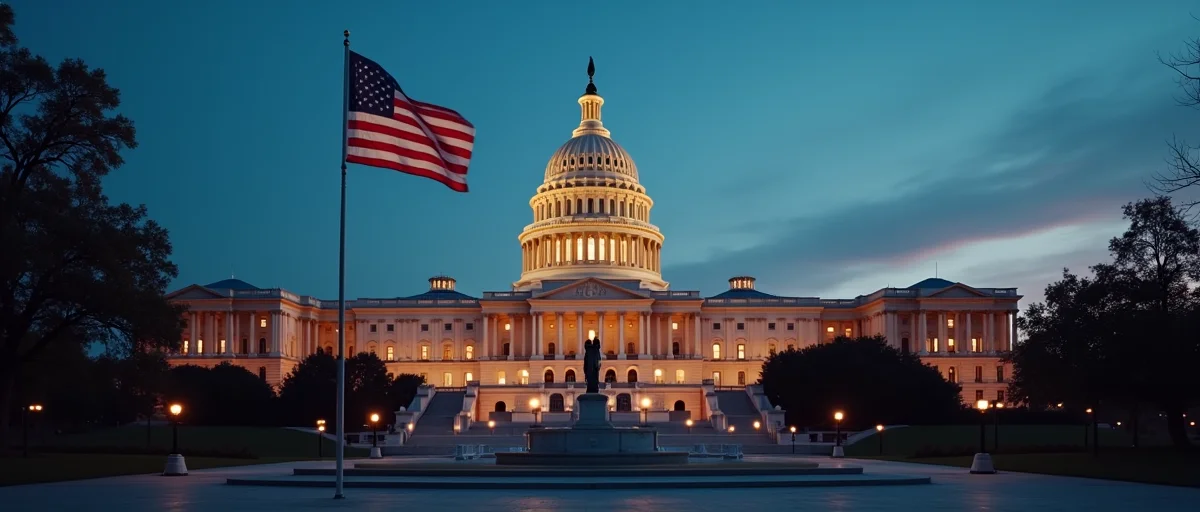
The FCC is expected to vote Thursday to repeal the 39% TV ownership cap. Sinclair CEO Chris Ripley says he "couldn't be happier" about the deregulatory move.
The Federal Communications Commission is expected to vote Thursday on a proposal that could fundamentally reshape the American broadcast television landscape. At stake is the 39% national audience cap on local TV station ownership — a decades-old restriction that limits how many U.S. TV households a single broadcaster can reach.
Sinclair Broadcast Group CEO Chris Ripley says he “couldn’t be happier” about the expected repeal. In comments reported by Deadline, Ripley called the change a long-sought industry goal. The vote, advanced by a Republican-controlled FCC, underscores a broader regulatory shift toward broadcast deregulation.
Here’s what this pivotal moment means for broadcasters, technology professionals, and the future of local television.
The FCC is scheduled to vote Thursday on eliminating the national audience cap for TV station ownership. The current rule bars any single owner from controlling stations that reach more than 39% of U.S. TV households (FCC via Deadline, 2026).
For decades, that percentage has served as a hard ceiling for the country’s largest broadcast groups. A company’s stations could grow only until their combined reach approached 39% of America’s television homes. Beyond that threshold, acquiring another station meant divesting existing ones — a delicate balancing act that shaped major deals.
The expected repeal follows years of intense lobbying by broadcasters who argue the cap is outdated. The media landscape has changed dramatically since the rule’s creation, and the ownership limit, they say, now handicaps over-the-air broadcasters against unregulated streaming and digital platforms.
If Thursday’s vote passes, no federal ceiling will restrict how many households a broadcast group can reach. That is a fundamental change in the economics of local television.
Chris Ripley’s response to the expected repeal was immediate and emphatic. “Couldn’t be happier,” he told Deadline. The quote reflects the mood across the industry’s leading broadcast groups.
Sinclair is one of the largest owners of local TV stations in the country, with a portfolio spanning dozens of markets. The company has long argued that the 39% cap artificially limits its growth.
For Ripley, the repeal is both strategic and practical:
The CEO’s enthusiasm suggests Sinclair may move quickly once the rule is removed.
The national audience cap originated in the 1990s, when policymakers worried that consolidation would hurt local broadcasting.
The rule’s purpose was to preserve diversity in station ownership and ensure that no single entity controlled too much of what Americans watched. For a pre-internet media environment, that logic made sense.
But broadcasters say the math has changed. With the rise of cable news, social platforms, and video streaming, a 39% limit on over-the-air reach does little to preserve viewpoint diversity. Instead, it puts traditional broadcasters at a competitive disadvantage.
Thursday’s vote is part of a larger movement at the FCC to modernize media ownership rules. The Republican-controlled commission has made deregulation a priority.
Key trends shaping this shift:
The result is a regulatory environment that increasingly treats broadcasters like any other media business. Repealing the 39% cap fits squarely within that trend.
When the cap was first written into law, the internet was still in its infancy. Broadcast TV was the primary source of news and entertainment for most American families.
Today, viewers have abundant options:
Broadcasters argue that applying legacy ownership limits in this environment ignores reality. They want to compete with digital giants that face no comparable restrictions on audience reach.
If the cap is eliminated, expect a wave of station consolidation. The largest broadcast groups will be positioned to make acquisitions without the previous ceiling.
Likely players include:
Consolidation brings both benefits and risks.
Potential benefits:
Potential risks:
Industry professionals should anticipate a flurry of deal announcements in the months following the vote, assuming legal challenges don’t slow things down.
One of the most important implications of the ownership cap repeal involves technology rather than media policy. Broadcast TV is in the midst of a major infrastructure transition to NextGen TV (ATSC 3.0).
NextGen TV introduces dramatic improvements over traditional broadcasting:
Deploying ATSC 3.0 is expensive. Stations need new transmitters, encoders, and studio equipment. For smaller owners, that’s a heavy lift. For large consolidated groups, the costs can be spread across many markets.
Removing the 39% cap is therefore a technology policy statement as much as a business one. It clears the way for the country’s largest broadcasters to invest at scale in next-generation infrastructure.
If you work in broadcast technology, media operations, or digital infrastructure, the repeal signals concrete changes:
The days of the 39% cap may be numbered. The era of technology-driven broadcast consolidation is just beginning.
Not everyone supports the repeal. Public interest groups and media watchdogs have warned for years that consolidation damages local journalism and community coverage.
Their core concerns:
These groups have successfully challenged FCC media actions in court before. A lawsuit blocking or delaying the repeal remains possible, adding an element of uncertainty to the industry’s planning.
Politically, the repeal could also become a flashpoint. Though Democratic control of the FCC is not currently on the horizon, a future administration could attempt to reinstate ownership limits through a new rulemaking process.
Thursday’s vote will be the focal point, but the story doesn’t end there. Here’s what to monitor in the coming weeks and months:
For Sinclair’s Chris Ripley, the coming days are a time to celebrate. But the real work will begin after the gavel falls. The repeal of the 39% cap is less an ending than a beginning — the start of a new chapter in American broadcasting.
The FCC’s expected vote to repeal the 39% national audience cap is a landmark moment for broadcast television. Sinclair CEO Chris Ripley’s “couldn’t be happier” response captures the optimism of large station groups ready to grow.
The change promises to accelerate consolidation, unlock new investment in NextGen TV, and reshape local news across America. For technology professionals, it creates new opportunities in broadcast infrastructure, streaming, and digital advertising. Yet important questions remain about diversity, localism, and the long-term health of community journalism.
The most important takeaway: Thursday’s vote, if it passes, is just the beginning. Broadcasters, investors, and technologists should prepare for a period of rapid strategic transformation.
The 39% TV ownership cap is a Federal Communications Commission rule that prevents any single broadcast company from owning TV stations that collectively reach more than 39% of U.S. television households. It was designed to promote diversity and localism in broadcasting by limiting consolidation. The FCC is expected to vote on eliminating this cap, which would remove the national audience ceiling for TV station owners.
Repealing the cap would allow large broadcast groups like Sinclair to acquire more stations and expand their national reach without being forced to divest existing properties. This could lead to further consolidation in the broadcast industry, potentially changing the variety of local news and programming available. Proponents argue it would help broadcasters compete with streaming platforms, while critics worry about reduced localism and fewer independent voices.
Chris Ripley says he 'couldn't be happier' about the expected repeal because it removes a long-standing regulatory limit on Sinclair's growth. As one of the largest owners of local TV stations, Sinclair would be able to acquire more stations and increase its national audience without regulatory barriers. Ripley and other broadcasters argue the cap is outdated in an era when streaming and digital platforms face fewer ownership restrictions.
The national ownership cap limits how many U.S. TV households a single broadcaster can reach across the country, currently set at 39%. Local ownership rules, on the other hand, restrict how many TV stations one company can own in the same local market and often depend on market size and the number of overlapping signals. The FCC's expected vote targets the national cap, while local rules may remain in place subject to separate reviews.
If the FCC votes to repeal the national cap, Sinclair and other broadcast groups could pursue acquisitions of additional TV stations in markets where they already operate or enter new ones, as long as they comply with local ownership rules and antitrust review. The company would likely evaluate station portfolios, negotiate deals, and seek FCC approval for each transaction. This could result in a wave of consolidation across the U.S. broadcast industry.