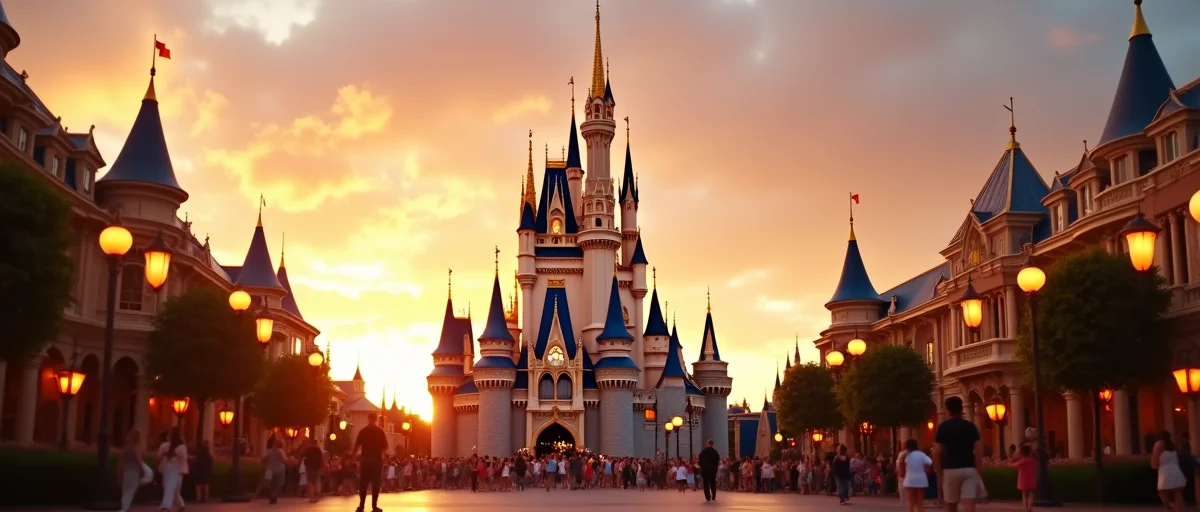
Disney's TikTok licensing deal lets selected creators use Marvel, Star Wars, Pixar, and more—reducing copyright risk and boosting creator-economy reach.
Disney has agreed to a multi-year licensing deal with TikTok that lets selected creators incorporate clips from its films and television shows into short-form videos. This Disney-TikTok licensing deal is a significant shift for the creator economy because it addresses one of the biggest pain points for fan creators: copyright risk. With more than 1 billion monthly active users on TikTok as of 2024, the partnership gives approved creators a licensed pathway to use popular Disney-owned content while giving Disney a powerful promotional presence on the world’s fastest-growing short-form platforms.
The agreement covers a broad set of Disney-owned brands, including:
Creators can use material from these properties in short-form videos. However, the deal is not a blanket licence. It does not permit uploading full films, full episodes, or long extracts that replicate entire works. TikTok creators should treat the arrangement as a library of approved clips rather than an open invitation to republish Disney content wholesale.
Important details still missing:
Disney and TikTok have not publicly disclosed these specifics. That means creators should continue to rely on official announcements and platform guidance before assuming their account is covered.
The largest immediate benefit is reduced legal exposure. Previously, a TikToker who edited a Marvel fight scene or used a Star Wars soundtrack could face a copyright strike or content removal. This new agreement changes the equation for eligible creators by giving them a licensed route to work with those same materials.
Practical use cases include:
These use cases show the cultural value of short-form remixing. Instead of chasing infringing uploads, studios can now benefit from organic promotion while creators gain clearer boundaries.
According to TikTok’s 2024 announcement, the platform has more than 1 billion monthly active users globally. That scale illustrates the enormous potential reach of licensed clips. A single Disney clip, placed inside a trending audio track, can reach millions of viewers in hours. For creators, access to an officially licensed library means they can produce that content without fear of sudden takedowns.
For years, entertainment companies treated fan edits and unofficial clips as an infringement problem. Many studios issued broad takedown requests against video platforms. Disney, in particular, had a mixed and sometimes strict record when it came to fan works.
That stance has been evolving. Across the last 12 months, entertainment studios have increasingly embraced the creator economy. The rise of licensed short-form video remixing has become one of the most visible trends in social media. Music labels already license songs to TikTok, and studios are now following a similar playbook.
Disney’s fan-content strategy has also matured. Instead of shutting down fan creativity, the company is finding ways to participate. This deal is a clear example of that evolution. It acknowledges that fan-made short-form videos can serve as marketing, community engagement, and cultural relevance.
The trend is not isolated to TikTok. Other platforms, including Instagram Reels and YouTube Shorts, are likely to pursue similar licensing arrangements. But TikTok’s scale and its native remix culture make it the most logical starting point.
At first glance, the deal seems primarily to benefit creators. In reality, Disney gains significant commercial and strategic value.
First, creator-driven distribution. Disney’s most valuable intellectual property is already globally famous. But TikTok creators can introduce it to younger audiences in fresh contexts. A Marvel clip used in a humorous commentary might reach viewers who are not typical Disney+ subscribers.
Second, controlled brand presence. A licensed agreement gives Disney more influence over how its content appears. It can set conditions, revoke access for misuse, and align with creators who respect brand values.
Third, potential revenue opportunities. User-generated content often drives subscriptions and merchandise sales. If a clip goes viral, it can funnel viewers to official Disney platforms and theatrical releases. In this way, the deal behaves like a performance-based marketing channel.
Financial terms are undisclosed, but similar licensing agreements in the music industry often involve revenue-sharing arrangements. It is reasonable to assume TikTok and Disney have structured the deal to make popular creator content commercially beneficial to both parties.
Creators sometimes confuse licensing with fair use. Fair use is a legal defense that depends on context, purpose, and market impact. It can be unpredictable. A licensing deal, by contrast, gives creators explicit permission to use material under defined conditions.
This matters because short-form video thrives on speed. A creator who has to analyze fair use for every clip may lose the momentum that makes TikTok content effective. With a licensed library, the legal question becomes simpler: whether the use fits within the agreement.
Still, licensing is not the same as unlimited freedom. Even under a license, the specifics of each use may be restricted. For example, using a clip in a political ad, a commercial product, or a misleading context could violate guidelines.
The deal is not a green light for all Disney-related content. There are several caveats.
Eligibility may be limited. Only some creators may get access, perhaps based on follower count, content quality, or participation in specific TikTok programs. Smaller creators may not see an immediate change.
Full works remain off-limits. The agreement is structured for short-form clips, not for hosting movies or complete episodes. Creators who post long excerpts still risk enforcement.
Brand distinctions matter. A clip from a Marvel film is covered, but a clip from a behind-the-scenes documentary may not be. Creators should check the exact terms and avoid assuming every Disney-owned asset is included.
Enforcement will likely continue. TikTok and Disney can still respond to abusive uploads, reuploads, or content that exceeds the license. The licensing deal does not mean the end of copyright enforcement.
Before making Disney-inspired TikTok content, creators should take a few practical steps.
The licensing landscape is moving quickly. What is true today may change as TikTok and Disney release more details. Staying informed is the best way to avoid a copyright strike.
The Disney-TikTok licensing deal may be the first of many. The trend of licensed short-form video remixing is expected to grow through 2025. Studios are learning that creators are both audiences and amplifiers.
Over time, we may see more platforms offer official clip libraries. We may also see more granular rules, giving creators options for particular franchises, time limits, and revenue sharing models.
For Disney, the deal is a hedge against the creator economy’s growing influence. By licensing its content rather than fighting every upload, Disney can reduce friction, shape the narrative, and profit from fan passion. Creators, meanwhile, get a safer environment for creative expression.
The result is a more sustainable ecosystem: fans produce content, platforms distribute it, and studios capture value. That is a far better model than the old cycle of takedown notices.
The Disney-TikTok licensing deal marks a meaningful turning point in how entertainment companies engage with user-generated content. It gives eligible creators a licensed way to use Disney, Pixar, Marvel, Star Wars, and National Geographic clips in short-form videos, reducing copyright risk while opening promotional doors for Disney.
The key takeaways are simple: eligibility details are still pending, full films and episodes remain off-limits, and creators should check official guidance before relying on the license. At the same time, the broader trend is unmistakable — studios are embracing the creator economy instead of fighting it. For TikTokers and platforms alike, the future of short-form video is increasingly collaborative, licensed, and creator-friendly.
The deal covers content from Disney, Pixar, Marvel, Star Wars, and National Geographic. However, it is not a blanket license: creators can only use approved clips, not full films, full episodes, or long extracts that replicate entire works.
Disney and TikTok have not yet disclosed exactly which creators are eligible, how many clips can be used per video, or whether monetization is available to everyone. Eligible creators should wait for official announcements and platform guidance before assuming their account is covered.
It is not yet clear whether monetization is available to all eligible creators, since the financial terms between Disney and TikTok have not been publicly shared. Creators should check official TikTok and Disney announcements for monetization details before relying on the deal for revenue.
Practical use cases include Marvel fan edits and reaction videos, Star Wars lore breakdowns, Pixar nostalgia compilations, National Geographic science clips in educational TikToks, and Disney animation clips in commentary or review videos. The key is to use short, approved clips rather than reproducing full works.
Previously, using Marvel or Star Wars clips could lead to copyright strikes or content removal. This deal gives eligible creators a licensed route to use Disney-owned materials, significantly reducing their legal exposure while enabling more creative short-form remixing.