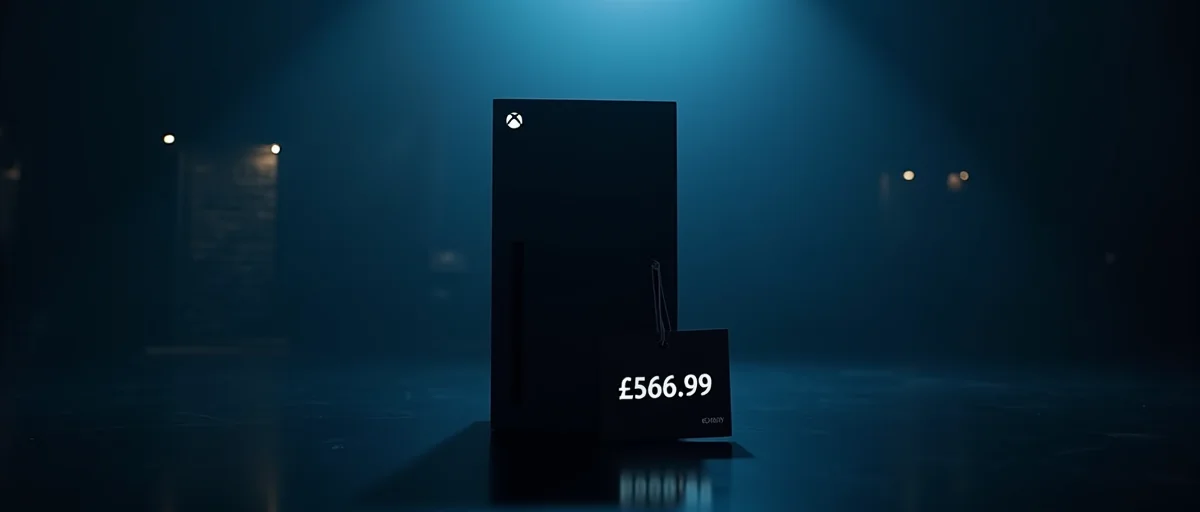
Microsoft has raised the Xbox Series X price in the UK by £170 (43%), moving the console from £399.99 to £569.99. Rising memory chip costs, driven by AI demand and supply pressures, are reshaping gaming hardware affordability in 2025.
Microsoft has raised the price of an Xbox Series X model in the UK by £170—a 43% increase that underscores mounting supply-chain pressure in the gaming hardware market. The console’s price tag jumps from £399.99 to £569.99, according to BBC News (2025). For a market that has historically enjoyed stable console pricing, this is a significant shift. Rising memory chip costs, fueled by surging AI demand and constrained manufacturing capacity, are now reshaping the economics of gaming hardware. This article explores the details of the hike, its root causes, and what it means for consumers and the wider industry.
The numbers behind Microsoft’s decision are striking. One Xbox Series X model now costs £170 more in the UK, a 43% increase that pushes the console’s retail price from £399.99 to £569.99.
The price hike applies to a specific Xbox Series X model in the UK market, though Microsoft has not publicly detailed which configuration is affected. What is clear is that this is one of the most significant console price increases in recent memory. Historically, console prices have remained remarkably stable across generations, with mid-generation adjustments typically leaning downward rather than upward. This increase breaks that pattern decisively.
Console manufacturers have traditionally absorbed component cost increases. The strategy is simple: sell hardware at a slim margin or even a loss, then recoup profits through game sales, subscriptions, and accessories. That model works when component prices are predictable. It becomes unsustainable when memory chip costs spike as sharply as they have recently. Microsoft’s decision to pass these costs to consumers suggests the pressure on margins has become too intense to absorb internally.
The principal driver behind the Xbox Series X price hike in the UK is the soaring cost of memory chips. Over recent months, prices for DRAM and NAND components have climbed steadily, driven by several converging factors.
The global AI boom has created unprecedented demand for high-bandwidth memory and advanced processors. Cloud providers and tech giants are building massive AI data centers that require enormous quantities of memory chips. This demand surge has outpaced supply, pushing component prices upward across the entire electronics industry. Memory is no longer a commodity; it is a strategic asset, and its pricing reflects that reality.
Memory chip manufacturers cannot simply flip a switch to increase output. Building new fabrication plants takes years and billions of dollars. In the meantime, existing capacity is stretched thin. The competition for wafer allocation between consumer electronics, automotive chips, and AI infrastructure means gaming hardware makers must pay a premium to secure the components they need. The situation is exacerbated by trade restrictions and export controls that limit the flow of advanced semiconductor technology between countries.
The Xbox is not the only product affected. Memory price inflation is driving up costs across laptops, smartphones, and other consumer electronics. However, consoles are particularly vulnerable because they are sold at relatively low margins and have long product lifecycles that prevent rapid spec changes. A smartphone manufacturer can adjust component selection or pricing quarterly. A console maker like Microsoft is locked into a fixed specification for years at a time, making sudden cost increases especially disruptive.
For UK gamers, the £170 increase is more than a statistic—it is a real barrier to entry. At £569.99, the Xbox Series X now costs more than many mid-range laptops and entry-level gaming PCs. The price hike raises fundamental questions about the accessibility of console gaming.
The price hike could make console gaming less accessible to cost-conscious buyers. Families and younger gamers, who are often the core demographic for consoles, may find the new price prohibitive. The increase also narrows the value gap between consoles and alternative gaming options. When a console costs nearly £600, the idea of building a comparable gaming PC becomes more reasonable.
Microsoft’s own ecosystem offers alternatives that may become more attractive:
Despite the price increase, the Xbox Series X remains a powerful piece of hardware. For enthusiasts who value raw performance, 4K gaming, and quick load times, the console still represents reasonable value compared to an equivalent gaming PC. However, that value proposition has weakened considerably with the £170 price increase. Prospective buyers need to weigh the console’s capabilities against its new, higher cost.
The Xbox price increase is a bellwether for the broader gaming industry. It signals that component cost inflation has reached a level where even well-capitalized companies like Microsoft must pass costs to consumers.
Industry analysts expect memory chip prices to remain elevated in the near term. Key factors contributing to the trend include:
Sony and Nintendo face the same cost pressures. While neither has announced a similar price hike for their current consoles, the trend suggests that hardware pricing across the industry may remain under upward pressure. If memory prices continue to climb, it is reasonable to expect that PlayStation and Switch consoles could see similar adjustments in the future. Nintendo, in particular, may factor these costs into its next-generation hardware pricing strategy.
As hardware prices rise, the relative value of game subscription services increases. Microsoft’s Game Pass, in particular, could see increased adoption as consumers seek more affordable ways to access gaming content. The price hike may inadvertently accelerate Microsoft’s long-term strategy of transforming Xbox from a hardware-centric business into a platform-agnostic service. For investors and analysts, this shift is worth monitoring closely—it could redefine how Microsoft measures the success of its gaming division.
The immediate question for UK gamers is practical: what should they do now? The answer depends on individual circumstances and priorities.
If you need an Xbox Series X and have the budget, buying now is reasonable—prices are more likely to rise than fall in the near term. The console’s existing library already includes critically acclaimed titles, and future releases will continue to support the platform.
Consider the Xbox Series S, which remains significantly cheaper. Alternatively, if you have a capable internet connection, Xbox Cloud Gaming allows you to play many of the same titles on devices you already own. Game Pass Ultimate bundles online multiplayer, cloud gaming, and a large game library for a monthly fee far below the console’s price.
If you are not in a hurry, waiting may eventually pay off—but not in the traditional sense of a price drop. Rather than buying new, watch for sales, certified refurbished units, or second-hand listings. Price pressure could also intensify if Sony or Nintendo respond with their own pricing moves, potentially sparking promotional activity from retailers.
The immediate future for console pricing appears uncertain. Whether we see further increases depends on several factors:
In the short term, chip prices are expected to remain high. That means consumers shopping for a new console today should anticipate that current price levels will likely persist, or potentially increase, over the next 12 to 18 months. Waiting for a price drop may not be a winning strategy.
The longer-term picture is more nuanced. New memory fabrication plants are planned, and the supply-demand imbalance should eventually ease. However, the structural shift toward AI and data-centric computing means memory chips will face sustained demand pressure for years to come. Console manufacturers may need to redesign their hardware strategies around these realities, possibly extending generation lifecycles or embracing cloud-first gaming models.
The Xbox Series X price hike in the UK is a landmark moment in gaming hardware economics. For the first time in years, a major console has seen a substantial mid-generation price increase, moving from £399.99 to £569.99—a £170 or 43% jump. The culprit is rising memory chip costs, driven by AI demand and constrained supply chain capacity.
For consumers, the takeaway is clear: hardware costs are climbing, and alternatives such as Xbox Game Pass, cloud gaming, and second-hand consoles are becoming increasingly attractive options. For industry observers, the hike signals a broader trend that could reshape the gaming market, accelerating the industry’s transition toward subscription-based models. As memory prices continue their upward trajectory, the era of cheap consoles may be drawing to a close.
Microsoft has not publicly specified which configuration is affected, but the reported price increase applies to an Xbox Series X model in the UK. The console's price rose from £399.99 to £569.99 according to BBC News in 2025.
The main driver is the rising cost of memory chips, particularly DRAM and NAND components. Surging AI demand and constrained manufacturing capacity have pushed up chip prices, making it unsustainable for Microsoft to absorb the higher component costs through its traditional console pricing strategy.
Console makers usually sell hardware at a slim margin or even a loss, expecting to profit from game sales, subscriptions, and accessories. Historically, mid-generation price adjustments have been downward, not upward, so this 43% jump is a notable break from the usual pattern.
This specific hike has been reported in the UK, and Microsoft has not confirmed changes for other regions. However, because global memory chip costs are rising, other console makers and markets could face similar pricing pressure in the future.
Readers may consider waiting for promotions, bundles, or the cheaper Xbox Series S as a lower-cost alternative. It is also worth monitoring refurbished or pre-owned consoles, though buyers should ensure they purchase from reputable sellers.