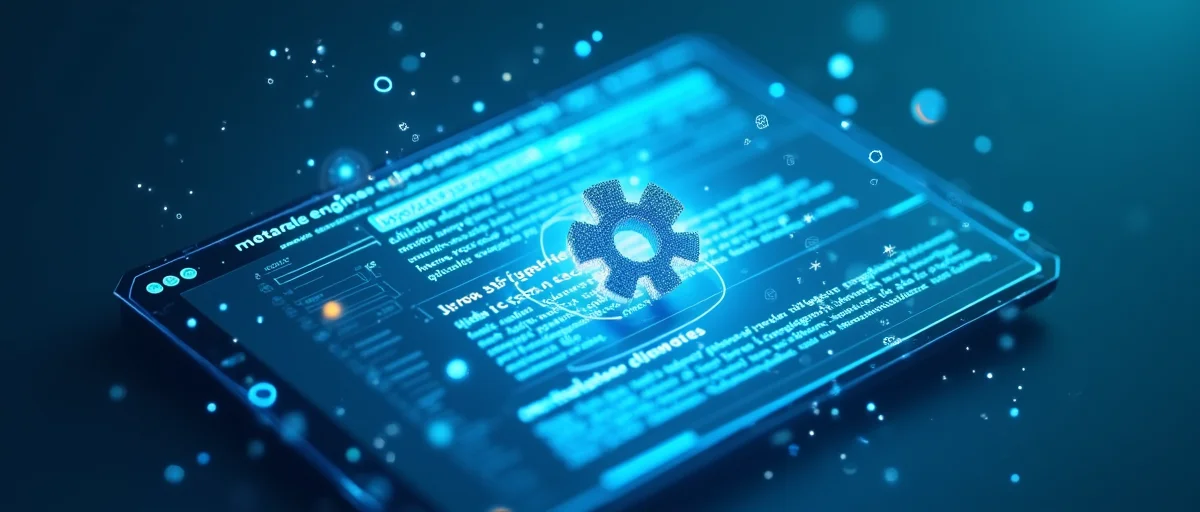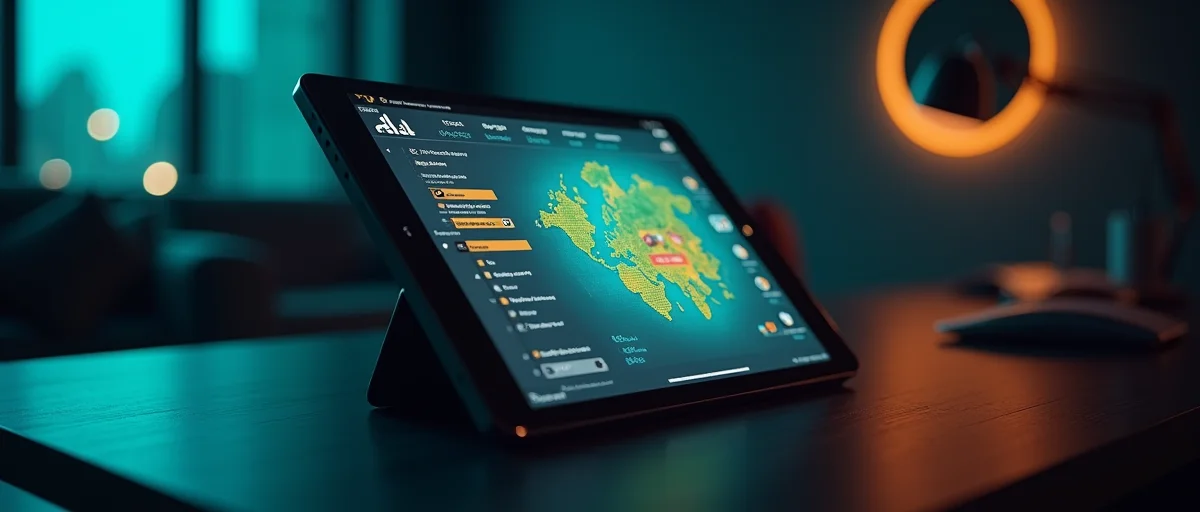
Explore sd-tablet, the FiveM tablet mod from Samuels-Development. It unifies phone and tablet interfaces with shared data, a Lua foundation, and deep roleplay potential.
Roleplay servers in FiveM have grown beyond simple interactions. They now demand immersive tools that mirror real-world workflows. One project helping to push that boundary is sd-tablet, an in-game tablet modification built for FiveM. Developed by Samuels-Development, sd-tablet works as a companion to the popular sd-phone project. It shares the same apps, accounts, and data with sd-phone, but it is optimized for a larger screen. For server developers and roleplay enthusiasts, sd-tablet represents a fresh approach to virtual device ecosystems. Interestingly, the repository is categorized under data-science. That classification hints at deep integration with data-driven roleplay or server systems. In this article, we’ll break down how sd-tablet works, examine its technical foundations, and explore why it matters for the future of FiveM modding.
sd-tablet is a FiveM modification that adds a tablet interface to the game. It is not a standalone tool. Instead, it functions as the larger-screen counterpart to sd-phone. This means players can access their existing phone apps on a tablet without re-entering data or reconfiguring settings.
The mod is developed by Samuels-Development. This creator focuses on expanding the FiveM experience through practical, immersive tools. The sd-tablet project follows that philosophy by giving players a familiar interface in a bigger format. For roleplay servers, that simple addition can change how players interact with the virtual world.
Because the tablet shares the same backend as sd-phone, consistency is built into the design. A player can start a task on their phone and continue it on the tablet moments later. The continuity isn’t just convenient; it reinforces the feeling of owning a personal device ecosystem inside the game.
In the real world, cross-device continuity is now standard. People start an email on their laptop and finish it on their phone. App developers invest heavily in syncing data across devices. sd-tablet brings this same philosophy into FiveM.
The key advantages include:
This unified approach creates a seamless transition between interfaces. A police officer can file a report on their phone while on patrol. Later, they can pull up that same report on the station tablet. A business owner can review inventory data on either device without losing context. The result is a more coherent roleplay experience.
The larger tablet screen is not just a cosmetic upgrade. It allows more information to be displayed at once. This makes sd-tablet particularly useful for data-intensive activities like managing fleets, tracking resources, or browsing complex dashboards.
In addition, the continuity between phone and tablet reduces frustration. Players do not need to remember separate login details or sync steps. The mod handles those details automatically. As a result, server administrators can focus on creating engaging gameplay rather than troubleshooting data mismatches.
FiveM mods commonly rely on Lua for scripting. sd-tablet follows that convention. Lua is lightweight, easy to learn, and widely supported in the FiveM community. That makes the mod approachable for developers who want to customize or extend it.
The project’s data-science category is another notable detail. It signals that sd-tablet can support data-driven gameplay. This may include:
For server administrators, this opens new possibilities. They can tie the tablet interface into broader data pipelines. They can also design roleplay mechanics that rely on up-to-date information displayed on the tablet.
Moreover, Lua’s flexibility speeds up prototyping. Developers can test new apps and features quickly. This agility is one reason FiveM has become a rich ecosystem for creative mods. sd-tablet benefits from that ecosystem by tapping into existing patterns and tools.
sd-tablet shines in roleplay scenarios that require detail and reliability. Here are several use cases where its larger screen and shared data make a real difference.
Police and medical roleplayers often juggle multiple inputs. A tablet gives them room to view dispatch logs, maps, and patient records at the same time. A paramedic can check a victim’s medical history while preparing a response. An officer can review case files without switching screens.
Owners and officials can use the tablet for management tasks. Real estate agents can display property listings. City employees can track permit applications. Financial dashboards become easier to read when there is more space for charts and tables.
Even casual players benefit from the tablet. Messaging apps, navigation tools, and mini-games are more comfortable on a larger screen. The tablet can also become a roleplay prop, allowing characters to feel like they own a high-end device. The immersive effect is subtle but meaningful.
sd-tablet demonstrates a smart architectural pattern. Instead of building an isolated tool, Samuels-Development created a cohesive ecosystem. Developers can learn several lessons from this approach.
First, build tools that share a common data layer. This reduces duplication and ensures consistency. Second, design interfaces for different screen sizes. A tablet layout should not just be a phone layout stretched to fill space. It should use the extra room to improve readability and usability. Third, prioritize continuity. Players expect their actions to carry over between devices.
The mod also highlights the role of data in modern roleplay. By categorizing the project under data-science, Samuels-Development signals a broader trend. Roleplay servers are becoming more data-driven. Leaderboards, analytics, and persistent economies all rely on structured data. Tools like sd-tablet can surface that data in meaningful ways.
For server developers, this is an opportunity. Integrating sd-tablet into existing systems could open doors to new gameplay mechanics. Imagine a tablet that displays live server stats, territory control maps, or dynamic mission briefs. The foundation is already there.
The larger tablet screen changes how players process information. Instead of scanning a small phone display, they can view complex data in a clearer format. This shift is not purely visual. It affects decision-making in roleplay.
A detective can compare multiple case files side by side. A fleet manager can monitor several vehicles at once. A hospital administrator can review bed capacity and staff schedules in a single view. These actions are harder on a small phone screen.
As FiveM servers compete for players, immersion becomes a differentiator. Tools like sd-tablet give communities a reason to stand out. A tablet mod may seem like a small addition, but it can significantly elevate the sense of realism within a server.
If you are interested in using sd-tablet, the best starting point is the official Samuels-Development/sd-tablet repository on GitHub. Like most FiveM resources, the installation process typically involves downloading the resource and adding it to your server’s resources folder. Then, you can configure it alongside sd-phone.
Server developers should review the project’s documentation for setup details. They should also check compatibility with existing scripts and data systems. Because sd-tablet shares data with sd-phone, a proper installation ensures that apps and accounts sync correctly.
For players, the tablet usually becomes available through the same mechanisms as the phone. This allows for quick access while roleplaying. The experience feels natural because it mirrors mobile app continuity from the real world.
Samuels-Development’s ecosystem approach suggests more integration is on the horizon. Future updates could expand the app suite or deepen data analytics. Other creators may also build complementary tools that connect to the same data layer.
The broader trend is clear: virtual spaces are becoming more persistent and more connected. Cross-device continuity is likely to grow in importance. sd-tablet is an early example of what that feels like inside a game.
For now, the mod offers real value to server admins and players. It enriches roleplay without adding unnecessary complexity. Developers can study its code to understand cross-device design patterns. Players can enjoy a tablet interface that feels practical and immersive.
sd-tablet is more than a tablet object in a game. It is a cross-device bridge that unifies the sd-phone experience with a larger, more capable interface. Built in Lua and categorized under data-science, the mod demonstrates how thoughtful architecture can improve roleplay servers. By sharing apps, accounts, and data, it removes friction and lets players focus on the story. If you run a FiveM server or develop mods, sd-tablet deserves a closer look. It provides a practical example of how continuity and data integration can elevate virtual worlds.
sd-tablet is a FiveM modification that adds an in-game tablet interface as a companion to sd-phone. It shares the same apps, accounts, and data with sd-phone, allowing cross-device continuity in roleplay servers.
sd-tablet is designed as the larger-screen counterpart to sd-phone. It uses the same backend, so players can access identical apps and accounts without reconfiguring settings. The main difference is the optimized interface for a tablet-sized display.
The article doesn't list step-by-step installation, but as a Lua-based FiveM resource, sd-tablet is typically added to your server's resources folder alongside sd-phone. For exact instructions, check the official Samuels-Development repository or documentation.
The data-science category suggests the mod emphasizes data-driven roleplay and server systems. By unifying phone and tablet data, it enables consistent persistence and continuity, which may be tied to server analytics or player behavior data. This categorization hints at deeper integration with data-driven workflows in FiveM modding.
sd-tablet enhances immersion by giving players a familiar, larger-screen device that mirrors real-world workflows. It supports cross-device continuity, so tasks started on a phone can be continued on the tablet, and shared accounts make the experience seamless. For roleplay servers, it adds practical depth to how players interact with the virtual world.