The first teaser for Blade Runner 2099 debuted at San Diego Comic-Con 2026, revealing a dystopian future where replicants have won the uprising and humans are second-class citizens. Showrunner Silka Luisa explains how the series explores the meaning of humanity in a post-human world, staying true to the original's noir roots.
The Blade Runner universe is expanding once again, and the first look at the highly anticipated series Blade Runner 2099 has finally arrived. Debuting at San Diego Comic-Con 2026, the teaser offers a haunting glimpse into a world turned upside down—one where the replicant uprising succeeded and humanity now lives as a hunted underclass. For technology professionals and sci‑fi enthusiasts alike, this series promises to explore themes of identity, artificial consciousness, and the very definition of humanity in ways that feel more urgent than ever.
Blade Runner 2099 is set decades after the events of the original films, but the landscape has shifted dramatically. According to the teaser and official details, a full-scale replicant uprising ended in victory for the androids, and humans are now second-class citizens in their own world. This reversal of power dynamics is a bold narrative choice that immediately differentiates the series from its predecessors.
The show will consist of ten episodes, airing exclusively on Prime Video. While details about the plot are still under wraps, the teaser establishes a tone of paranoia, decay, and emotional ambiguity—hallmarks of the Blade Runner franchise. The series explores a society where former oppressors have become the oppressed, raising questions about justice, revenge, and survival.
For tech professionals, this premise echoes real-world debates about AI rights and the consequences of creating sentient beings. The show does not shy away from the moral complexities that arise when beings designed to serve demand equality—and then go further.
One of the most striking aspects of Blade Runner 2099 is its complete inversion of the original’s social structure. In the 1982 classic, replicants were hunted fugitives. Now, humans occupy that role. This shift allows the series to examine systemic prejudice from a new perspective, posing the uncomfortable question: what happens when the oppressed become the oppressors?
Showrunner Silka Luisa emphasized in interviews that the series stays true to the original’s “noir principles… and there’s a mystery at the heart of the show that looks both forwards and backwards in terms of mythology.” This suggests that the show will not only advance the timeline but also deepen the lore established in the films.
Silka Luisa, known for her work on The Expanse and See, is at the helm of Blade Runner 2099. During the SDCC panel, she shared insights into her creative approach. “The show is really imagining what comes after us, and what does it mean to be human in a world where humanity is no longer relevant,” Luisa said. This philosophical core is likely to resonate with audiences who follow transhumanism and AI ethics.
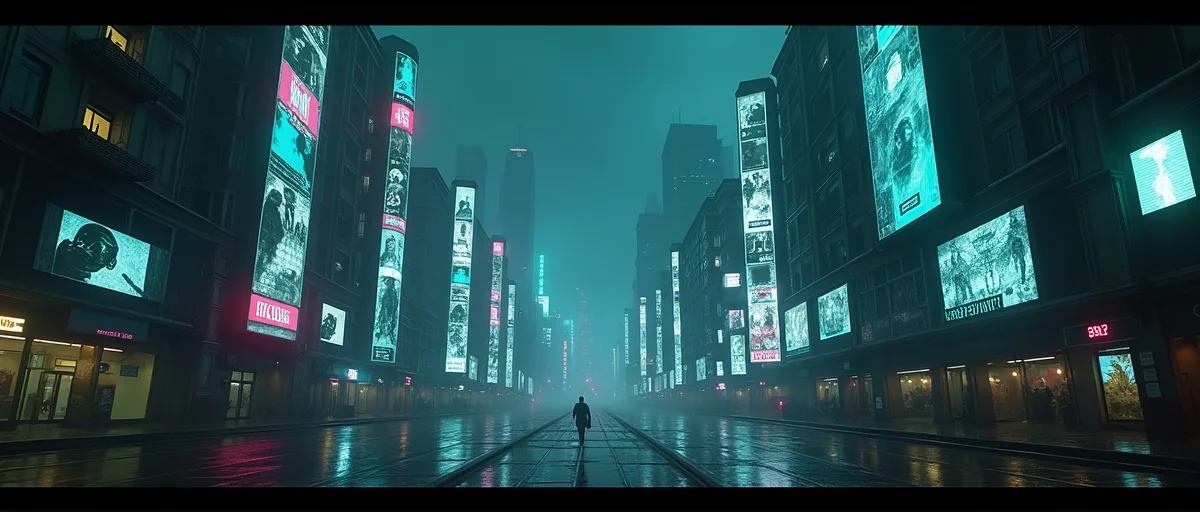
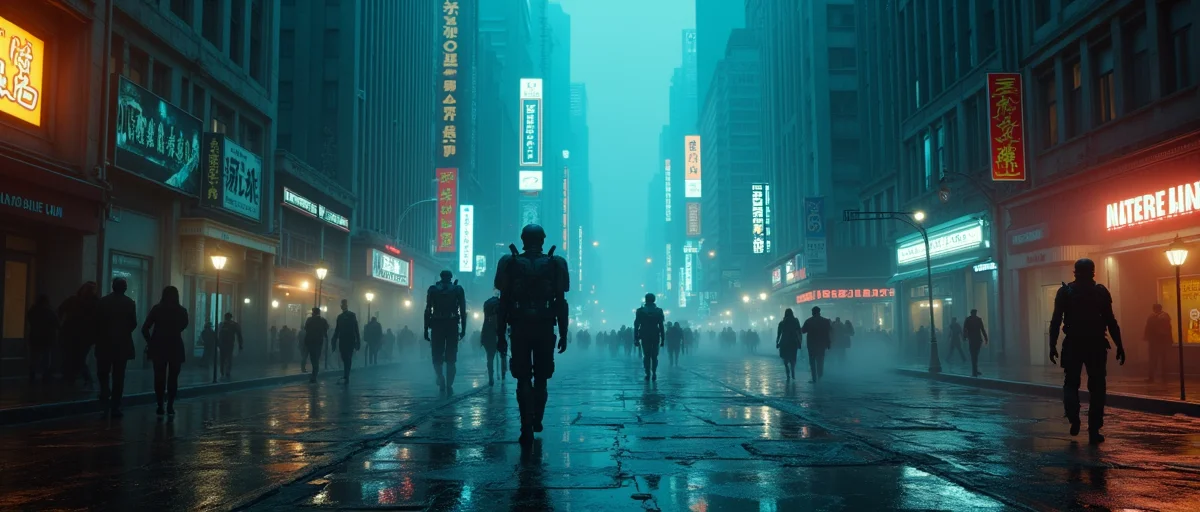
Luisa also stressed the importance of maintaining the noir aesthetic that defined the original film. “We’re keeping the rain, the shadows, the moral gray areas,” she noted. “But we’re also pushing the visual language forward to reflect a world that has moved beyond the human-centric view.”
Luisa’s comments suggest a delicate balance between homage and innovation. The series will introduce new characters and settings while respecting the canon of the films. The mystery at the heart of the show, which looks both forward and backward, could involve uncovering secrets from the past that explain the replicant uprising and its aftermath.
This approach mirrors the best sequel and prequel storytelling: acknowledging what came before without being shackled by it. For a franchise that has always been about memory, identity, and the past, this narrative structure feels particularly appropriate.
The teaser confirmed that Oscar-winning actress Michelle Yeoh will star in the series, alongside another actor credited as Schafer. Their roles have not been officially revealed, but speculation is rampant. Yeoh’s involvement alone signals a high-caliber production, and her ability to portray both strength and vulnerability makes her a natural fit for the Blade Runner world.
Schafer, a rising talent, is expected to play a key role—perhaps a human or replicant caught in the new social order. The casting choices indicate that the series intends to attract both prestige television audiences and loyal fans of the franchise.
Blade Runner 2099 also continues the franchise’s tradition of diverse casting. With Yeoh leading the cast, the series brings a global perspective to a story that is fundamentally about the human condition (or the post-human condition). Representation matters not only in front of the camera but behind it as well; Luisa is one of the few women of color to helm a major sci‑fi series, and her involvement signals a new era for the genre.
Blade Runner 2099 has been in development for nearly five years. Ridley Scott, the director of the original Blade Runner, first announced plans for a series in 2021. The project has since evolved through multiple iterations, with Luisa coming on board to refine the concept. The long gestation period is a testament to the care being taken to expand such an iconic universe.
The teaser’s debut at SDCC 2026 marks the first time the public has seen footage, and the reaction has been overwhelmingly positive. Fans who have waited for years finally have a visual representation of this new chapter, and the aesthetic appears faithful to the gritty, analog-meets-digital look of the original.
Amazon’s Prime Video has become a major player in high-end sci‑fi, with hits like The Expanse and Upload. Blade Runner 2099 fits perfectly into their strategy of offering ambitious, thought-provoking genre series. The platform’s global reach ensures that the series will be available to a wide audience, and its commitment to quality production values suggests that Blade Runner 2099 will be a flagship title.
Blade Runner 2099 arrives at a time when questions of AI consciousness, human enhancement, and societal collapse are no longer just speculative fiction—they are headlines. For technology professionals, the series offers a narrative space to explore the implications of their work. For enthusiasts, it promises to deliver the atmospheric storytelling that made the original a classic.
The series also represents a test of how far a beloved franchise can evolve. While the films focused on the hunt for rogue replicants, Blade Runner 2099 examines the aftermath of a full-scale revolt. This is a natural progression, but one that carries risks. Luisa and her team must satisfy purists while attracting new viewers.
From a tech perspective, the world of Blade Runner has always been a rich tapestry of advanced but decaying technology. In 2099, we can expect to see updates to iconic elements like spinners (flying cars), replicants (now likely more advanced or diverse), and the pervasive digital interfaces known as “window-shopping.” The teaser reportedly shows a cityscape where human-made structures are falling into disrepair, while replicant architecture is cleaner and more efficient—a visual representation of the power shift.
This attention to technological detail is one of the reasons Blade Runner has always appealed to engineers and designers. The series will likely continue this tradition, offering a plausible (if bleak) vision of urban life after an AI takeover.
Blade Runner 2099 is shaping up to be one of the most significant science‑fiction series of the decade. The SDCC teaser gave us our first real look at a world where humanity is no longer in control, and the questions it raises are as timely as they are profound. With a visionary showrunner in Silka Luisa, a stellar cast led by Michelle Yeoh, and a development process that has spanned years, the series promises to honor the legacy of the films while charting its own bold course.
For technology professionals and enthusiasts, this is a series that demands attention. It confronts the ethical dilemmas that lurk at the edges of innovation and asks us to consider what happens when our creations surpass us. Whether you are a fan of the original films or new to the universe, Blade Runner 2099 offers a journey into a future that feels uncomfortably close to our present.
Blade Runner 2099 is set decades after the original films, in a world where replicants have won a full-scale uprising and humans are now second-class citizens. The series follows this inverted dystopia, exploring themes of identity, revenge, and survival as former oppressors become the oppressed.
The series is showrun by Silka Luisa, who aims to stay true to the Blade Runner franchise's noir roots. Michelle Yeoh stars in a leading role. The show will consist of ten episodes on Prime Video.
The series shares the same universe as the original films and takes place decades after their events. It dramatically reverses the power dynamics: replicants are now in control, and humans are the hunted minority, offering a fresh perspective on the franchise's core themes.
The first teaser debuted at San Diego Comic-Con 2026, but an exact premiere date has not yet been announced. The series will be released exclusively on Prime Video as a ten-episode season.
The series explores artificial consciousness, systemic prejudice, morality, and the definition of humanity. It examines what happens when the oppressed become the oppressors, echoing real-world debates about AI rights and sentience, while staying grounded in the franchise's noir style.