Tasterr bridges the personalization gap in self-hosted media by combining TMDB metadata with an intelligent request system. Built for the modern stack, it provides per-user taste profiles that transform chaotic libraries into personalized discovery hubs.
Streaming services like Netflix and Spotify have set a high bar for recommendation engines. Users expect to see content tailored to their specific taste the moment they log in. Yet the self-hosted media ecosystem—Plex, Jellyfin, and Emby—has largely lagged in discovery. While these platforms excel at playback and organization, their browsing experience often feels generic.
Enter Tasterr. Developed by ZacharyArthur, Tasterr is an open-source platform designed specifically to solve this personalization gap. It fuses the deep metadata of The Movie Database (TMDB) with a sleek request management system similar to Overseerr. The result is a unified discovery experience that puts the joy of finding something great to watch back into your hands.
Tasterr moves beyond the standard catalog browser. It is a proactive discovery engine for your personal media server.
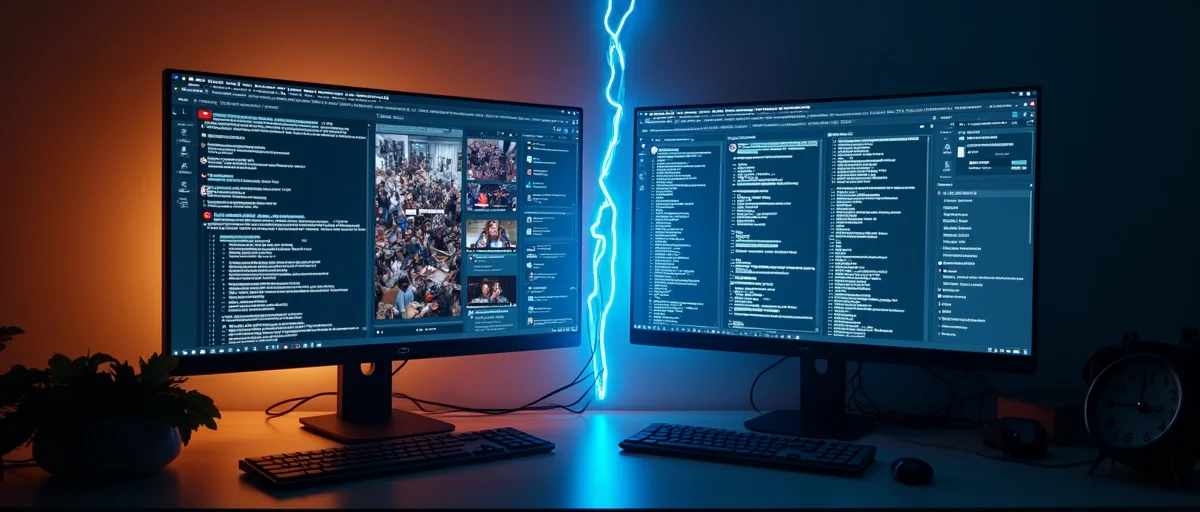
Tasterr connects to your existing media server (Plex or Jellyfin) and reads what you and your users have watched. It takes this history and cross-references it with TMDB’s vast metadata graph of genres, directors, actors, and keywords. By analyzing this data, Tasterr builds a Taste Profile for every user.
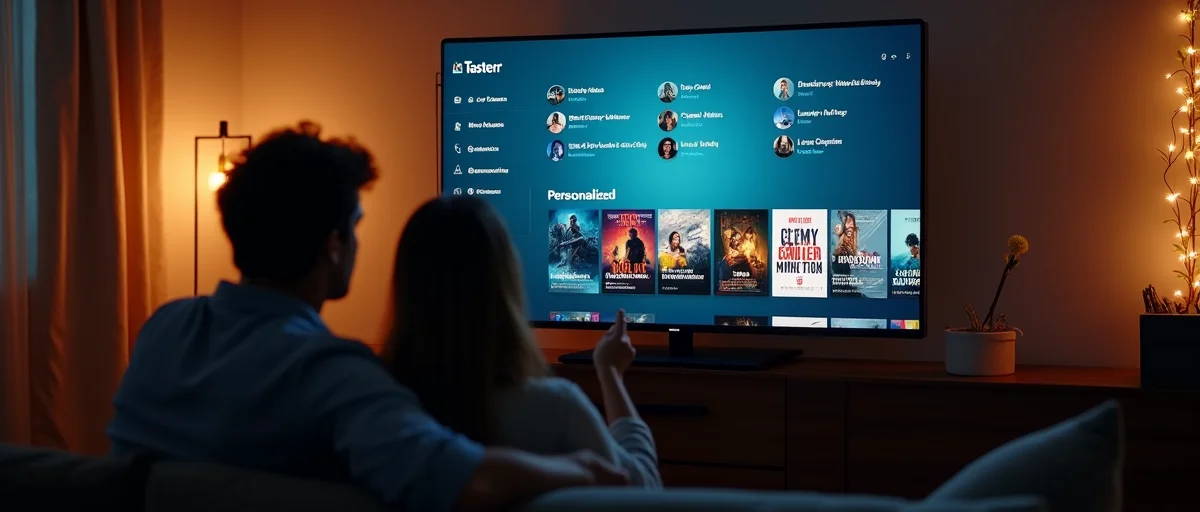
This profile is the backbone of personalization. Instead of browsing generic categories, users see a dynamic home screen populated with recommendations uniquely tailored to them. It highlights forgotten gems in your library and suggests new content you should acquire next.
The demand for this type of tool is surging. Research indicates a 40% rise in the adoption of personalized recommendation engines in home media over the last three years. Users are tired of scrolling endlessly through libraries sorted by “Date Added.” They want the “Top Picks for You” row that streaming services perfected. Tasterr directly fills this void, turning a passive collection of files into an active discovery tool.
The self-hosted software market is experiencing a 20% compound annual growth rate (CAGR). With over 25 million active Plex users, the audience for advanced home media tools is larger and more sophisticated than ever.
As consumers jump between streaming services or cut the cord entirely, they reclaim their digital libraries. However, they lose the algorithmic discovery that streaming services provide. Tasterr brings that algorithm home. It allows users to maintain complete data sovereignty while enjoying a modern, personalized browsing experience. Your watch history is your own, processed on your hardware.
Tasterr is built by a developer for developers. The adoption of Python and FastAPI for multimedia backends has grown by 15%. FastAPI offers high performance, automatic OpenAPI documentation, and async capabilities perfect for aggregating data from multiple APIs (TMDB, Plex, Jellyfin).
The frontend is built with React, providing the reactive, fluid interface users expect from modern web applications. For deployment, Tasterr embraces Docker. The 80% of professional developers who rely on Docker can deploy Tasterr with a simple docker-compose.yml file, fitting seamlessly into the established *arr stack (Radarr, Sonarr, Prowlarr).
Tasterr’s value lies in its execution. It combines familiar concepts with unique innovations.
The system goes beyond simple “people who liked X also liked Y.” It builds a nuanced profile for each user based on their specific interactions with the library. It weighs genres, understands directorial preferences, and acknowledges when a user explores outside their usual habits.
This is where Tasterr feels familiar yet advanced. Like Overseerr, users can browse either “New & Popular” or the deep TMDB catalog and request media.
Tasterr doesn’t just show a poster. By integrating deeply with TMDB, it provides a mini-encyclopedia for every title.
This keeps the entire discovery loop inside Tasterr, eliminating the need to search elsewhere for information before deciding to watch or request.
You have a library of 5,000 films. You have seen maybe 1,000. Tasterr analyzes your history and flags the hundreds of unwatched films that perfectly match your taste profile, surfacing them to the top of your recommendations.
Your family shares a single Jellyfin server. Instead of a single “Popular” list, each family member logs into Tasterr and sees their own personalized dashboard. Mom sees period dramas. The kids see animated movies. Dad sees action thrillers.
Running a server for friends requires understanding the audience. Tasterr’s request dashboard shows administrators what the community collectively wants, optimizing storage for titles that will actually get watched.
The trends are undeniable. The self-hosted server adoption rate has increased by 25% over the last five years. As the ecosystem matures, discovery tools will become the primary interface for users.
Tasterr currently targets movie and TV show discovery. Future integrations could extend taste profiles to Audiobookshelf, Komga (comics), or even music servers like Navidrome. The goal is a unified discovery layer for your entire self-hosted life.
The current recommendations are powerful, but local AI models present a huge opportunity. Running a small LLM or a local collaborative filtering model could create incredibly nuanced recommendations, like “mood-based playlists” assembling a watchlist of feel-good movies or edge-of-your-seat thrillers from your library.
Tasterr represents a significant evolution in how we interact with our personal media libraries. It acknowledges that owning your content should not mean sacrificing the joy of intelligent discovery. By thoughtfully combining TMDB’s exhaustive metadata with per-user taste profiles, it delivers a personalized experience that rivals the big streaming platforms—all while keeping your data 100% private.
For developers and power users who have invested in their home media infrastructure, Tasterr is the missing piece of the puzzle. It transforms a static file store into a vibrant, personalized cinema. Visit the ZacharyArthur/tasterr repository on GitHub to explore the codebase, join the community, and take the first step toward truly personalized self-hosted media discovery.
Tasterr is an open-source platform that connects to Plex or Jellyfin and uses TMDB metadata to analyze watch history. It creates per-user taste profiles that transform generic libraries into personalized discovery hubs, helping users find content they'll love without endless scrolling.
Tasterr reads each user's watch history from your media server and cross-references it with TMDB's metadata, including genres, actors, directors, and keywords. By analyzing these patterns, it builds a dynamic taste profile that surfaces relevant content from your library and suggests what to add next.
While both manage media requests, Tasterr focuses on personalized discovery through taste profiles and a tailored home screen, whereas Overseerr is primarily a request and notification tool. Tasterr fills the personalization gap that Overseerr does not address, making it a complementary rather than a direct replacement.
You need a self-hosted media server (Plex or Jellyfin), a TMDB API key for metadata, and a Docker environment or similar setup to run the Tasterr container. Detailed installation instructions are available on the official GitHub repository (ZacharyArthur/tasterr).
Yes, Tasterr can connect to multiple media servers, including both Plex and Jellyfin. This allows it to aggregate watch history across platforms and deliver unified recommendations to users regardless of which server they use for playback.