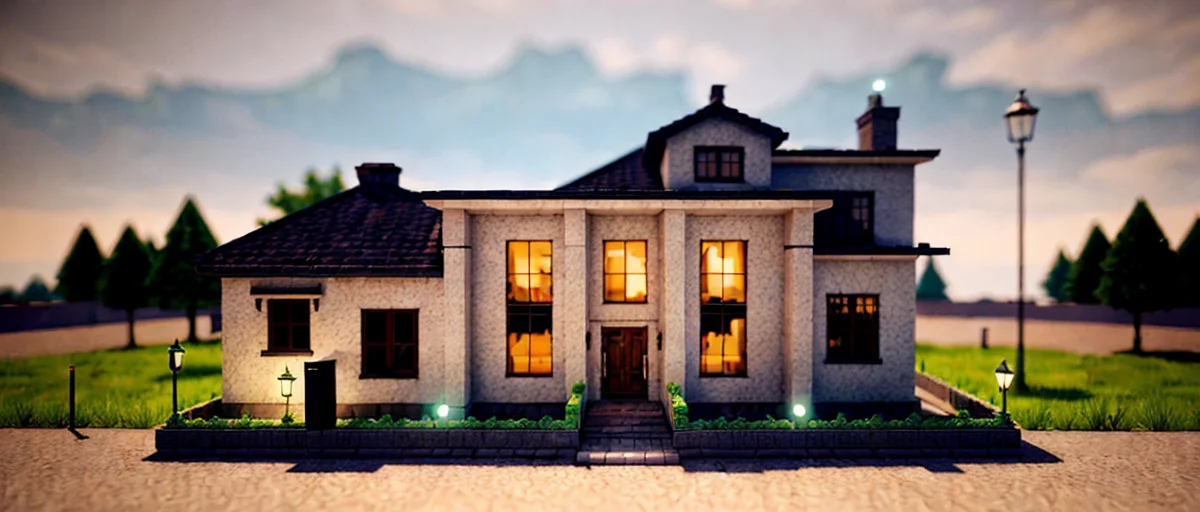
RuneScape's latest update revamps player housing with a flexible build mode and the ability to create neighborhoods with friends. Released on July 18, 2024, these features bring sandbox-level customization to the classic MMO. The update positions RuneScape at the forefront of a growing trend in MMO housing personalization.
RuneScape has been a mainstay of the MMO genre for over two decades, but its housing system had remained largely static. That changed on July 18, 2024, when the developers released a comprehensive update that overhauls player-owned housing. According to a report by Rock Paper Shotgun, the update introduces a flexible build mode that allows for detailed construction, reminiscent of games like The Sims. Additionally, the update introduces the ability to create neighborhoods with friends, turning solo housing into a collaborative experience. For technology professionals, this is a primer in modernizing legacy systems: how to add modern sandbox features without breaking the core game. The RuneScape housing customization revamp is a significant step forward for the game and the genre.
The build mode gives players unprecedented control over their homes. You can place walls, floors, and furniture freely, without being constrained to a grid. Objects can be rotated, resized, and recolored. The system includes undo and redo, making experimentation risk-free. This level of control is rare in MMOs, where housing is often limited to predefined layouts.
Building games have set high expectations for player creativity. RuneScape’s build mode meets these expectations by offering tools that are both powerful and intuitive. It supports advanced features like object elevation and material selection. Whether you want to build a cozy cottage or a sprawling fortress, the tools are there.
The build mode is built on top of the existing player-owned house system. It uses a modular architecture that separates the new building functionality from older code. Each object is a distinct entity, and changes are stored incrementally. This means that the game only sends updates for moved or added objects, keeping network traffic low. The system is optimized for both desktop and mobile platforms, with touch-friendly controls. This cross-platform support is particularly noteworthy for a game that started as a browser app.
To enter build mode, simply visit your player-owned house and click the new Build Mode button. You will see a menu of available items, categorized by type. You can also access blueprints saved by other players. The interface is clean and responsive.
The neighborhood feature transforms housing from a solitary activity to a social one. Players can form a group and create a shared residential area. Each neighborhood can accommodate up to 10 members, each with their own plot. Common areas can be decorated collectively.
To create a neighborhood, you need to be a member of a group. Purchase a neighborhood deed from a housing merchant, and then invite your friends. The system provides a shared instance with room for growth. This design encourages cooperation and provides a sense of community.
Neighborhoods enable new social activities. Friends can host housewarming parties, building contests, or seasonal events. This adds a layer of social engagement beyond combat and questing. For long-time players, it offers a new reason to log in.
Many modern MMOs offer housing, but few provide the flexibility of RuneScape’s neighborhoods. In Final Fantasy XIV, housing plots are finite and require competitive bidding. In New World, housing is instanced but lacks collaborative building. RuneScape’s approach stands out by combining unlimited availability with shared creative control.
Player housing has become a key feature in MMOs over the past few years. Housing customization updates have been on the rise over the last 12 months, and player-generated neighborhoods are gaining traction over the last two years. RuneScape’s update rides this wave, adding depth to a beloved feature.
Today’s players expect meaningful personalization. A house should reflect the player’s achievements and style. RuneScape’s new system delivers on this by offering a vast library of objects and customization options.
With instanced housing and no limit on ownership, RuneScape removes barriers to entry. The new system adds depth without introducing frustration. This positions the game well in a competitive market.
RuneScape’s housing revamp is a case study in how to modernize a feature in a live game. The developers avoided a complete rewrite, instead layering new functionality on top of existing code. This reduced risk and preserved player investments.
RuneScape is available on multiple platforms, including Windows, macOS, Linux, iOS, and Android. The build mode had to work well on both keyboard/mouse and touch interfaces. This required careful UI design and interaction optimization.
Adding real-time building to an MMO is challenging. The team used level-of-detail rendering and occlusion culling to maintain high frame rates. Network synchronization is handled with UDP for fast updates, ensuring smooth collaborative building.
The update was shaped by player feedback. The developers engaged with the community during testing, iterating based on suggestions. This approach increases player satisfaction and buy-in.
This update lays the groundwork for further expansion. Potential additions include interactive furniture, scripting for advanced mechanics, and deeper integration with skills like Construction. The modular architecture makes these additions straightforward.
If successful, RuneScape’s approach could inspire other MMOs. The blend of free-form building and social neighborhoods may become a new standard.
RuneScape’s housing overhaul is a significant achievement. It brings the game’s housing customization up to contemporary standards, while adding unique social features that strengthen community bonds. For technology professionals, it offers valuable insights into legacy system modernization, cross-platform support, and player-driven design. The update is live now, and early reaction suggests it is a hit. RuneScape has taken a bold step forward, and the MMO genre will be watching.
The build mode is a new feature that allows players to freely place, rotate, resize, and recolor objects like walls, floors, and furniture without a grid. It includes undo/redo functionality for risk-free experimentation, similar to sandbox games like The Sims.
To create a neighborhood, you need to own a player-owned house and then invite friends to connect their homes into a shared area. This collaboration turns individual housing into a communal space where you can build and explore together.
Most MMOs restrict housing to predefined layouts and grid-based placement, but RuneScape’s build mode offers complete freedom with no grid constraints. This puts it on par with standalone building games and makes it one of the most flexible housing systems in the genre.
First, ensure your game is updated to the July 18, 2024 version. You also need to own a player-owned house in RuneScape, and some features may require an active membership to unlock the full range of options.
Given the positive reception and the growing trend of MMO housing personalization, it is likely that Jagex will add more furniture items, customization options, and social events for neighborhoods. The update sets a strong foundation for ongoing improvements.